bluename
 How to Care for Pinguicula and Get Rid of Soil Gnats for Good
If you’re like me, the joy of nurturing a beautiful Pinguicula, or butterwort, can be quickly soured by the sight of tiny, dark flies buzzing around its pot. These soil gnats are more than just a nuisance; they threaten the delicate roots of our carnivorous plants and signal an imbalance in our care routine. I’ve been there, watching my prized Pinguicula moranensis suffer while fungus gnat larvae munched on its root system. It’s a frustrating and common pain point for indoor plant enthusiasts. In this guide, I’ll share the exact, battle-tested methods I used to not only get rid of soil gnats but also create an environment where my Pinguicula thrives. This isn’t just theory; it’s a record of my own two-week process of intervention, observation, and ultimate success.
Understanding the Enemy: Why Soil Gnats Love Your Pinguicula
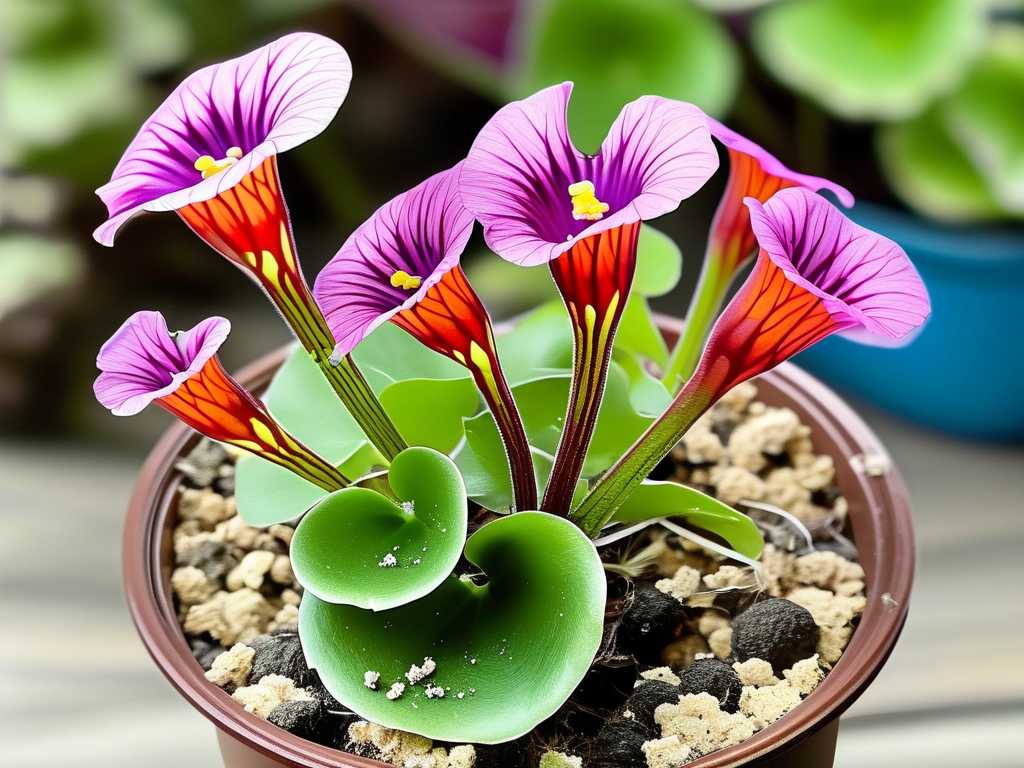
Before we declare war, we need to understand what we’re fighting. Fungus gnats (often called soil gnats) are attracted to moist, organic-rich soil—conditions that, ironically, some Pinguicula species appreciate. The adult flies are harmless but annoying. The real danger lies in the larvae. These tiny, translucent worms live in the top layer of soil, feeding on fungi and organic matter, and they won’t hesitate to snack on tender plant roots, especially in seedlings or stressed plants.
My mistake was using a standard peat-based potting mix that retained too much moisture between waterings. I was keeping the soil consistently damp, thinking I was being attentive, but I was actually hosting a gnat nursery. According to resources from the Carnivorous Plant Society and insights shared by experts in the International Carnivorous Plant Society (ICPS), the key to caring for Pinguicula to prevent pests starts with the growing medium. A soggy, decaying medium is the primary invitation for infestation.
My Two-Week Action Plan to Eradicate Soil Gnats
I decided to tackle the problem holistically, combining immediate physical controls with long-term cultural changes. I marked Day 1 on my calendar and committed to daily observations.
Week 1: The Immediate Counterattack
The first week was about stopping the reproductive cycle and killing existing larvae.
- Step 1: Deploying Yellow Sticky Traps. I inserted bright yellow sticky stakes directly into the soil of all my Pinguicula pots. This was my monitoring system. The goal isn’t to catch every gnat but to trap the adult egg-layers, breaking the life cycle. Within 24 hours, I was shocked—and a bit satisfied—to see dozens of gnats stuck. This gave me immediate visual proof of the scale of the problem.
- Step 2: The Hydrogen Peroxide Soil Drench. This was my weapon against the larvae. I mixed one part 3% hydrogen peroxide with four parts water. Before watering, I let the soil surface of my Pinguicula dry slightly (a nerve-wracking step for a plant lover!). Then, I thoroughly drenched the soil with this solution until it freely drained from the bottom. The chemical reaction creates oxygen and kills larvae on contact. I heard a faint fizzing—a sign it was working. Crucial Note: I only did this once, at the beginning of the week. Overuse can harm beneficial soil microbes.
- Step 3: Letting the Soil Surface Dry. After the peroxide drench, I changed my watering habit completely. Instead of top-watering, I switched to the “tray method” for my moisture-loving Pinguicula moranensis. I placed the pot in a shallow tray of distilled water and let it wick up moisture from the bottom. This kept the roots happy while allowing the crucial top inch of soil to become dry and inhospitable to gnat eggs. For my xeric Pinguicula gypsicola, this was even easier, as it prefers drier conditions anyway.
The First Week’s Observations and a Hiccup
By Day 3, the sticky traps were filling up, but I still saw a few live adults. This was expected, as new adults were still emerging. The peroxide drench seemed effective; I noticed no more larvae when I gently scraped the soil surface. However, I faced a problem: one of my younger Pinguiculas looked slightly wilted after the soil drench. I worried I had been too aggressive.
My Solution: I realized that the young plant was in a denser, peat-heavy mix that didn’t drain well enough. The peroxide might have lingered too long. I immediately repotted it into a grittier mix (more on that below) and placed it in a humidity dome for a couple of days to recover. It bounced back quickly. The lesson learned: always consider the plant’s age and specific soil composition before applying treatments.
Week 2: The Long-Term Defense Strategy
Week two focused on making my Pinguicula’s home permanently gnat-proof.
- Step 4: Repotting with a Hostile (to Gnats) Medium. I repotted most of my collection. I abandoned the dense peat moss and adopted a mix recommended by veteran growers: a 50:50 blend of silica sand and peat moss, with a top dressing of pure horticultural sand or fine pumice. This mix is excellent for Pinguicula Care—it drains rapidly, stays airy, and provides minimal organic material for gnats to exploit. The dry, inorganic top dressing acts as a physical barrier.
- Step 5: Introducing Beneficial Nematodes. For the pots I didn’t repot immediately, I used a biological control. I ordered Steinernema feltiae nematodes, microscopic worms that are natural, lethal parasites to fungus gnat larvae. I mixed them with water and applied it to the soil as a drench. These nematodes seek out and kill larvae in the soil. They are completely safe for plants, pets, and humans. This is a method often highlighted in integrated pest management (IPM) guides for its effectiveness and environmental safety.
- Step 6: Rigorous Maintenance. I continued with bottom-watering only. I kept the sticky traps up to catch any stragglers. I became vigilant about removing any dead leaves or plant debris from the soil surface immediately, eliminating potential food sources.
The Results After Two Weeks
By the end of Day 14, the difference was dramatic. The yellow sticky traps caught only one or two new gnats over the final three days—a drastic reduction from the dozens at the start. Most importantly, there was no visible emergence of new flies. My Pinguicula plants, now in their gritty new mix, showed signs of improved health. The Pinguicula moranensis produced a new, sticky leaf with vibrant color, a clear sign it was no longer stressed and was happily catching its own food. The soil surface was dry and clean. The war was won, and a sustainable peace established.
Optimizing Your Pinguicula Care to Prevent Future Infestations
Getting rid of the gnats is half the battle; keeping them away is where your Pinguicula plant care routine becomes crucial. Here’s what is now non-negotiable in my practice:
- The Right Pot and Soil Mix: Always use pots with excellent drainage holes. The fast-draining, low-organic mix is your best long-term defense. It aligns perfectly with the needs of many Pinguicula species, mimicking their natural, often mineral-based habitats.
- Watering Wisdom: Use only distilled, rainwater, or reverse osmosis water. Bottom-watering is your friend for tropical Pinguicula. Allow the water in the tray to be absorbed and the tray to dry out before refilling. This practice ensures constant moisture at the root zone where it’s needed while keeping the surface dry.
- Quarantine and Inspect: Any new plant coming into my home now spends at least two weeks in isolation. I inspect it thoroughly and even preemptively add a sticky trap to its pot to catch any hidden pests before they join the main collection.
Common Questions from Fellow Pinguicula Growers
- Can I use insecticidal soap or neem oil on my Pinguicula? I advise extreme caution. The sticky, delicate leaves of Pinguicula are highly sensitive. These products can clog the mucilage (the sticky dew) and damage the leaves, hindering the plant’s ability to catch food. I tried a diluted neem oil spray early on and it left residue on the leaves. Physical and cultural controls are far safer and more effective for both the gnats and your plant.
- Will the gnats harm my Pinguicula’s leaves? The adults don’t harm the leaves; in fact, they become food! The plant’s sticky leaves are excellent at trapping the adult gnats. The real threat is entirely underground from the larvae. A healthy Pinguicula can even benefit from the adult gnats as a nutrient source, but only if the root system is safe from their young.
- How often should I feed my Pinguicula if it’s catching gnats? If your plant is successfully trapping adult gnats on its own, you rarely need to supplementally feed it. The whole point of growing butterwort plants is that they are self-sufficient hunters. The insects they catch provide all the supplemental nutrients they need. Overfeeding can actually harm them. Focus on providing plenty of light and the correct water, and let them handle the pest control on the foliage side.
Dealing with soil gnats in my Pinguicula collection was a profound learning experience. It pushed me from a reactive plant owner to a proactive grower who understands the ecosystem in the pot. The combination of immediate action—sticky traps and a targeted peroxide drench—followed by the fundamental changes in my potting medium and watering routine, created a lasting solution. My plants are not just gnat-free; they are visibly happier and more robust. Remember, the health of your carnivorous plants is deeply tied to the health of their soil. By creating an environment where your Pinguicula thrives, you automatically create one where soil gnats cannot.