 bluename
 Why Pinguicula Leaf Spots Appear After Pest Bites
I still remember staring at my first Pinguicula after a fungus gnat outbreak, watching translucent brown spots spread across leaves that had been perfectly healthy just days before. If you're here, you've probably seen the same thing: tiny dark marks appearing right where pests were chewing on your butterwort. Here's the short answer — Pinguicula leaf spots appear after pest bites because the wound creates an entry point for bacteria and fungi, and the plant's own digestive enzymes can backfire on damaged tissue. In other words, the bite itself isn't usually the killer. The infection that follows is.
I've grown butterworts for years now, killed my fair share, and learned most of this the hard way. So let's walk through it properly.
What Makes Pinguicula So Special (And So Vulnerable)
Pinguicula, commonly called butterwort, is a carnivorous plant that catches small insects with sticky glands on its leaves. That's the fun part. The tricky part is that those same leaves are thin, soft, and surprisingly delicate.
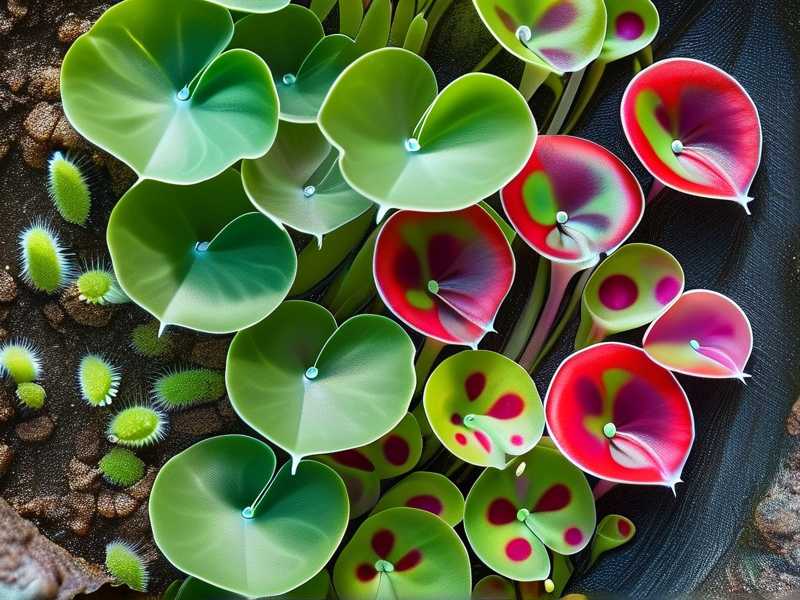
They're not hard to grow once you understand them, but they punish mistakes fast. Compared to Venus flytraps or pitcher plants, butterworts are more forgiving in some ways. In others, they're way less forgiving.
I've found they're perfect for windowsill growing, especially in kitchens where fungus gnats love to hang out. But that same environment that attracts pests also invites the problems we're talking about.
Why Pest Bites Turn Into Spots: The Real Mechanism
Let me break this down without the science lecture version.
When a pest bites or chews a Pinguicula leaf, it breaks the leaf surface. That wound oozes moisture. Fungal spores and bacteria land on that moisture and set up shop. Within 24 to 48 hours, you'll see a small dark spot.
Here's the twist most people miss. Pinguicula leaves produce digestive enzymes to break down prey. When the leaf is damaged, those enzymes can leak into healthy tissue and start digesting the plant's own leaf. It's like the plant turning on itself.
I once pulled a leaf off a Pinguicula 'Weser' thinking a spot was just cosmetic. Under a magnifier, the tissue around the bite was completely mushy. That wasn't the pest's doing — that was enzyme damage.
So the spots are really a two-part problem: physical damage plus secondary infection or self-digestion.
The Pests That Cause the Most Damage
Not all pests trigger this equally. From my experience, these are the main culprits:
- Fungus gnats — the larvae chew on leaf edges and roots. This is the number one cause I see.
- Thrips — they scrape leaf surfaces and leave silvery streaks that turn brown.
- Aphids — they cluster on new growth and pierce tissue repeatedly.
- Mealybugs — they don't bite much, but the honeydew they leave feeds sooty mold, which looks like dark spots.
The Royal Horticultural Society (RHS) notes that sap-sucking insects create wounds that are prime entry points for secondary pathogens. That matches everything I've observed at home.
My 2-Week Observation: Watching Spots Develop
I want to share something real here. Last spring, I had a Pinguicula moranensis that got hit with thrips. I decided to document it instead of panicking.
Days 1–3: Tiny silver scratches on the leaves. No spots yet.
Days 4–7: Brown dots appeared exactly where the scratches were. Each dot was about the size of a pinhead.
Days 8–10: The dots merged into larger blotches. Two leaves started curling at the edges.
Days 11–14: I removed the two worst leaves, treated with a diluted neem spray, and boosted airflow. New leaves came in clean. The spots stopped spreading.
That two-week window taught me something important: if you catch it early, you can stop it. If you wait, the whole plant can decline in under a month.
Light: Getting This Wrong Makes Everything Worse
I'll be honest. My first butterwort sat in bright direct afternoon sun for a week. The leaves turned reddish and crispy, and every tiny pest wound scarred up worse than it should have.
The sweet spot is bright, indirect light. A south or east-facing windowsill with a sheer curtain works great. If you're in Australia or the southern US, you'll want to pull it back from the window during summer.
Too little light makes Pinguicula weak and stretched out. Weak plants heal slower and attract more pests. Too much light burns the leaf surface and turns minor bites into major scars.
If you're not sure, aim for 12 hours of gentle light. I use a cheap LED grow light on cloudy weeks and it's made a real difference.
Watering: The Make-or-Break Skill
Here's the part where I need to be blunt. 90% of indoor plants die from overwatering. Pinguicula is no exception, and honestly it's worse because wet leaves rot fast.
Butterworts love moisture but hate sitting wet. I use the tray method: a shallow saucer with about half an inch of water, allowed to dry out for a day or two before refilling.
Use distilled water or rainwater only. Tap water leaves mineral deposits that weaken leaves and make them more prone to spotting.
Never pour water directly over the leaves if you can help it. Wet leaf surfaces plus existing bites equals fungal party. I learned this after losing a beautiful P. gigantea to what I thought was "just watering."
If you do splash the leaves, gently blot them with a paper towel. Sounds fussy, but it works.
Soil and Repotting
Pinguicula wants a lean, airy mix. My go-to recipe is equal parts peat moss, perlite, and coarse sand. Some growers swap peat for coco coir, which works too.
Avoid regular potting soil. It holds too much water and too many nutrients. Butterworts are sensitive to fertilizer in the root zone.
For pots, I use shallow plastic or glazed ceramic with drainage holes. Terracotta dries out too fast in dry climates and stays wet too long in humid ones. It's unpredictable.
Repot every 1 to 2 years, ideally in early spring. If the plant looks crowded or the soil smells sour, don't wait.
The American Horticultural Society (AHS) recommends repotting carnivorous plants when growth slows or media breaks down. I've followed that rule for years and it hasn't steered me wrong.
Fertilizing: Less Is Genuinely More
I don't fertilize my Pinguicula often. Maybe once a month during active growth, and only at quarter strength.
Use a balanced liquid fertilizer made for carnivorous plants, or a diluted orchid feed. Apply it to the soil, never the leaves.
Never fertilize these situations:
- During winter dormancy
- Right after repotting
- When the plant is fighting pests or spots
- If the leaves look burned or mushy
Feeding your plant insects does most of the nutritional work anyway. Fertilizer is backup, not the main course.
Seasonal Care: What Changes and When
Spring: Wake-Up Time
Spring is when Pinguicula bounces back. New leaves unfurl, and this is your best window for fixing problems.
I remove any spotted or dead leaves now. I check roots during repotting. I start light fertilizing and move the plant to its brightest safe spot.
Trim any flower stalks if you want bigger leaves. I usually let one or two bloom because the flowers are gorgeous.
Summer: Heat and Humidity Control
Summer is peak pest season. Fungus gnats, thrips, and aphids all show up.
Water more consistently but never let the tray stay full for days. Increase airflow with a small fan if you're growing indoors.
If temperatures climb above 85°F (29°C), move the plant away from windows. Heat stress makes every bite worse.
Check leaves weekly. I do a quick scan every Sunday morning with a magnifying glass. Takes two minutes and saves plants.
Fall: Slow Down Gradually
Growth slows in fall. I reduce fertilizing to once every six weeks. Watering stays steady but I let the tray dry longer between fills.
This is also when I clean up old leaves and inspect for any lingering pests before winter.
Winter: Rest and Protect
Most Pinguicula species go semi-dormant in winter. They form tight rosettes with smaller, non-carnivorous leaves.
Stop fertilizing completely. Water sparingly, just enough to keep the soil from bone dry.
Keep temps between 55–65°F (13–18°C) if possible. Avoid cold drafts and windowsills that freeze at night.
If you're in Canada or the northern US, indoor winter care is basically mandatory. I've never had luck leaving butterworts outside past October.
Three Beginner Mistakes That Kill Pinguicula
I've made all three. Here they are so you don't have to.
1. Overwatering. Soggy soil rots roots in days. Spots appear faster because the plant can't defend itself. Let the tray dry between refills.
2. Wrong light. Too much sun burns leaves. Too little makes them weak. Both invite spots. Bright indirect is the answer.
3. Wrong pot. Using a deep pot with no drainage is a death sentence. Shallow, well-draining containers only.
Common Pests and Problems: Quick Fixes
- Fungus gnats: Let soil dry slightly, use yellow sticky traps, top-dress with sand.
- Thrips: Neem oil spray, isolate the plant, repeat weekly for three weeks.
- Aphids: Blast with water or use insecticidal soap. Check undersides of leaves.
- Yellow leaves: Usually overwatering or too little light. Check both.
- Root rot: Smells sour. Repot immediately, trim mushy roots, use fresh media.
- Brown spots after bites: Remove affected leaves, improve airflow, treat pests.
FAQ
Can Pinguicula recover from leaf spots? Yes, if caught early. Remove damaged leaves, fix the underlying pest issue, and new growth usually comes in clean within a few weeks.
Should I cut off spotted leaves? If the spot is spreading or the leaf is mushy, yes. If it's a tiny dry mark, you can leave it until it naturally fades.
What's the fastest way to stop spots from spreading? Isolate the plant, remove affected leaves, treat pests, and increase airflow. That combo works faster than any single product.
Pinguicula leaf spots aren't a mystery once you know what's happening. Pest bites open the door. Infection and enzyme damage walk through it. Fix the pests, manage water and light properly, and your butterwort will reward you with sticky, healthy leaves for years. I've learned this the slow way so you don't have to.





