 bluename
 How to Care for Pinguicula: Watering From Top vs Bottom
If you're like me, the moment you brought your first Pinguicula, or butterwort, home, a wave of conflicting advice about watering followed. Top watering seemed straightforward, but whispers of root rot made me nervous. Bottom watering was touted as the safer bet, but would it truly quench my plant's thirst? I found myself stuck, worried that my chosen method might be the very thing harming my fascinating carnivorous companion. The core dilemma for any butterwort enthusiast is understanding which watering technique fosters vibrant health and which might lead to a slow, soggy decline.
After months of uncertainty, I decided to settle the debate for myself. I embarked on a hands-on, two-week experiment with two identical, healthy Pinguicula moranensis plants to directly compare top watering versus bottom watering. What I discovered wasn't just about moisture; it was about the fundamental relationship between water, soil, and the delicate roots of these unique plants.
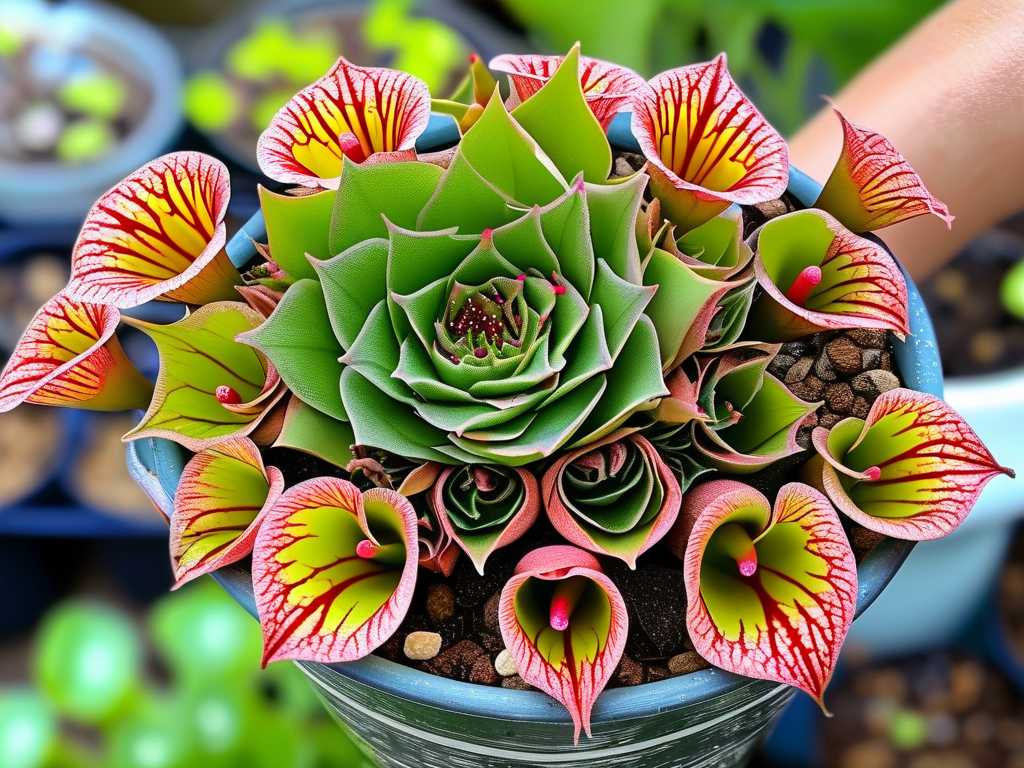
My Personal Experiment: A Two-Week Side-by-Side Journey
To ensure fairness, I used two sibling plants from the same nursery, potted in an identical mix of 50% perlite and 50% peat moss—a standard, well-draining medium for butterworts. Both were placed on the same bright windowsill with indirect light. The only variable was their drink.
For the top-watering Pinguicula, my protocol was simple. Once the surface of the soil felt just dry to the touch, I would gently pour distilled or rainwater around the base of the plant, avoiding the crown, until it began to drain freely from the pot's holes. I’d let it sit in the drained water for no more than 10 minutes before emptying the saucer completely.
For the bottom-watering butterwort, I used a shallow tray. When the pot felt light, I placed it in about half an inch of distilled water and left it for 20-30 minutes, allowing the substrate to wick moisture upward until the surface looked slightly damp. Then, I’d remove the pot from the tray and let any excess drain away before returning it to its spot.
The First Week: Observations and Early Surprises
Within the first few days, a visual difference emerged. The top-watered plant’s soil surface showed more pronounced wet-dry cycles, which seemed to encourage slightly more dew production on its sticky, carnivorous leaves—a sign of a happy butterwort. However, I noticed a potential issue with top watering: a slight compaction of the soil surface over time, and I had to be extra vigilant to avoid water pooling in the center rosette, a known invitation for crown rot.
The bottom-watered plant, in contrast, exhibited remarkably even soil moisture. The surface remained uniformly damp without being soggy. The plant appeared consistently plump and hydrated. This method felt incredibly forgiving, aligning with the benefits of bottom watering for Pinguicula that many experts cite, primarily the promotion of robust root growth as roots stretch downward seeking moisture. The Royal Horticultural Society (RHS) notes that bottom watering can help prevent fungus gnats and ensures the entire root ball is evenly saturated, which is crucial for plants prone to drying out in porous mixes.
The Second Week: Lessons from a Near-Mistake
Midway through the second week, I almost fell into a common trap with the bottom-watering pot. Because the surface never looked truly dry, I nearly skipped a watering session on schedule. Lifting the pot revealed it was much lighter than it looked—a critical reminder. Bottom watering requires you to trust the weight of the pot, not the surface appearance. This is a key difference between watering from top and bottom: top watering gives you a clear surface cue, while bottom watering demands a more hands-on check of pot heft.
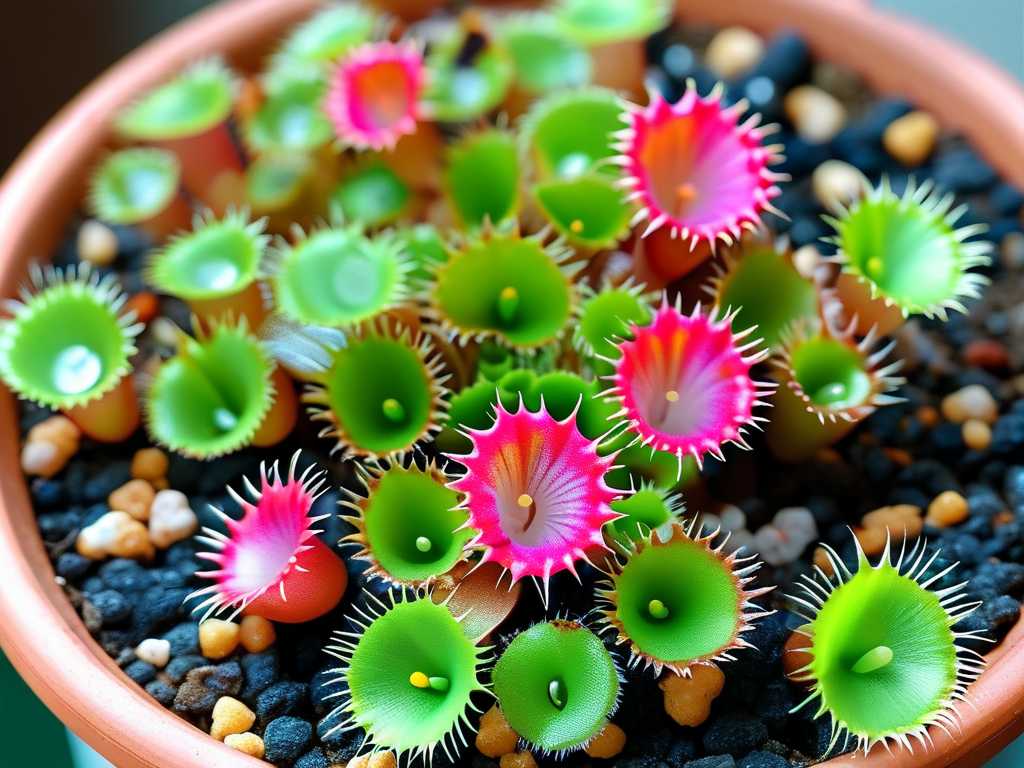
Conversely, with the top-watered plant, I had a minor scare with over-enthusiasm. One watering was too hasty, and water splashed onto the leaves, lingering in the leaf axils. I quickly used a paper towel to gently blot the moisture away, averting potential rot. It reinforced the need for a slow, targeted pour.
The Verdict: Which Watering Method Truly Wins?
After 14 days of meticulous observation, here is my practical conclusion, shaped by direct experience:
Neither method is universally "better." The best way to water Pinguicula is to choose a method based on your specific conditions and potting mix, and then apply it correctly.
Top watering is excellent for:
- Flushing minerals: It helps wash out any accumulated salts from fertilizers (used sparingly on non-carnivorous varieties) or tap water residues from the soil, a point often emphasized by the Carnivorous Plant Society of North America.
- Encouraging surface dew: The wet-dry cycle seems to stimulate the plant's carnivorous functions.
- Preventing overwatering in Pinguicula: The clear visual and tactile cue of a dry surface is a great safeguard against over-saturation, provided you have a well-draining mix.
Bottom watering is ideal for:
- Ensuring even saturation: It guarantees the entire root mass gets water, eliminating dry pockets in peat-heavy mixes.
- Protecting the crown: By keeping the plant's base dry, it virtually eliminates the risk of crown rot.
- Promoting deeper roots: It encourages roots to grow downward, creating a sturdier plant.
My hybrid approach, which I follow now, borrows from both. I primarily bottom-water my butterworts every 7-10 days (depending on season and humidity) to ensure perfect root hydration. Then, once a month, I use the top-watering method to thoroughly flush the soil. This combines the safety of bottom watering with the cleansing benefit of top watering.
I’m scared of root rot. Is bottom watering always safer? While bottom watering minimizes crown rot risk, it does not eliminate root rot danger. If the pot is left in water for too long or the soil mix is not airy enough, roots can still suffocate. The key is duration—soak only until the surface is moist, then drain thoroughly. A gritty, well-draining soil is non-negotiable for either method.
Can I use tap water for my Pinguicula? I strongly advise against it. Butterworts are extremely sensitive to minerals and chemicals. Using distilled water, rainwater, or reverse osmosis water was the single most important care tip I ever followed. Tap water, even if left to sit, can lead to mineral buildup that slowly poisons the plant.
How do I know when to water, regardless of method? The "taco test" is a reliable friend. Gently try to fold a lower leaf. If it folds easily like a taco, it's thirsty. If it’s firm and resists, it has enough water. Combining this with the pot’s weight check is your most accurate guide. During growth periods, they’ll drink more; in winter, during their succulent phase, water needs drop dramatically.
Caring for Pinguicula is a dialogue with the plant. My two-week experiment taught me that watering is less about rigid rules and more about understanding principles. Whether you choose to water from the top or bottom, success lies in observing your plant’s response, using the right water, and ensuring a breathable home for its roots. Start with a consistent method, watch for the plumpness of the leaves and the glistening of its dew, and adjust from there. Your butterwort will show its gratitude through vigorous growth and captivating, insect-trapping beauty.





