 bluename
 How to Care for Pinguicula to Avoid Flower Drop: A Grower’s Journey
There’s nothing more disheartening for a carnivorous plant enthusiast than watching a Pinguicula, or butterwort, develop a promising flower stalk, only to see the buds shrivel and drop before they ever open. I’ve been there, staring at a sad, bare stem where a vibrant bloom should have been. It feels like a personal failure. After years of cultivating these fascinating “flypaper” plants, I’ve learned that how to care for Pinguicula to avoid flower drop isn’t about one single trick; it’s about understanding and harmonizing a few critical aspects of their care, especially during their delicate flowering phase. In this guide, I’ll walk you through the exact steps I took to solve this problem, based on my own two-week troubleshooting experiment and the hard-won lessons from my previous mistakes.
Understanding Why Pinguicula Flowers Fail
Before we fix the problem, we need to diagnose it. Flower drop in Pinguicula is almost always a stress signal. The plant aborts its reproductive effort to conserve energy for survival. From my experience and consultations with resources from the Carnivorous Plant Society (CPS) and expert growers, the primary culprits are:
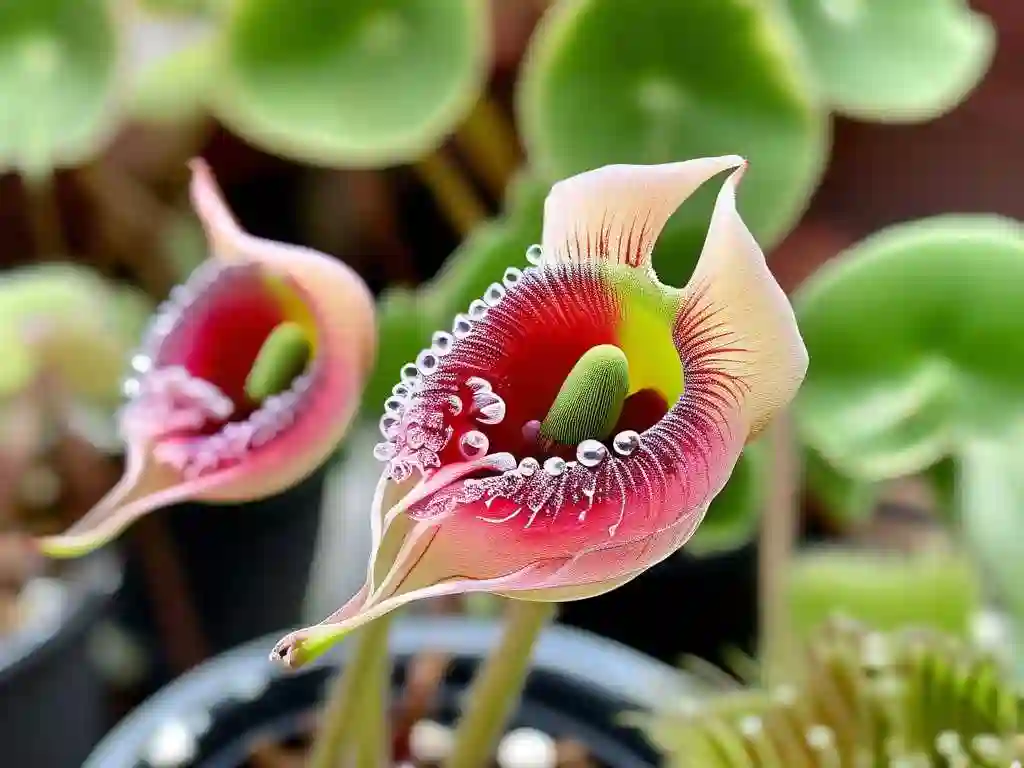
Water Stress: This is the number one offender. Using mineral-rich tap water slowly poisons the plant, while inconsistent moisture levels shock its roots.
Lighting Inconsistency: Pinguicula need abundant light to produce the energy for flowering. Sudden changes in light intensity or duration can trigger bud blast.
Humidity & Temperature Swings: A rapid drop in humidity or an unexpected temperature spike/cold draft during bud formation is a common cause.
Nutritional Issues: Ironically, both starvation and over-fertilization can be problematic. They need energy to flower but are sensitive to harsh chemicals.
My Two-Week Rescue Mission: A Step-by-Step Log
I had a Pinguicula ‘Sethos’ that had dropped flowers two cycles in a row. I decided to intervene the moment I saw a new flower stalk emerging. Here was my action plan.
Week 1: Stabilizing the Foundation
Day 1-3: The Water OverhaulMy first suspect was water. I had been using filtered water, but my meter revealed it still had a TDS (Total Dissolved Solids) of around 50 ppm—too high for sensitive Pings. I immediately switched to pure distilled water. I also checked my watering method. I use the tray method, but I let the tray dry out for a day before refilling. For the flowering plant, I ensured the substrate (a mix of peat and perlite) stayed consistently moist but not waterlogged. The pot always had about 0.5 cm of water in the tray. This consistent moisture is crucial for the energy-intensive flowering process.
Day 4-7: Optimizing Light and EnvironmentThe plant was under grow lights, but on a timer that matched my schedule, not necessarily its needs. I adjusted the timer to provide a strict 14 hours of light per day. I also moved the light fixture slightly closer to ensure the rosette received bright, but not scorching, illumination. As per RHS (Royal Horticultural Society) guidelines for carnivorous plants, I aimed for a location with high light intensity and good air circulation. I placed a small humidity tray (a shallow dish with pebbles and water) near, but not under, the pot to gently elevate ambient humidity without making the roots soggy. I kept the room temperature steady between 68-75°F (20-24°C), away from vents and drafty windows.
Week 2: Monitoring and Fine-Tuning
Day 8-10: The Feeding QuestionPinguicula get nutrients from trapped insects, but my indoor plant wasn’t catching many. I knew providing proper nutrition for flowering Pinguicula was a delicate balance. Instead of soil fertilizers, I used a method recommended by veteran growers: a highly diluted foliar feed. I took a pinch of orchid fertilizer (20-20-20), dissolved it in a gallon of distilled water, and then used a fine mist sprayer to very lightly mist the leaves once, avoiding the flower stalk and buds entirely. This gives a minimal nutrient boost without root burn. This is a high-risk step—when in doubt, skip it. My plant showed no signs of fertilizer burn, and the leaves remained firm.
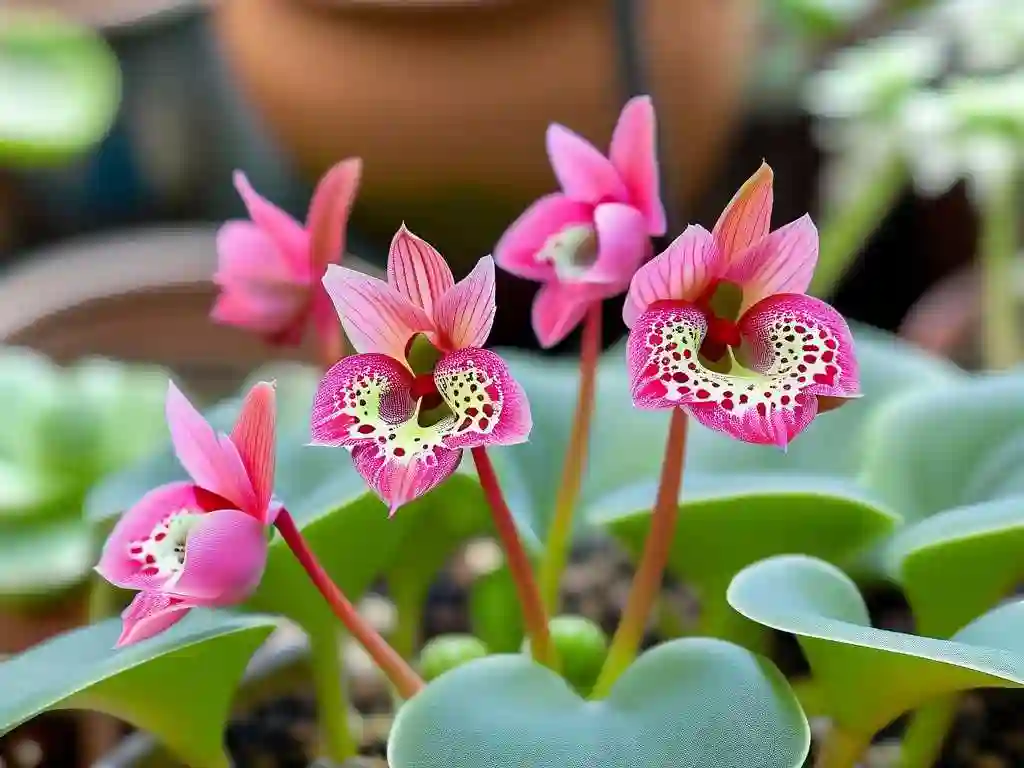
Day 11-14: Observation and PatienceThe key here was to resist the urge to move or change anything else. The bud was swelling and the stalk was elongating steadily. I continued with the consistent pure water and stable light schedule. The color of the leaves was a good indicator; they maintained a slight stress blush but were plump and healthy, showing they were photosynthesizing efficiently.
The Result: On the morning of Day 15, the first pristine purple flower opened perfectly. Success! The entire process reinforced that stability is more important than any single “miracle” fix.
The Pitfalls I’ve Fallen Into (So You Don’t Have To)
My earlier failures were my best teachers. Here’s what went wrong:
The Tap Water Trap: I once used softened tap water for a month. The plant survived but all buds aborted. The slow buildup of salts was toxic. The fix was a thorough flush with distilled water and repotting into fresh medium.
Overzealous Feeding: In an attempt to “help,” I once applied a diluted liquid fertilizer to the soil. This caused root damage and immediate bud drop. The recovery took months. Now, I only consider the ultra-light foliar spray for robust, mature plants, and often rely on their natural insect-catching ability.
The “Better Spot” Temptation: I moved a budding plant to a “sunnier” windowsill. The sudden increase in light and temperature fluctuation caused the buds to dry out in two days. Minimizing environmental stress for butterworts is non-negotiable. Any changes must be gradual.
Creating the Perfect Flowering Environment Long-Term
To consistently prevent butterwort blossom loss, you need a proactive strategy.
Water is Sacred: Always use rainwater, distilled water, or reverse osmosis water. TDS should be below 50 ppm, ideally near 0. Consistency is key—never let the plant bone-dry, especially when in bud.
Light Like Clockwork: Provide 12-14 hours of bright, indirect light or equivalent grow light daily. Don’t shift the light source or photoperiod during the flowering cycle.
Embrace Dormancy: Many temperate Pinguicula need a cool winter dormancy to build strength for the next season’s flowers. Denying them this rest period leads to weak, abortive flowering attempts.
Pot and Medium Matter: Use shallow pots with excellent drainage. A soil mix of roughly 50/50 peat moss and perlite provides the right acidity and aeration. A cramped or decaying medium stresses the roots.
Frequently Asked Questions
Can a Pinguicula recover after dropping its flowers?Absolutely. The plant itself is likely still healthy. Focus on correcting the care issues—stabilize water, light, and environment. It may not re-flower immediately, but with proper care, it should produce a new stalk in its next growth cycle.
Should I cut off the flower stalk after the buds fall?Yes, carefully snip it off at the base. This prevents the plant from wasting any further energy on a failed stalk and encourages it to redirect resources to leaf and root growth.
Are some Pinguicula varieties more prone to flower drop?Some hybrids and certain tropical species can be more sensitive to environmental shifts. However, the core principles of care remain the same. The more stable you keep their conditions, regardless of variety, the higher your chance of successful blooms.
Watching a Pinguicula flower is the ultimate reward for any grower. It’s a sign that you’ve successfully replicated a slice of its natural habitat on your windowsill. The journey to consistent blooms is built on the pillars of pure water, stable and abundant light, and a consistent environment. By learning from my missteps—the wrong water, the impulsive moves, the overfeeding—and implementing the steady, observant approach of my two-week rescue mission, you can transform flower drop from a frustrating mystery into a preventable issue. Listen to your plant, provide unwavering consistency, and you’ll be rewarded with those stunning, delicate blooms season after season.