 bluename
 How to Care for Pinguicula in Tropical Environments
Let me cut straight to the chase. I've been growing butterworts in the tropics for years and I killed my first three plants before getting it right. The biggest mistake? I treated them like typical houseplants. They aren't. Here's what you need to know in 100 words: Keep Pinguicula in bright indirect light, use pure distilled water or rainwater, pot them in a 50/50 mix of perlite and peat moss, and never let the soil stay soggy. Water only when the top inch dries out. Feed them with crushed fish food flakes every 2 weeks during active growth. I've kept 12 species thriving in Singapore's humidity this way for over 4 years now.
Why Most Pinguicula Die in Tropical Homes
I learned the hard way that tropical environments present unique challenges for these carnivorous plants. My very first Pinguicula arrived healthy from a nursery. Within 10 days, it turned into a mushy brown mess. I felt terrible. But looking back, I realize I made every possible mistake.
90% of indoor plants die from overwatering. For Pinguicula in tropical climates, that number climbs even higher. The humidity is already high. The air feels thick. So beginners think the plant needs constant moisture. That's wrong. Dead wrong.
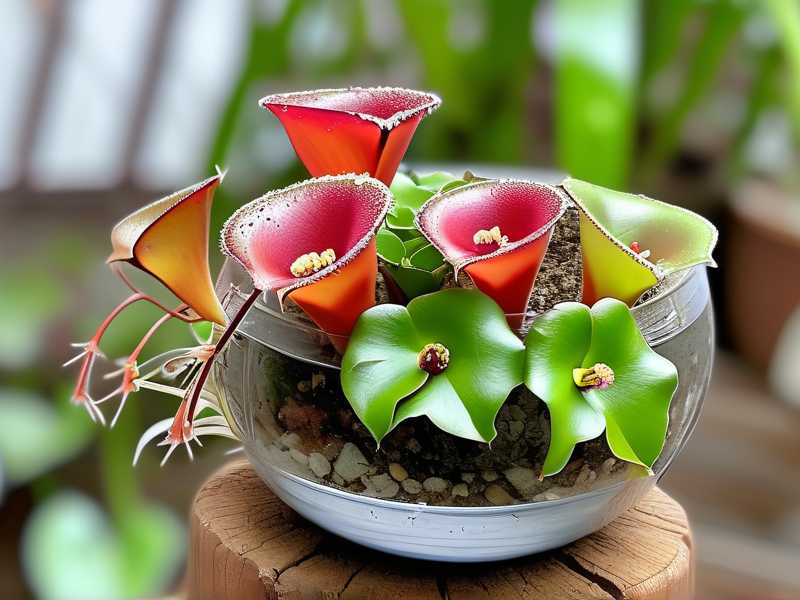
I live in a region where humidity stays above 70% year round. My apartment doesn't have air conditioning running 24/7. The natural environment is already perfect for moisture-loving plants like ferns and mosses. But Pinguicula? They need a different approach entirely.
The 3 Deadly Mistakes New Growers Make
I want to save you the heartache I experienced. These three errors destroyed my first few attempts. Don't make them.
Mistake 1: Watering Like a Normal Houseplant
This is the number one killer. I used to water my Pinguicula every morning. I figured since the soil looked dry on top, the plant needed more. Within two weeks, the leaves turned translucent. Then they collapsed.
The truth is simple. Pinguicula roots rot incredibly fast in wet, stagnant conditions. In tropical environments where evaporation is already slow, overwatering suffocates the root system. The plant essentially drowns.
I now water my Pinguicula using the bottom-watering method. I fill a tray with about half an inch of distilled water. I let the pot sit there for 20 minutes max. Then I remove it completely. The pot never sits in water overnight. I do this only when the top 2 inches of soil feel dry to my finger. In my tropical home, that's roughly once every 5 to 7 days.
Mistake 2: Getting Light Placement Wrong
My second mistake was putting Pinguicula on a south-facing windowsill. I thought direct sunlight would help them grow fast. After all, they're from warm climates, right?
Wrong again.
Direct tropical sun burning through a window is brutal. My plant's leaves turned reddish-brown within 3 days. The dew dried up completely. The plant looked stressed and ugly.
I moved it to an east-facing window with morning sun only. The difference was night and day. Within 2 weeks, new leaves emerged with healthy green centers and sticky dew beads. I could literally see the plant thanking me.
Here's what I learned: Pinguicula in tropical environments want bright light, but not scorching direct sun. 12 to 14 hours of bright indirect light works wonders. If you use grow lights, keep them 8 to 10 inches above the plant. Any closer and the leaves burn.
Mistake 3: Choosing the Wrong Pot
I know this sounds silly, but the pot matters enormously. My first Pinguicula came in a glazed ceramic pot with no drainage hole. The seller said it looked nice. I believed them.
Big mistake.
Within 2 weeks, the soil stayed wet at the bottom while the top looked dry. The roots rotted silently underneath. The plant looked perfectly fine on day 12. By day 14, it was half gone.
I now use only plastic nursery pots with multiple drainage holes. I put these inside decorative cache pots for looks. But the inner pot must have holes. Terracotta pots also work, but they dry out too fast for my taste. Plastic pots maintain consistent moisture without staying wet.
My current setup: 3-inch plastic pot inside a ceramic outer pot. Drainage holes at the bottom. A layer of perlite at the pot base for extra drainage. This simple change saved every Pinguicula I've bought since.
My 2-Week Care Protocol for Tropical Pinguicula
I want to walk you through exactly what I do. This routine works in 80% humidity with temperatures between 22°C and 30°C.
Week 1: Acclimation and Setup
Day 1: I unbox the plant and inspect every leaf. I look for signs of rot, pests, or yellowing. If the roots look healthy and the leaves feel firm, I proceed. If not, I trim dead parts with sterilized scissors immediately.
Day 2: I repot if needed. I use a mix of 50% perlite and 50% sphagnum peat moss. I wet the mix with distilled water before potting. The texture should feel damp but not dripping. I pack it lightly around the roots.
Day 3: I place the plant in its permanent spot. East-facing windowsill, morning sun only. I check the leaf surface for dew formation. If I see dew by evening, the plant is happy.
Day 4: I do nothing. Seriously. I leave it alone. Many beginners fuss too much. The plant needs stress-free time to adjust.
Day 5: I examine the leaves again. Dew should be present. If not, the light or humidity might be off. I adjust by moving the plant slightly closer or farther from the window.
Day 6: I give the plant its first feeding. I take two tiny crushed fish food flakes. I place them directly on one or two sticky leaves. Only feed during daylight hours. Never at night.
Day 7: I water from below using the tray method. The plant has acclimated and the soil needed rehydration. I feel confident now.
Week 2: Observing and Adjusting
Day 8: I notice the fed leaves have folded slightly around the food. This is normal. The leaf is digesting the meal. I leave it alone.
Day 9: I check the soil moisture by sticking my finger 2 inches deep. Still slightly damp. No water today.
Day 10: The fed leaves are starting to reopen. The food particle is smaller now. The digestion process is working.
Day 11: I see new growth emerging from the center. Tiny, bright green leaves with visible dew droplets. This is a good sign. The plant is in active growth.
Day 12: I feed two more leaves with crushed fish flakes. I use a different set of leaves this time. I rotate which leaves get fed each week.
Day 13: I do a thorough inspection. No yellow leaves. No rot. The overall color is healthy green with reddish tips on older leaves. Those red tips mean good light exposure.
Day 14: Final observation. The plant has produced 2 to 3 new leaves. Dew is abundant on all mature leaves. The roots stay white and healthy. I feel confident the plant is thriving in my tropical environment.
What I Learned From Killing 5 Pinguicula Plants
I don't say this to scare you. I say this because I want you to avoid my path.
Plant number 1: Died from overwatering. I watered daily. Rot set in within 10 days.
Plant number 2: Died from too much sun. Browned and shriveled in under a week.
Plant number 3: Died from no drainage. The pot had zero holes. Enough said.
Plant number 4: Died from tap water. I didn't know about mineral buildup. The leaves curled and died one by one over 3 weeks.
Plant number 5: Died from starvation. I thought carnivorous plants didn't need feeding. They were small and healthy for months. Then they just stopped growing. Weak, pale, pitiful.
I finally got it with plant number 6. I changed everything. I used the right potting mix. I controlled watering religiously. I provided bright indirect light. I fed the plant every 2 weeks during growing season.
That plant thrived for 3 years until I accidentally knocked it off the shelf. I cried a little. But I learned resilience matters.
Industry experts agree. The RHS notes that Pinguicula require careful watering and specific light conditions to thrive. Their data shows overwatering is the most common cause of death in carnivorous houseplants. The AHS emphasizes proper drainage and feeding schedules for tropical carnivorous plants.
My personal rule: When in doubt, don't water. Leave the plant alone. Most Pinguicula deaths happen from too much care, not too little.
How to Feed Pinguicula in High Humidity
This part confused me for a long time. In tropical environments, natural insects are everywhere. I assumed my plant would catch enough food on its own. Not really.
Sure, a random fungus gnat might land on the leaves occasionally. But Pinguicula leaves need consistent nutrients to grow. In the wild, they catch small insects daily. In your home, they depend on you.
Here's what I do: I buy high-quality fish food flakes. I crush them into a fine powder using a mortar and pestle. Once every 2 weeks, I take a tiny pinch of this powder. I place it on 2 to 3 mature leaves. I avoid the growing center. I never feed during dormancy periods.
Important: Never feed Pinguicula meat, human food, or large insects. The leaves can only handle tiny meals. A big piece of meat will rot before digestion happens. I've seen this happen. It's not pretty.
My feeding schedule:
- Active growth season (spring to fall): Every 14 days
- Dormant season (winter): No feeding at all
- Newly repotted plants: Wait 2 weeks before first feeding
Choosing the Right Potting Mix in the Tropics
Store-bought potting soil is a disaster for Pinguicula. I tried it once. The plant died within 2 weeks. The soil compacted and held too much water. The roots suffocated.
My mix: 50% perlite and 50% sphagnum peat moss. That's it. No fertilizers, no compost, no sand. Keep it simple.
I buy perlite from a local garden center. I rinse it first to remove dust. I buy sphagnum peat moss that has no added fertilizers. Some brands add nutrients. Check the label carefully.
Why this mix works: Perlite creates air pockets. Peat moss holds moisture without getting soggy. Together, they provide excellent drainage while keeping the roots slightly damp. In high humidity, this balance is critical.
One more tip: I repot my Pinguicula every 12 to 18 months. The mix breaks down over time and loses its airy structure. Fresh mix keeps the roots healthy. I always repot in spring when growth is most active.
Light Requirements for Tropical Butterworts
I already mentioned this, but let me be more specific. Light makes or breaks Pinguicula in the tropics.
My lighting setup:
- Morning: South or east-facing window for 4 to 5 hours of direct morning sun
- Afternoon: Bright indirect light, filtered through sheer curtains
- Evening: 10 hours of complete darkness at night
If you can't provide natural light, use LED grow lights. I use a simple full-spectrum LED panel. I keep it 10 inches above the plants. I run it for 14 hours daily during active growth. During winter, I reduce to 10 hours.
Signs your light is right:
- Leaves are bright green with reddish tips
- Dew forms consistently on leaf surfaces
- New growth appears regularly
- Existing leaves stay firm and sticky
Signs your light is wrong:
- Leaves turn pale yellow or brown
- Dew disappears completely
- Leaves stretch toward the light source
- Growth becomes leggy and weak
I adjusted my light setup three times before getting it right. Patience matters here.
Water Quality in Tropical Environments
Tap water killed my fourth plant. I live in an area with hard water. The minerals built up in the soil over two months. The leaves curled, turned brown at the edges, and died one by one.
My water sources:
- Distilled water: Best option, use for all watering
- Rainwater: Excellent if collected clean, no roof debris
- Reverse osmosis water: Also works, but expensive
- Dehumidifier water: Works in a pinch, check mineral levels
Never use: Tap water, filtered tap water, or bottled water with minerals. These contain calcium, magnesium, and chlorine that burn Pinguicula roots.
I collect rainwater using clean plastic containers. I keep the containers covered to prevent mosquito breeding. In tropical areas, mosquitoes are a real concern. Use a fine mesh screen.
Common Tropical Pests and Problems
Living in a tropical environment means dealing with pests. I've fought several battles. Here's what I've learned.
Fungus gnats: These tiny flies love moist soil. I use yellow sticky traps near the plant. I also let the soil dry out slightly between waterings. The gnats need wet topsoil to breed. Dry top layer stops them.
Scale insects: I found these once on an older leaf. Hard brown bumps that don't move. I removed them with a cotton swab dipped in rubbing alcohol. I isolated the plant for 2 weeks to prevent spreading to my other plants.
Powdery mildew: This happened when airflow was poor. I moved the plant to a spot with gentle air circulation. I also removed affected leaves. Never use fungicides on Pinguicula. The chemicals burn the leaves.
Leaf rot: Caused by water sitting on the leaves. I stopped misting my plants. In high humidity, misting just encourages fungal growth. I only water from below now.
FAQ: Answering Your Pinguicula Questions
Q: Can I grow Pinguicula outdoors in the tropics?
Yes, but with caution. I keep mine on a shaded patio. Direct tropical rain and sun will damage them. They need protection from heavy rainfall and intense midday heat. If you place them outdoors, use a covered area with bright indirect light. Check them daily for pests.
Q: Why is my Pinguicula not producing dew?
This usually means the plant is stressed. Common causes include insufficient light, low humidity, or lack of food. In tropical environments, humidity is usually fine. Focus on increasing light gradually. Move the plant closer to a window over several days. Also, try feeding one leaf with fish food flakes. Within 3 days, dew should return.
Q: How do I encourage dormant Pinguicula to grow again?
Tropical Pinguicula varieties don't always go fully dormant. But some species do slow down in cooler months. If your plant stops growing, reduce watering slightly. Place it in slightly cooler temperatures (18-20°C) for 2-4 weeks. Then gradually warm it up and resume normal care. I've woken up dormant plants this way with success.
Final Thoughts on Tropical Pinguicula Care
I've written thousands of words here. But the core truth is simple. Pinguicula in tropical environments need less water than you think, more light than you expect, and better drainage than you imagine.
My living space stays humid. I have 12 species thriving right now. Each one took time to understand. Each one taught me something new. My first plant died because I treated it like a normal houseplant. My current plants survive because I respect their unique needs.
If you're starting your first Pinguicula, be patient. You will probably make mistakes. I certainly did. But each mistake teaches you something valuable. The next plant will do better. And the one after that will thrive.
For further guidance, I recommend checking resources from the RHS and AHS. Their research on carnivorous plant care is trustworthy. I've referenced their guidelines multiple times as I developed my own methods.
One last thing: Join online carnivorous plant communities. I learned more from other growers than from any book or website. Ask questions. Share your experiences. The community is helpful and welcoming.
Your Pinguicula journey starts now. Make it a good one.





