 bluename
 Why Pinguicula Succulent Winter Rosettes Get Mold (And How I Finally Stopped It)
Short answer first: your Pinguicula succulent winter rosettes get mold because those fat, dormant leaves stay wet in air that doesn't move.
A winter rosette drinks almost nothing. So the water just sits there. On the leaf surface, in the gaps between leaves, in the top half inch of soil. Give it three or four days of that and you'll see fuzz.
I've lost two butterworts this exact way. Both times the mold started in the center of the rosette, right where the leaves overlap like little flower petals.

So if you're typing "why is my butterwort growing mold" into a search bar right now, here's the honest version. It's almost never some rare disease. It's moisture, still air, and cool temperatures working together.
Fix those three things and the fuzz usually stops spreading fast.
Let me walk you through everything, including the two-week test I ran on my own plants.
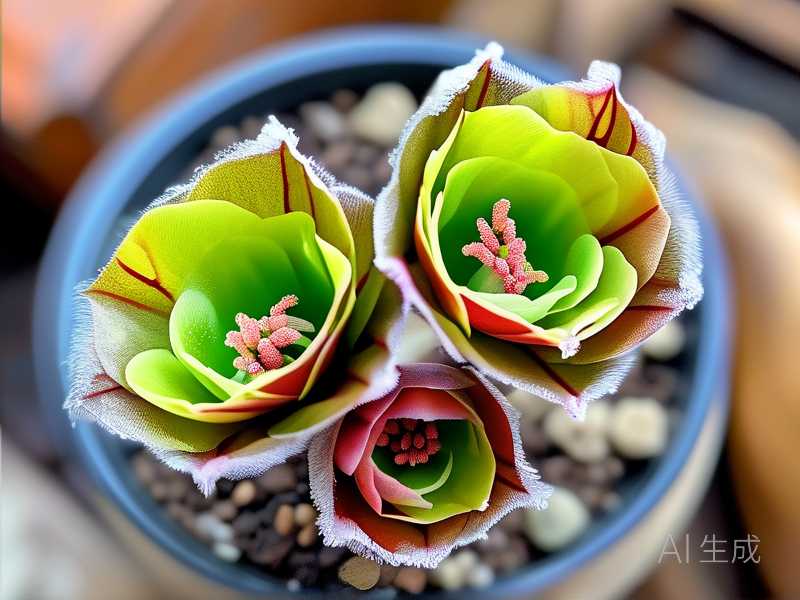
What a Pinguicula Winter Rosette Actually Is
Butterworts are carnivorous. The Mexican species like P. esseriana, P. agnata, P. moranensis and their hybrids are the ones most home growers keep.
In summer they make sticky flypaper-type leaves and eat fungus gnats. In winter they do something totally different. They shrink into a tight rosette of thick, succulent leaves with no dew on them at all.
A lot of people panic when this happens. They think the plant is dying. It isn't. It's resting.
But here's the catch. That succulent rosette is built to survive dry months, not wet ones. It has no real way to push out excess water the way summer leaves do. So it just sits in whatever moisture you give it.
That's the whole problem in one sentence.
Light: Bright, but Not Blazing
Light matters more than people think when it comes to mold. Weak light plus damp soil is the classic mold recipe.
I keep my winter rosettes on an east-facing windowsill. They get three or four hours of soft morning sun and bright indirect light the rest of the day.
If you only have a south or west window, hang a sheer curtain. Direct afternoon sun can scorch a winter rosette and leave pale, crispy patches.
Under grow lights, I run mine 10 to 12 hours a day, about 8 to 10 inches above the plants. Twelve hours is plenty in winter. Push it to 16 and you'll keep the plant from resting properly.
What happens when light is too low? The rosette loosens up. Leaves stretch. Air can't move between them. And that's exactly where fuzzy mold on succulent leaves likes to park.
The Royal Horticultural Society (RHS) makes the point that air movement is one of the most overlooked parts of indoor plant care. I'd second that completely. It's the single change that made the biggest difference for me.
Watering: This Is Where Most of Us Go Wrong
Let me say the thing that took me years to accept. 90% of indoor plants die from overwatering. Not underwatering. Overwatering.
And Pinguicula winter rosettes are basically the poster child for it.
Here's my rule now. In the winter rosette phase, the soil should feel barely damp. Not wet. Not bone dry either. Think of a wrung-out sponge that's been sitting out for an hour.
How I actually water:
- I use a small squeeze bottle and water the edges of the pot, never the crown.
- I stop the moment a few drops come out the bottom.
- If I use the tray method, I fill the tray, wait 15 minutes, then pour off whatever's left.
- I never let the pot sit in standing water. Ever.
In summer, when the plant is growing carnivorous leaves, I water much more freely. Tray method, top watering, doesn't matter much.
In winter? Once every 10 to 14 days is often enough. Sometimes less. It depends on your room.
A quick test I use: stick a wooden toothpick into the soil near the edge of the pot. If it comes out with damp soil clinging to it, wait. If it comes out clean, water lightly.
The mistake I made for two winters in a row was watering on a schedule. Every Sunday, no matter what. That's how I killed my first butterwort. The rosette looked fine for weeks, then one morning the center was gray and soft.
Soil and Pots: Boring Choices Win
Pinguicula winter rosette care really comes down to drainage. You want a mix that dries fast at the surface.
My current mix:
- 2 parts perlite
- 1 part pumice
- 1 part peat or coco coir
- a small handful of vermiculite
Some growers go even more mineral-heavy for Mexican species. I tried a nearly pure pumice mix once. It worked, but I had to water constantly in summer, which got annoying. So I settled somewhere in the middle.
What I avoid: heavy peat mixes, compost, and anything that keeps a wet crust on top.
For pots, terracotta is my favorite in winter. It wicks moisture out through the walls. Plastic works too, but it holds water longer, so I'm more careful with it.
Size matters. Use a pot that's snug. A 3- to 4-inch pot is fine for a single rosette. Putting a small butterwort into a big pot is one of the fastest ways to rot it, because most of that soil stays wet with no roots in it.
And always, always drainage holes.
Fertilizer: Less Than You Think, and None in Winter
Butterworts are light feeders. They get most of what they need from the bugs they catch.
In summer, I use a quarter-strength liquid fertilizer made for carnivorous plants, once a month, applied to the leaves with a cotton swab. Not poured into the soil. I've also had decent luck with a plain orchid fertilizer at quarter strength.
In winter, I stop completely. No fertilizer on a dormant rosette. It can't use it, and the salts just build up in the soil.
By the way, if you already have mold, don't fertilize at all until it's gone. Feeding a moldy plant mostly feeds the mold.
Seasonal Care, Because Winter Is a Different Animal
Spring: Wake-Up Time
Around March, I start seeing tiny new leaves with dew on them. That's the signal.
I increase watering slowly. I don't jump straight to summer levels. Over about three weeks, I move from barely damp to evenly moist.
I also repot in early spring if the plant needs it. Every one to two years is plenty. I knock off the old soil, trim any dead roots, and pot into fresh mix.
If there are dead brown leaves left from winter, I pull them off now. Leaving them packed around the crown keeps moisture trapped.
Summer: Growth and Gnat Patrol
This is the fun season. Sticky leaves, flowers, and a plant that actually looks alive.
Sun is stronger, so I watch for scorch. Water freely but still empty the tray. Airflow stays important. I run a small clip fan on low, a few feet away, not pointing right at the plants.
Fungus gnats are the usual pest. The plant handles most of them on its own. For heavy outbreaks, I use sticky traps and let the soil dry a bit more between waterings.
Autumn: The Slow Downshift
As daylight shortens, the plant stops making carnivorous leaves and starts building the winter rosette.
I cut back watering gradually. I stop fertilizing in October. I remove any dying leaves so nothing sits and rots.
This transition period is where a lot of mold problems begin. The leaves are changing, the soil is still damp from summer habits, and the air is getting cooler and stiller.
Winter: The Mold-Avoidance Protocol
This is the part that matters most for the question you came here with. Mexican Pinguicula dormancy is not a time to fuss over your plants. It's a time to leave them alone, mostly.
Here's exactly what I do now:
- Water sparingly, from the bottom or around the edges, every 10 to 14 days.
- Keep the crown bone dry.
- Run a small fan on its lowest setting for a few hours a day, or crack a window for 10 minutes when it's not freezing.
- Keep the plant between 55 and 70 degrees Fahrenheit. Cool is fine. Cold and wet is not.
- Remove dead leaves as soon as they brown.
- Never mist. I know it feels helpful. It isn't.
Also, skip the humidity dome or terrarium in winter. I tried that once because I read butterworts love humidity. True in summer. In winter, it turned my rosette into a petri dish.
The Two-Week Test I Ran on My Own Plants
After losing two plants, I decided to actually track what happened instead of guessing.
Day 1: I found light gray fuzz in the center of one rosette. I removed it with a clean, dry cotton swab and stopped watering entirely.
Day 3: Fuzz came back, but smaller, and only on one leaf. I moved the plant somewhere with better airflow and repotted it into fresh, drier mix.
Day 5: No new fuzz. The soil surface was dry. The rosette looked slightly shriveled, which worried me.
Day 8: Still no mold. I gave it a very light bottom watering and emptied the tray right away.
Day 10: I noticed a tiny new leaf starting in the center. That was a good sign.
Day 14: Rosette firm, no mold, one new leaf. I kept that lean watering schedule for the rest of winter and the plant came back strong in spring.
The big lesson: mold usually returns within three days if you don't change the conditions. If it stays away for a week, you've probably fixed the real cause.
The Three Mistakes That Kill Most Pinguicula
1. Overwatering. This is the big one. A dormant rosette can't drink much. Watering it like a summer plant drowns it.
2. Wrong light. Too little light weakens the rosette and keeps the soil surface damp. Too much direct sun scorches the leaves and stresses the plant.
3. Wrong pot. No drainage holes, oversized pots, glass jars, self-watering containers. I've made all of these mistakes. A small terracotta pot with a hole in the bottom solves a shocking number of problems.
Other Problems and How I Handle Them
Gray fuzzy mold (usually Botrytis). When I find mold on carnivorous plant soil or leaf surfaces, I improve airflow, cut back water, and remove affected leaves with clean scissors. I dab a little cinnamon on the cut edge sometimes. It's not a cure, but it doesn't hurt.
White crusty stuff on the soil. That's usually mineral buildup, not mold. Flush the pot with distilled water and let it dry out.
Black, mushy stem. That's rot, and it's serious. I unpot the plant, cut away anything soft, and repot in fresh dry mix. Sometimes it works. Sometimes it doesn't.
Yellow leaves. Could be too much water, too much sun, or a nutrient issue. Check the soil first.
Mealybugs or scale. I use a cotton swab dipped in rubbing alcohol and dab them off. Never spray oil on a winter rosette.
Sudden collapse. Usually rot. It happens fast, often within 48 hours.
The American Horticultural Society (AHS) has solid general guidance on indoor plant disease prevention, and the same principles apply here: sanitation, airflow, and matching water to what the plant actually needs.
Questions I Get Asked a Lot
Can I just wipe the mold off and move on?
You can, and it's a fine first step. But if you don't change the water and airflow, it'll be back in a few days. I've watched it return three times on the same plant before I finally repotted it.
Should I repot a moldy Pinguicula in the middle of winter?
If the mold keeps coming back, yes. I'd rather stress a plant slightly with a repot than lose it to rot. Use dry-ish fresh mix and don't water for a few days after.
Will mold kill my butterwort?
Light surface mold usually won't. Mold that spreads into the crown or the stem will, and fast. The key is catching it early and drying things out.
What I'd Tell a Beginner
If you take one thing from all of this, take the airflow part seriously.
I spent two years thinking mold was about water alone. It's not. It's water plus still air. A cheap little fan on low, a slightly drier pot, and a snug terracotta container will fix most winter rosette mold problems before they even start.
Check your plants every couple of days in winter. Look into the center of the rosette. Feel the soil. If something looks off, dry it out and move some air.
That's really it. These plants are tougher than they look. You just have to stop treating a sleeping plant like a growing one.




