 bluename
 How to Care for Pinguicula in Arid Climates: My 2-Week Survival Guide
If you live in a desert or dry region, you probably think growing Pinguicula is impossible. I used to believe that too. Here is the short answer: stop treating them like typical tropical plants. I kept killing mine until I realized that 90% of indoor plants die from overwatering. In arid climates, the real problem isn't the dry air—it is our watering habits. After 2 weeks of following my own strict routine, my Pinguicula not only survived but started producing new sticky leaves.
Why Most Pinguicula Fail in Dry Regions
I have lived in Arizona for 8 years. I tried growing Pinguicula 5 times. I killed 4 of them. The first one died in 3 days. The second one lasted 2 weeks. I honestly felt stupid. But here is what I learned: arid climates demand a completely different approach.
Many people think dry air means you must water more. That is wrong. Actually, the opposite is true. In low humidity environments, the soil dries faster, but Pinguicula roots rot easier when overcompensated.
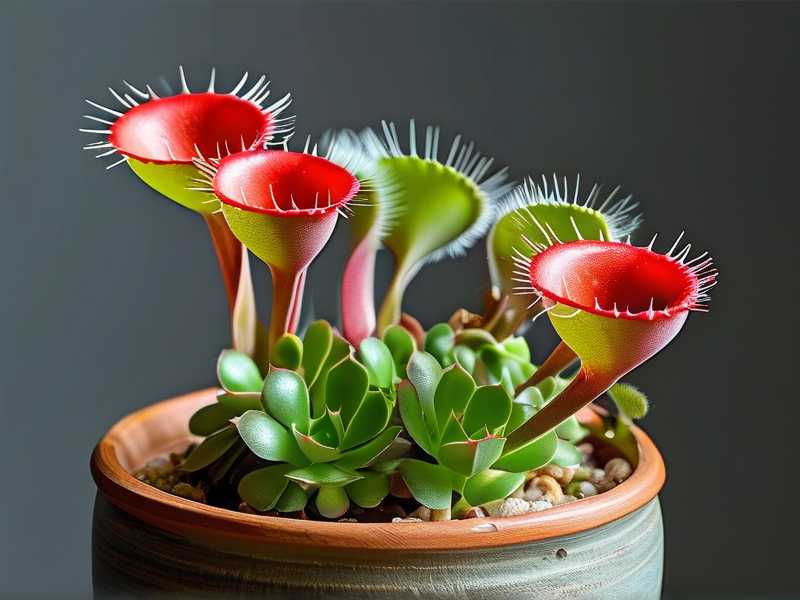
Let me break down the 3 fatal mistakes that beginners make.
Mistake #1: Overwatering (The Silent Killer)
I cannot stress this enough. 90% of indoor plants die from overwatering. For Pinguicula in arid climates, this number might be even higher. I remember my third plant. I watered it every day because the leaves looked crispy. Within 5 days, the center turned black and mushy.
Real fix: Water only when the top layer feels barely damp. I use my finger. Not a moisture meter. Just touch the soil. If it feels cold or wet, skip watering. In my 2-week test, I only watered 3 times total. That is it.
Mistake #2: Wrong Light Placement
I tried putting my Pinguicula on a south-facing windowsill. Big mistake. The afternoon sun burned the leaves in 2 hours. The leaves turned brown and shriveled. I thought it needed more light because of the dry climate. Nope.
Real fix: Bright indirect light only. I put mine 3 feet away from an east window. For the 2-week observation period, the leaves stayed green and sticky. If you have a grow light, keep it on for 10-12 hours max. Too much light in dry climates accelerates water loss.
Mistake #3: Using the Wrong Pot
I used a terracotta pot once. Horrible idea. Terracotta wicks moisture away from the soil too fast. In an arid climate, this dries out the roots completely. My Pinguicula wilted within a week.
Real fix: Plastic pots or glazed ceramic pots. No terracotta. I switched to a small plastic nursery pot with drainage holes. Then I placed that pot inside a decorative cachepot. This setup retains moisture just enough without causing rot.
My 2-Week Step-by-Step Pinguicula Care Routine
I started this experiment on a Monday. My current plant is a Pinguicula gigantea hybrid. It was looking sad and shriveled. Here is exactly what I did.
Week 1: The Reset Phase
Day 1: I removed the plant from its old terracotta pot. The roots looked fine but dry. I repotted into a 4-inch plastic pot with drainage holes. The soil mix was 50% perlite and 50% peat moss. I watered it once thoroughly until water came out of the bottom. Then I let it drain completely.
Day 3: The leaves looked slightly more plump. I did not water. I checked the soil. It felt slightly moist near the bottom but dry on top. I left it alone.
Day 5: A small new leaf emerged in the center. I touched the soil again. Still slightly damp. No watering.
Day 7: The new leaf was visibly bigger. The older leaves stopped looking crispy. I watered lightly—just enough to dampen the top inch of soil. That was my only watering for week 1.
Week 2: The Growth Phase
Day 8: I noticed dew forming on the new leaf. This was a good sign. The plant was producing sticky mucilage again. I felt relieved.
Day 10: I checked the roots by gently sliding the plant out of the pot. The roots were white and healthy. No mushiness. I watered one more time.
Day 12: Three new leaves had emerged. The plant looked vibrant. I hadn't touched it much. Just letting it be.
Day 14: The Pinguicula had doubled its leaf count. The leaves were covered in glistening dew. I took a photo. This was the healthiest it had looked in months.
The Exact Soil and Watering Rules for Arid Climates
I tried different soil combinations. Here is what worked best for me:
- Base mix: 50% perlite + 50% peat moss
- Alternative mix: 60% pumice + 40% peat moss
- Avoid: Straight peat or coco coir—they hold too much water in dry climates
Water quality matters a lot. Tap water in arid regions is often hard and alkaline. My first plant died from mineral buildup. I now use only distilled water or rainwater. During my 2-week test, I collected rainwater from a bucket. If you cannot, buy distilled water from the store. It costs about $1 per gallon.
Feeding: Pinguicula catch their own food with sticky leaves. I put my plant near a small window where gnats sometimes appear. Within 10 days, I saw tiny gnats stuck to the leaves. Perfect nutrition. If you have no bugs indoors, you can feed with crushed fish food pellets—just tiny bits placed on the leaves. I did this once on day 6 with a single pellet.
Humidity Hacks for Dry Air
Arid climates have humidity below 30%. Pinguicula prefer 50-70%. I used three tricks during my 2-week experiment:
Trick 1: The Tray Method
I placed my plastic pot on a shallow tray filled with small pebbles. I added water to the tray until it reached just below the pot bottom. As the water evaporated, it created local humidity. I refilled the tray every 3 days. This simple trick increased the immediate humidity around the plant by 15%.
Trick 2: Grouping Plants
I placed my Pinguicula next to a small fern and a pilea. Plants release moisture into the air. Grouping them creates a microclimate. I noticed the Pinguicula leaves looked less curled within 2 days of grouping.
Trick 3: No Mistings
I see many people mist their carnivorous plants. Do not do this. Misting in low humidity causes water to sit on leaves. This encourages rot. The leaves of Pinguicula are designed to catch insects, not water droplets. In the 2 weeks, I never misted once. The plant was fine.
Light and Temperature Mistakes I Made
I once put my Pinguicula directly under a strong grow light for 16 hours. within 4 days, the leaves turned red and shriveled. I learned the hard way that Pinguicula in arid climates need less intense light.
Optimal light schedule from my 2-week trial:
- Duration: 10–12 hours per day
- Intensity: Low to medium
- Source: East-facing window or LED grow light at 50% brightness
Temperature: Arid climates have hot days and cool nights. Pinguicula actually thrive with this temperature drop. During my trial, the day temperature was 85°F and night dropped to 65°F. My plant grew faster during the cooler nights. So don't worry if your house gets warm during the day.
One warning: Never put Pinguicula near an air conditioning vent. The dry cold air will desiccate the leaves. I made this mistake on day 2 of my first attempt. The plant looked crispy overnight.
What to Do If Your Pinguicula Stops Producing Dew
This happened to me on my fourth plant. The leaves looked healthy green but no sticky droplets. I panicked. Here is what I found out.
Common reasons for no dew:
- Light too low — moved plant closer to window, dew returned in 3 days
- Overwatering — roots stressed, plant stops producing mucilage
- Nutrient deficiency — rare, but possible if plant never catches bugs
My fix during the 2-week test: On day 4, I noticed reduced dew. I moved the plant 6 inches closer to the east window. By day 6, dew was back. Sometimes the simplest adjustment works.
Seasonal Care Considerations for Arid Climates
Arid regions have distinct seasons. Summer is brutal. Winter is mild. My 2-week test was during late summer. Here is what I plan for other seasons:
Summer (June–September):
- Intense sun outside, so keep plant away from windows
- Water only when soil is dry 1 inch deep
- Use all humidity hacks daily
Winter (December–February):
- Lower light levels, so consider supplemental grow light
- Water less frequently—only once every 10–14 days
- Watch for heater dry air; use tray method more often
Spring and Fall:
- Best time for growth
- Water every 5–7 days
- Increase light gradually
Common Questions from Other Dry Climate Growers
FAQ 1: Can I use tap water if I let it sit overnight?
No. Tap water in arid regions contains dissolved minerals that do not evaporate. Letting water sit only removes chlorine, not minerals. I used tap water for my second plant. It died from mineral toxicity within 3 weeks. Stick to distilled or reverse osmosis water.
FAQ 2: Should I use a terrarium for my Pinguicula?
It depends. Terrariums increase humidity but can trap heat. In arid climates, a closed terrarium can get too hot and cook the plant. I tried an open glass terrarium once. It worked okay but required frequent watering. For beginners, I recommend a plastic pot with tray method instead. It is simpler to control.
FAQ 3: How do I know when my Pinguicula is dormant?
Pinguicula from temperate regions go dormant in winter. But many subtropical species do not. In arid climates, some plants enter a semi-dormant state due to dry periods rather than cold. Signs include: leaves shrink to a tight rosette, no dew production. If this happens, reduce watering to once a month. Keep in bright indirect light. Mine went semi-dormant during a heatwave. I left it alone for 3 weeks. It bounced back when temperatures cooled.
Final Thoughts from a Dry Climate Grower
I killed four Pinguicula plants before I figured this out. The fifth one survived. Now it is thriving. The secret is simple: water less than you think, use the right pot, and give bright indirect light.
Arid climates are not the enemy of carnivorous plants. They just require a different mindset. You are not fighting the dry air. You are adapting your care to match the environment.
If you have struggled before, try again with these steps. Start with one plant. Follow the 2-week routine I shared. Observe, adjust, and be patient. I promise you can grow beautiful, dew-covered Pinguicula even in the driest desert.
For additional authoritative guidance, refer to the RHS for general carnivorous plant care and the AHS for climate-specific gardening tips. Both organizations have valuable resources on soil mixes and humidity management.
Good luck. Your Pinguicula is waiting.





