bluename
 How to Care for Pinguicula in Shaded Areas: A Grower's Guide to Success
I used to think all butterworts, or Pinguicula, were sun-worshippers. That belief cost me several beautiful plants. I’d place my new acquisitions on a sunny windowsill, only to watch their vibrant green leaves turn pale, crispy, or simply stop producing their characteristic sticky dew. The frustration was real. If you’re struggling with a similar challenge—wanting to grow these fascinating carnivorous plants in a home or garden that doesn’t get full, blazing sun—you’re not alone. The good news is, many Pinguicula species can not only survive but truly thrive in shaded areas. This guide is born from my own two-year journey of trial, error, and eventual success in cultivating lush, dewy butterworts away from direct sunlight.
My turning point came after a conversation with a specialist from the International Carnivorous Plant Society (ICPS). They emphasized that while many Mexican and tropical Pinguicula enjoy bright light, numerous temperate and even some tropical varieties are adapted to dappled forest floors. The key isn’t just dumping them in dark corners; it’s about understanding and replicating the specific conditions of a shaded environment. This involves a careful balance of light quality, humidity, soil, and watering—a symphony of factors I had to learn to conduct.
Understanding Pinguicula and Their Light Tolerance
Not all butterworts are created equal when it comes to light needs. Broadly, they fall into categories: tropical (often evergreen) and temperate (requiring a winter dormancy). I’ve found that temperate species like Pinguicula vulgaris or P. grandiflora, which naturally grow in boggy, often partially shaded meadows, are more forgiving of lower light. My focus, however, became the tropical varieties, as they are popular houseplants. Species like Pinguicula moranensis, P. agnata, and their hybrids have been my most successful subjects in shade.
The term “shade” is crucial to define. We’re not talking about deep, dark shade where nothing grows. For Pinguicula Care in low light, we mean:
- Bright, Indirect Light: The gold standard. Think near an east-facing window, or a few feet back from a south or west window filtered by a sheer curtain.
- Dappled Sunlight: Mimicking their natural habitat under trees, with patches of soft, filtered light.
- Artificial Light: A completely viable and controlled option for growing Pinguicula without direct sun.
Direct, hot afternoon sun is often the enemy, especially behind glass, as it scorches leaves and evaporates the precious mucilage they use to catch prey. In shade, growth might be slightly slower than in prime sunny conditions, but the plants are often lusher, greener, and less stressed.
My Step-by-Step Process for Shaded Success
After my initial failures, I decided to start a controlled experiment with three Pinguicula 'Sethos' plants, known for their reliability. I committed to a strict 14-day observation protocol to document their adjustment to a shaded setup.
Week 1: The Setup and Initial Adjustment
I chose a location about 1.5 meters from a large north-east facing window. It received no direct rays but remained brightly lit all day. My tools were simple: shallow pots with excellent drainage, a soil mix of 50% perlite to 50% peat moss (recommended by the ICPS for aeration and moisture retention), and a tray for bottom-watering.
- Repotting: I gently repotted all three plants into the airy mix, ensuring the crown was above the soil to prevent rot.
- Watering Protocol: I used only distilled or rainwater. I placed the pots in a tray with about 1 cm of water, allowing them to soak from below, and let the tray dry out completely before refilling. This prevents crown rot—a common killer.
- Initial Observation (Days 1-3): The plants looked unchanged, a good sign. No wilting.
- Mid-Week Check (Days 4-7): Here was my first “aha” moment and a common mistake I made. I noticed the leaf edges on one plant looked slightly dry. I panicked and lightly misted the plant. Big error. Misting can wash away dew and, in stagnant shade air, promote fungal issues. The solution? I increased the humidity around the plant by placing its pot on a larger tray filled with pebbles and water (keeping the pot above the waterline). The local humidity rose, and the leaves perked up without getting wet.
Week 2: Signs of Acclimation and Troubleshooting
By the second week, the plants were visibly settling in.
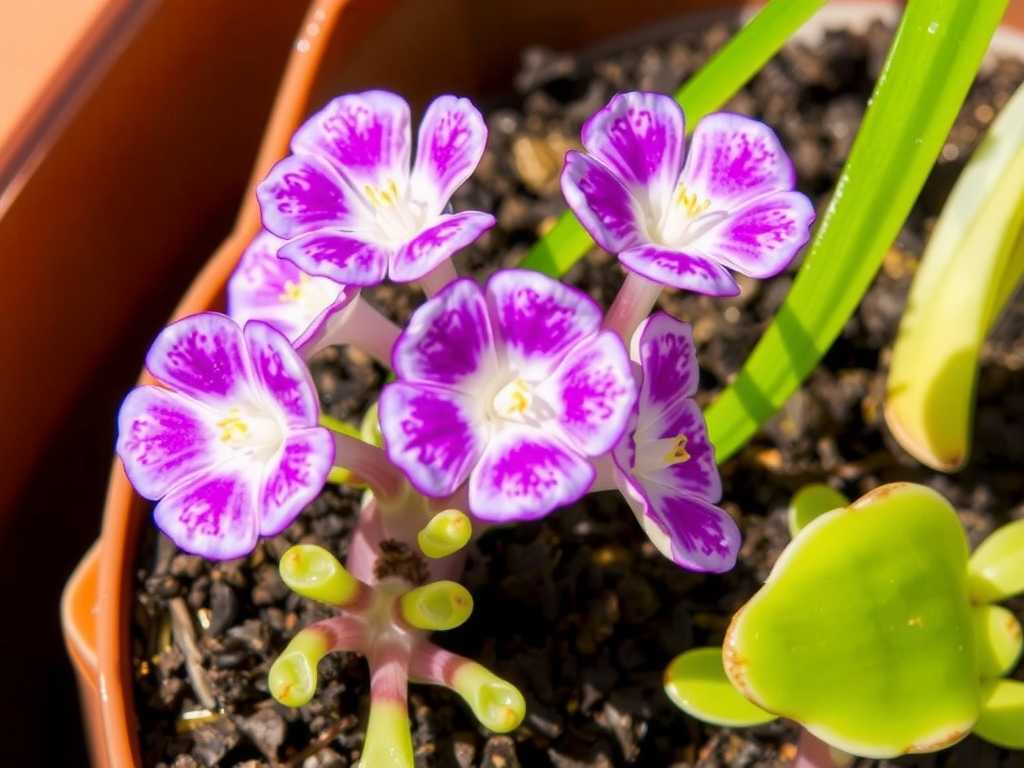
- Dew Production (Days 8-10): This was the ultimate test. Without dew, a butterwort isn’t happy. I was thrilled to observe tiny, glistening droplets forming on the new, smaller leaves. They weren’t the giant beads seen in some greenhouse photos, but they were consistent and sticky. This proved the plants were photosynthesizing efficiently enough to produce mucilage.
- Color and Form (Days 11-14): The leaves maintained a healthy, deep green color. They weren’t stretching or etiolating (reaching for light), which confirmed the light level was sufficient. New leaf growth was compact and rosette-shaped.
- The Feeding Factor: In a shaded, indoor environment, gnats and flies are scarce. A resource from the Carnivorous Plant Hub suggested that in low-light setups, occasional supplemental feeding can be beneficial. Using tweezers, I placed a couple of dried bloodworms (fish food) on the leaves of one plant every two weeks. The difference was clear—the fed plant produced slightly larger and more leaves. Never use fertilizer in the soil.
The Four Pillars of Shaded Pinguicula Care
My two-week experiment laid the foundation for a long-term care routine, built on these four pillars.
1. Light: Quality Over Intensity Your goal is to provide the brightest possible indirect light. An east-facing window is ideal. If light is truly limited, consider a simple LED grow light. I use a basic, low-wattage LED panel placed 30-40 cm above the plants for 12-14 hours a day. It works wonders, especially in winter. Remember, we are creating a shaded environment for butterworts, not a cave.
2. Water and Humidity: The Delicate Balance This is where most failures occur. The mantra is: keep the roots consistently moist but never soggy, and the leaves dry.
- Watering: Always bottom-water with pure water. The tray method is your best friend. Let the water in the tray evaporate and stay dry for a day before refilling.
- Humidity: Aim for 50-70%. The pebble tray method is effective and low-tech. For a cabinet or terrarium setup, a small USB humidifier can provide stable conditions, but ensure there is gentle air circulation to prevent mold.
3. Soil and Potting: The Foundation A standard carnivorous plant mix works, but I’ve optimized mine for shade where evaporation is slower: 1 part peat moss, 1 part perlite, and 1 part horticultural sand or pumice for extra drainage. Plastic or glazed ceramic pots with drainage holes are fine. The shallow root systems mean deep pots aren’t necessary and can hold too much wet soil.
4. Temperature and Dormancy Most tropical Pinguicula enjoy daytime temperatures of 70-85°F (21-29°C) and a slight drop at night. Temperate species, suited for shaded gardens, need a cold winter dormancy. This involves exposing them to near-freezing temperatures (but not frost) for several months, during which they form a tight, non-carnivorous bud (hibernaculum). This cycle is crucial for their long-term health.
Common Problems and Their Solutions in Shade
- Lack of Dew: The #1 sign of insufficient light. Move to a brighter spot or introduce a grow light. Also, ensure humidity is adequate.
- Leaf Rot or Fungus: Caused by stagnant air, overhead watering, or soil that stays too wet. Improve air circulation (a small fan on low helps), stop misting, and let the soil surface dry slightly between waterings.
- Pests (Aphids, Mealybugs): Even in shade, pests can appear. Physically remove them with a cotton swab dipped in distilled water or a drop of dish soap. Neem oil can be used sparingly, but test on one leaf first.
- Leggy Growth: If the plant stretches out with large gaps between leaves, it’s begging for more light. Gradually increase its exposure.
Can I grow Pinguicula in a bathroom with no window? Yes, but it requires commitment. You will absolutely need a dedicated grow light on a timer to provide 12-14 hours of “daylight” daily. Humidity from showers is a bonus, but ensure the plant has some air circulation to prevent fungal issues.
How often should I water my shaded butterwort? Throw away the calendar. Check the soil and the water tray. I typically refill my trays once a week, but in cooler, darker months, it might be every 10 days. The top of the soil should feel slightly damp, not wet or bone dry.
Do shaded Pinguicula still need to eat insects? While they appreciate the nutrients, feeding is not strictly necessary if they are producing dew and growing. The plant gets most of its energy from photosynthesis. In a sealed terrarium or very sheltered spot, they may catch fewer prey. Occasional supplemental feeding with freeze-dried bloodworms, as I did, can support stronger growth but is not a substitute for proper light and care.
Cultivating Pinguicula in shaded areas is a rewarding exercise in precision and observation. It defies the simplistic “full sun” rule and invites you to understand the nuanced needs of these captivating plants. By focusing on bright, indirect light, mastering the bottom-watering technique, and providing an airy, well-draining medium, you can create a microhabitat where your butterworts will not just cling to life, but will flourish, producing their otherworldly dew and adding a touch of natural intrigue to your home. My journey from a sunny-windowsill killer to a successful shade-grower proved that with the right approach, even the most light-sensitive spaces can become a haven for Pinguicula.