 bluename
 How to Care for Sunburned Pinguicula: A Step-by-Step Fix Guide
I’ll never forget the sinking feeling I had when I walked over to my carnivorous plant shelf one bright afternoon and saw it. My prized Pinguicula, usually a vibrant, dewy green, had developed pale, bleached patches on several leaves. The edges were turning a sickly yellow, and the plant looked distinctly unhappy. I had made the classic, heartbreaking mistake of giving my butterwort too much direct sun, too quickly. If you’re here, you’re probably facing the same panic I felt, wondering if your sunburned Pinguicula can be saved. The good news is, absolutely—it can. This guide is the detailed, from-the-trenches account of exactly how to care for sunburned Pinguicula, based on my own successful two-week rescue mission and the lessons I learned the hard way.
Understanding Pinguicula Sunburn: More Than Just a Tan
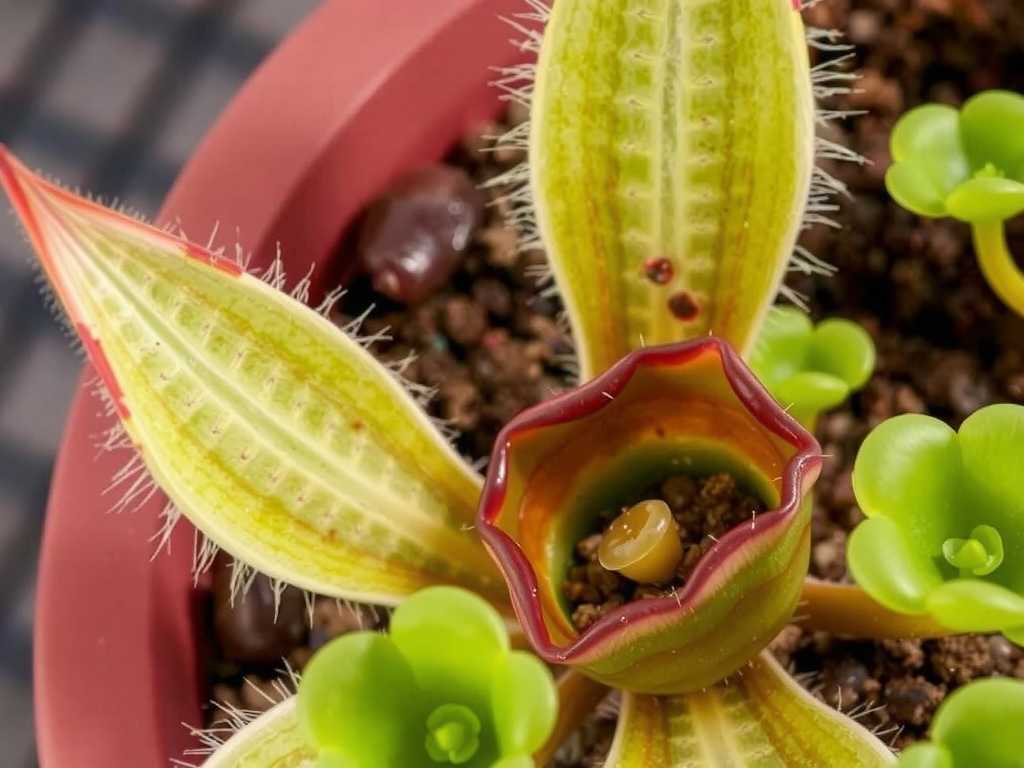
First, let’s clarify what we’re dealing with. Unlike human sunburn, a sunburned Pinguicula isn’t just about heat; it’s about intense light radiation damaging the plant’s photosynthetic tissues. Pinguicula are often grown for their beautiful, carnivorous leaves, but their native habitats are typically bright yet often diffused light—think mossy rocks or grassy bogs, not the relentless midday desert sun. When exposed to light intensity beyond their tolerance, the chlorophyll breaks down, leading to those characteristic white, yellow, or brown scorched patches. The damaged leaves cannot recover their color; they are essentially scarred. Our goal isn’t to heal the old leaves but to nurture the plant so it can produce new, healthy growth.
My Immediate Rescue Protocol: The First 48 Hours
The moment I confirmed the damage, I sprang into action. Time is critical to prevent further stress.
Step 1: Immediate Relocation to a Safe Haven I gently moved the pot to a location with bright, but completely indirect, light. For me, this was a north-facing windowsill that gets plenty of ambient light but zero direct rays. A spot under a grow light, set to a moderate intensity and raised a few inches higher than usual, is also perfect. The key is to provide a “recovery room” environment—plenty of light for basic functions without any further punishing intensity.
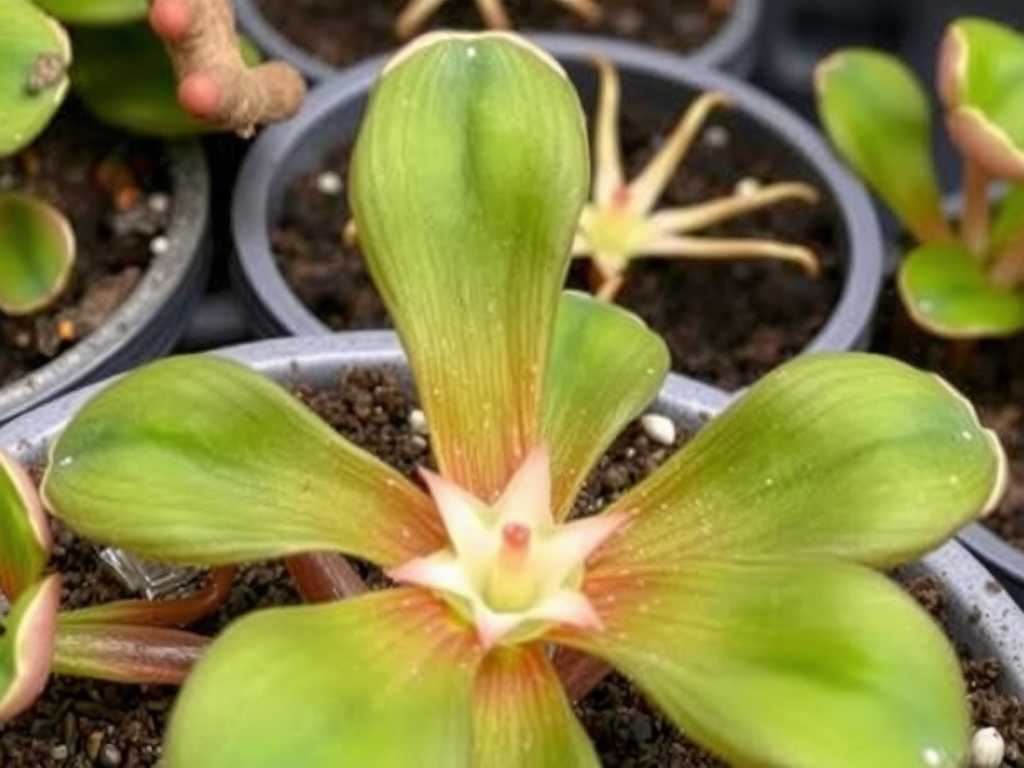
Step 2: The Hydration Check Sunburn often goes hand-in-hand with dehydration, as the intense light accelerates water loss. I checked the medium. I grow my Pinguicula in a mix of peat and perlite, and the top was drier than I liked. Here, I followed the RHS (Royal Horticultural Society) guidance on carnivorous plant care, which emphasizes consistent moisture during the active growth phase. I placed the pot in a shallow tray and used the bottom-watering method, filling the tray with about half an inch of distilled water (never tap water, due to minerals). I let the medium soak it up from below for 20 minutes, then emptied the tray. This ensured the roots got moisture without wetting the leaves, which could invite rot on already stressed tissue.
Step 3: Resisting the Urge to Trim My instinct was to snip off the ugly, burned leaves. I’m glad I didn’t. Even damaged leaves can still contribute some energy to the plant. More importantly, as noted by experts in the American Horticultural Society’s plant stress guidelines, creating open wounds on a stressed plant is an invitation for pathogens. I decided to leave all leaves attached, even the badly scorched ones, unless they turned completely mushy or brown.
The First Week: Observation and Adjustment
The initial 7 days were a lesson in patience. The damaged leaves looked the same—they didn’t magically green up. But I was watching for new developments.
- Daily Routine: Each morning, I checked the plant’s color and turgor. I continued bottom-watering only when the top of the medium began to feel slightly dry to the touch, usually every 2-3 days.
- The “Pitfall” I Avoided: I was tempted to fertilize, thinking it might give the plant a boost. This is a major pitfall for carnivorous plant recovery. Pinguicula get nutrients from their prey, and their roots are extremely sensitive to mineral salts. Fertilizing a stressed butterwort would have been a surefire way to cause root burn and finish it off. I stuck to pure water only.
- Signs of Hope: By day 5, I noticed something crucial: the plant’s central growth point, the rosette’s heart, still looked firm and green. No new damage was appearing. This was the first positive sign that the stress had been halted.
Week Two: Encouraging New Growth and Long-Term Strategy
Entering the second week, the focus shifted from pure rescue to rehabilitation.
Creating the Ideal Recovery Environment I invested in a simple digital light meter (a lux meter app on your phone can give a rough estimate). My goal was to provide 5,000-8,000 lux of bright, indirect light. I found a spot about 18 inches below my LED grow light that hit this range perfectly. Consistency was key—I used a timer to provide 14 hours of this gentle light daily.
The First New Leaf and My Mistake Around day 10, I spotted a tiny, fresh green nub emerging from the center! This was the victory moment. However, in my excitement, I made another common error: I increased watering frequency, thinking the new growth needed more. Within two days, the oldest, most damaged leaves started to show signs of fungal fuzz. I had overcorrected.
My Solution for Overwatering During Recovery I immediately removed the pot from any water tray. I let the medium dry out more than usual, almost to the point of being just barely damp. I carefully removed the two fungal-affected old leaves with sterilized tweezers, as they were now a liability. To prevent spread, I improved air circulation around the plant with a small, oscillating fan set on low, placed several feet away. This combination—drying back and increasing airflow—stopped the fungus in its tracks without harming the new growth.
The Two-Week Mark: Assessment and Forward Plan
After 14 days of this careful regimen, my Pinguicula was stable. The sunburned leaves remained scarred, but they were dry and not spreading. Two new, perfectly formed, sticky green leaves were unfurling from the center. The plant had officially redirected its energy to regeneration.
My long-term strategy to prevent a recurrence involved acclimating Pinguicula to light safely. I learned that any increase in light must be gradual. When I eventually moved it back to a brighter spot, I did so over 3-4 weeks, starting with just an hour of morning sun and slowly increasing the exposure. I also now use a sheer curtain as a permanent filter during the harshest summer months.
Your Questions on Pinguicula Sun Damage, Answered
Can the white sunburned leaves ever turn green again? No, they cannot. The chlorophyll in those specific cells is permanently destroyed. Think of them as scars. The plant’s recovery is about growing new, healthy leaves to replace the damaged ones over time. Do not remove them prematurely; let the plant decide when to reabsorb their resources.
Should I repot my sunburned Pinguicula right away to reduce stress? Almost never. Repotting is one of the most stressful events for a plant, as it disturbs the roots. Combining transplant shock with sun stress is a recipe for decline. Focus on correcting the light and water conditions first. Only consider repotting if the current medium is obviously problematic (e.g., sour, algae-ridden) and even then, wait until the plant shows steady new growth.
What is the difference between sunburn and natural dormancy color changes? This is a vital distinction. Some Pinguicula species, when entering winter dormancy or under strong light they are acclimated to, may form a tight, smaller rosette and develop beautiful red or purple tints. This is healthy and desirable. Sunburn, in contrast, appears as irregular, pale, papery, or crispy patches, often on the leaves most exposed to the light source. Healthy color change is even and often enhances the leaf; sunburn looks like an injury.
Seeing your Pinguicula get sunburned is a tough experience, but it’s a powerful learning opportunity. The process taught me more about reading my plant’s signals than any period of easy growth ever could. Success lies in swift, calm action: remove the stressor, provide perfect baseline care with light and water, and then practice disciplined patience. The plant wants to live. By creating a stable, gentle environment, you give it the platform it needs to do the hard work of recovery itself. Those first new, dewy leaves pushing through the old damage are a reward that makes all the careful attention worthwhile.





