 bluename
 How to Care for Pinguicula in Bright Areas: A Grower’s Guide to Thriving Butterworts
If you’re like me, you fell in love with Pinguicula, or butterworts, for their dewy, jewel-like leaves and charming flowers. But then came the anxiety: “My windowsill gets blasted with sun all afternoon—will my butterwort burn to a crisp?” I’ve been there, staring at a once-plump Pinguicula now tinged with red and feeling like I’d failed. The common advice of “bright, indirect light” felt vague and unhelpful for my specific, sun-drenched growing space. Through trial, error, and careful observation over the last few seasons, I’ve developed a reliable system for not just keeping Pinguicula alive in bright areas, but helping them truly thrive. This guide is the result of my hands-on experience, including the mistakes I made and how I fixed them.
Understanding Pinguicula and Light: More Than Just “Bright”
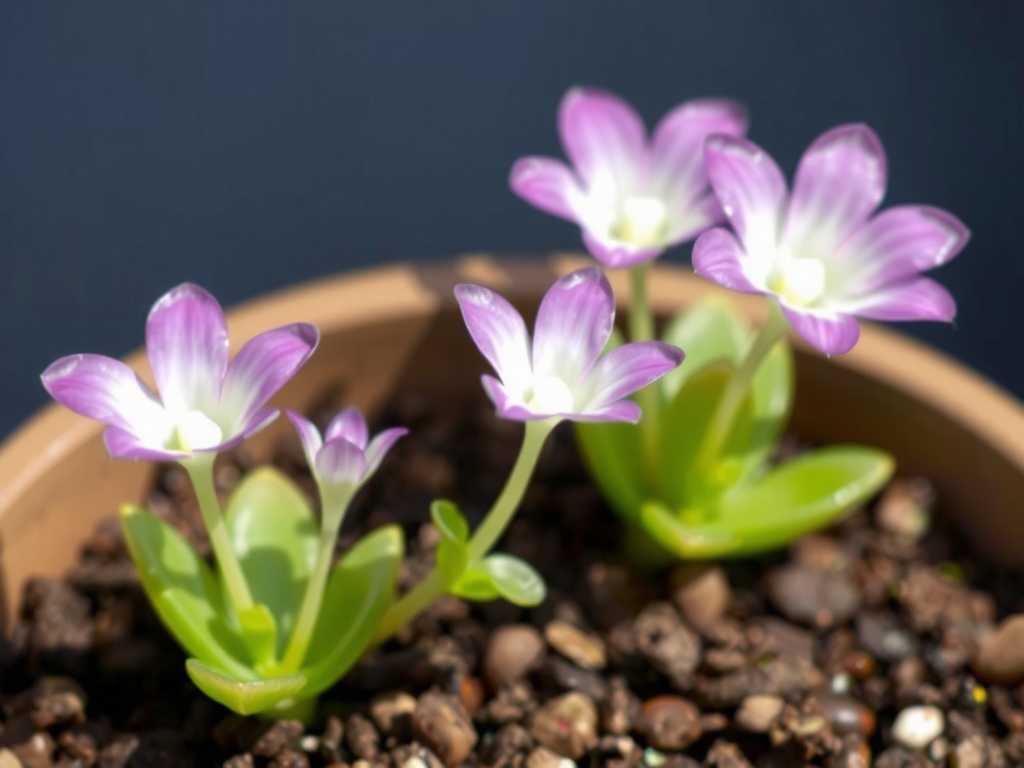
First, let’s clarify what we mean by “bright areas.” For Pinguicula, this typically refers to an east-facing window with morning sun, a south or west-facing window with some diffusion (like a sheer curtain), or under strong artificial grow lights. The goal is to provide high-intensity light without the scorching heat and UV stress of unfiltered, hot afternoon sun.
Why is light so crucial? For these carnivorous plants, light drives photosynthesis for growth and fuels the production of the sticky mucilage on their leaves—their primary insect-trapping mechanism. Insufficient light leads to etiolated, pale, and non-sticky leaves. However, as I learned the hard way, too much of a good thing causes photobleaching (fading), reddish or bronze stress coloration, and in severe cases, sunburn scars that permanently damage the leaf tissue.
According to the International Carnivorous Plant Society (ICPS), most temperate and tropical Pinguicula species benefit from light levels similar to those required for African Violets. The key is observing your plant’s response, which I’ll detail next.
My Two-Week Observation Journal: Dialing in the Perfect Light
I decided to conduct a focused experiment with my Pinguicula ‘Sethos’, a popular hybrid, placing it in my very bright south-facing bathroom window. Here’s what I observed day by day.
- Days 1-3: The plant looked great. Morning sun lit up the dewy leaves beautifully. By midday, the direct sun was intense, and I noticed the pot’s surface was hot to the touch.
- Days 4-7: The outermost leaves began developing a slight pinkish blush along the margins. This is a common stress response. Growth seemed steady, but I was on alert.
- Day 8 – The “Uh-Oh” Moment: One leaf that was pressed against the warm window glass developed a small, pale, crispy patch—a clear sign of sunburn. This was my cue to intervene.
- Days 9-14 – The Adjustment: I didn’t move the plant away entirely. Instead, I installed a sheer, light-diffusing curtain. This single change filtered the harshest rays while maintaining superb brightness. Over the next week, the pink blush stabilized (it didn’t deepen), and critically, new growth in the center emerged a vibrant green and was incredibly sticky, indicating the plant was now in its sweet spot.
This experiment taught me that Pinguicula in bright light need protection from heat as much as from the light photons themselves. The solution wasn’t less light, but softer light.
Essential Care Adjustments for High-Light Environments
Caring for Pinguicula in bright areas isn’t just about light placement; it affects every aspect of their care.
Watering: Avoiding the Dry-Out Trap In bright, warm spots, evaporation happens fast. The traditional tray method (keeping the pot in 1-2 cm of water) is still my go-to, but I check it every other day instead of weekly. I use only distilled, rainwater, or reverse osmosis water. The biggest pitfall I encountered was letting the medium dry out completely. Once the soil dries, the delicate, fine roots can be damaged, and rehydrating a bone-dry peat mix is difficult. My fix was to use a shallow, glazed ceramic saucer that holds water more consistently than a terra cotta saucer, which wicks moisture away.
Soil and Pot Selection: Foundation Matters The right medium is critical for managing moisture. I use a standard 1:1 mix of peat moss and perlite. In bright areas, I slightly increase the perlite for extra drainage and aeration, preventing the lower layers from becoming stagnant. As recommended by experts like Dr. Fernando Rivadavia, a renowned Pinguicula specialist, a shallow pot is ideal. It provides ample surface area for the rosette to spread and prevents excessive, soggy soil volume underneath. I repot my butterworts annually in fresh medium to prevent mineral buildup, which is accelerated in pots that are frequently watered.
Feeding: They’ll Do It Themselves One of the joys of growing Pinguicula in a bright window is that feeding becomes mostly hands-off. The intense light promotes copious mucilage production. Gnats, flies, and other small insects are naturally attracted to the bright area and the plant’s shimmering leaves. I’ve observed my plants consistently catching prey on their own. If you don’t see insects, you can occasionally sprinkle a few dried bloodworms (fish food) onto the leaves. Avoid overfeeding; one small pinch per plant every 3-4 weeks during active growth is ample.
Seasonal Changes and Dormancy For temperate Pinguicula species, bright light remains important even during winter dormancy. When they form a tight, non-carnivorous “winter bud” (hibernaculum), I reduce watering significantly, keeping the soil just barely moist. I move them to a cooler but still bright windowsill, away from hot radiators. For tropical Pinguicula (which don’t have a true dormancy), bright light is a year-round requirement, though growth may slow in lower-light winter months.
Troubleshooting Common Bright-Light Issues
- Red or Purple Leaves: This is the most common sign. A slight blush is often harmless and even attractive. However, if the color is very deep or accompanied by halted growth, it’s a distress signal. My solution: Increase light diffusion (a sheer curtain) or move the plant a few feet back from the window.
- Crispy, Sunburned Leaf Tips: This is direct tissue damage. My solution: Trim off the damaged portion with sterile scissors. Relocate the plant immediately to a spot with no direct hot sun. It will recover from the center.
- Stretching or Pale Growth: Ironically, this can happen even in a bright room if the light is ineffective (e.g., a north-facing window or too far from a south window). The plant isn’t getting enough usable PAR (Photosynthetically Active Radiation). My solution: Move it much closer to the light source or invest in a dedicated LED grow light placed 15-20 cm above the plant for 12-14 hours a day.
Frequently Asked Questions
Can I grow Pinguicula under only artificial lights? Absolutely, and it’s often easier to control. I have a shelf with full-spectrum LED bars. My butterworts grow compact, colorful, and extremely sticky under 12-14 hours of light daily. The key is light intensity; ensure the lights are strong enough and positioned close enough (usually 15-25 cm) to prevent stretching.
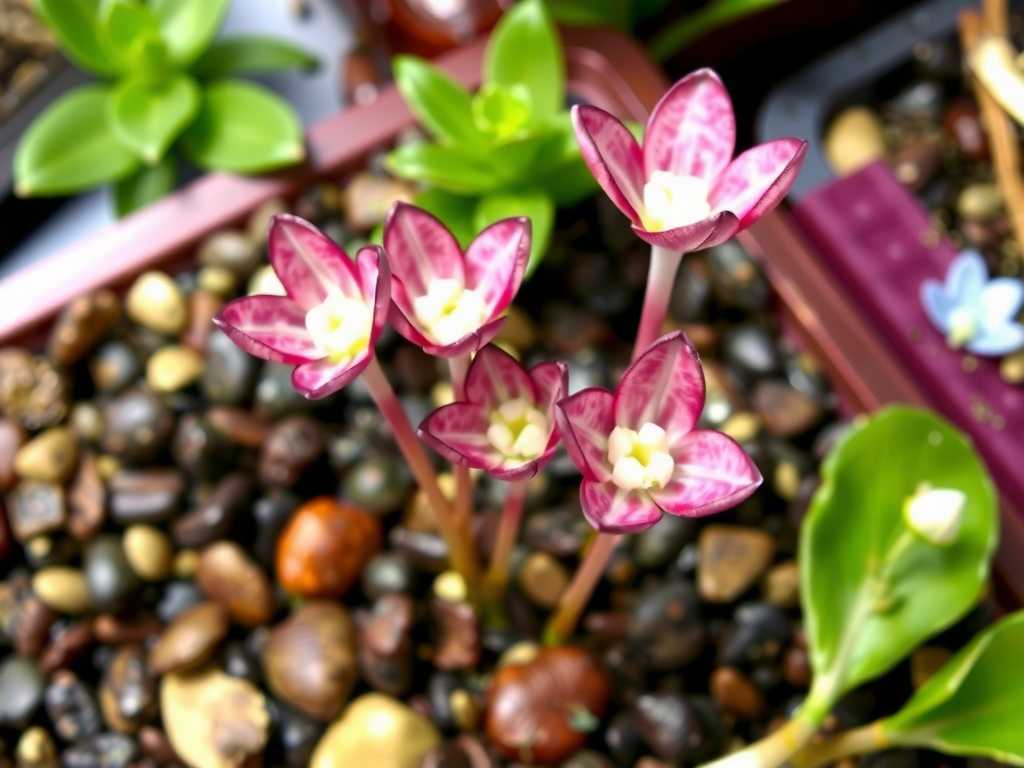
My butterwort’s leaves are small and it’s not flowering. What’s wrong? Consistently small growth and a lack of flowers usually point to insufficient light. While they might survive in moderate light, to thrive and bloom, they need that brighter exposure. Try gradually acclimating it to a sunnier spot or supplementing with a grow light. Also, ensure it’s getting the proper winter rest period if it’s a temperate species.
How do I know if my Pinguicula is getting too much or too little light? Your plant is your best communicator. Too much light: Leaves turn reddish-purple, become firm or hard, may show bleached or crispy spots. Too little light: Leaves are uniformly pale green or yellowish, soft and floppy, the plant stretches upwards, and the dew is sparse or absent. Aim for the middle: firm, flat rosettes with vibrant green or slightly blushed leaves glistening with dew.
Growing Pinguicula in bright areas is a rewarding practice of balance and observation. It’s about harnessing that abundant energy while providing a buffer against its potential downsides. By focusing on light diffusion, vigilant watering, and the right potting setup, you can transform a challenging sunny spot into the perfect stage for these captivating carnivorous plants to put on a spectacular, dewy show. Start by observing your plant’s color and texture, make one adjustment at a time, and you’ll soon have a butterwort that not only tolerates the bright light but revels in it.





