bluename
 How to Care for Pinguicula: The Ultimate Guide to Mastering the Butterwort’s Needs and Understanding the Crucial Difference Between Varieties
I’ve killed my fair share of plants. But nothing stung quite like watching my first Pinguicula, or butterwort, slowly wither. I thought I had it all figured out—it’s a carnivorous plant, how hard could it be? Turns out, the difference between varieties is everything. A care routine that makes a temperate Pinguicula thrive will outright murder a tropical one. That initial failure sent me on a two-year journey of study and hands-on experimentation. In this guide, I’ll share not just textbook advice, but the real, gritty steps I take, the mistakes I’ve made (and fixed), and the clear distinctions between major Pinguicula types that finally led me to success.
Understanding the Two Worlds: Temperate vs. Tropical Pinguicula
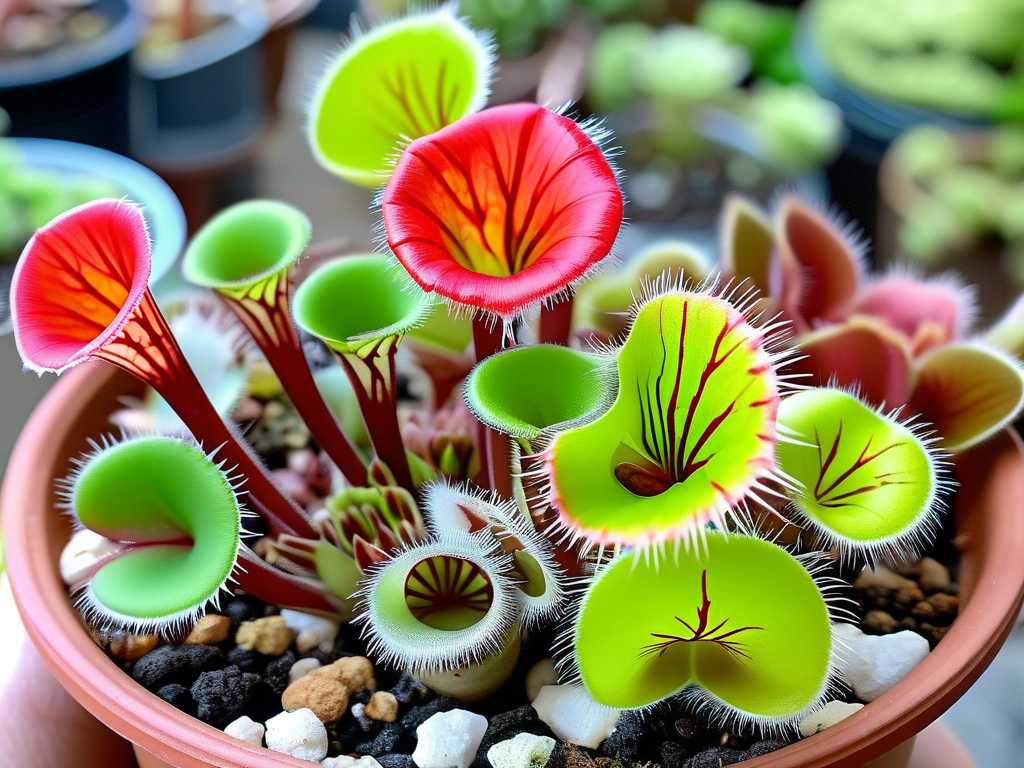
This is the single most important concept. Getting this wrong means your plant has no chance.
Temperate Pinguicula (The Hibernators) These varieties, like Pinguicula vulgaris or P. grandiflora, hail from climates with cold winters. Their life cycle is dramatic. In spring and summer, they produce a flat, sticky “carnivorous” rosette to catch gnats. Come autumn, they undergo a fascinating transformation. They lose these carnivorous leaves and form a tight, dormant bud called a “hibernaculum.” This is not the plant dying; it’s essential rest. I learned this the hard way when I panicked and watered a dormant P. vulgaris, only to watch it rot. According to the International Carnivorous Plant Society (ICPS), temperate species require this cold dormancy period (at or just above freezing) for 3-4 months to survive long-term and bloom vigorously.
Tropical Pinguicula (The Ever-Changers) This large group, including popular species like P. moranensis and P. agnata, originates from Mexico and the Caribbean. They don’t experience a true winter dormancy. Instead, many have a seasonal form change. In their wet summer growing season, they produce large, succulent carnivorous leaves. In the drier winter, they often switch to smaller, tighter, non-carnivorous “succulent-like” leaves. My P. moranensis did this last year, and I initially thought it was starving. I increased feeding, which was a mistake. It was simply adapting to lower light and humidity. The Royal Horticultural Society (RHS) notes that during this winter phase, watering should be slightly reduced to match their slowed growth.
My Hands-On Care Protocol: A 2-Week Observation Log
Here’s the exact routine I follow for my tropical Pinguicula ‘Sethos’ and temperate Pinguicula grandiflora, based on trial and error.
Week 1: Assessment and Setup I always start new plants in quarantine. I inspect for pests and place them in bright, indirect light (an east-facing window). I use a 1:1 mix of perlite and peat moss for both types—it’s airy and low-nutrient. The pot must have drainage. I bottom-water by placing the pot in a tray of distilled or rainwater for 20 minutes, then removing it. This keeps the crown dry, preventing rot, a lesson from losing a beautiful P. ehlersiae to top-watering.
Day 1-3: The ‘Sethos’ (tropical) has dewy leaves. The grandiflora (temperate, just out of dormancy) is producing its first small carnivorous leaves. Both are acclimating.
Day 4-7: I notice a few fungus gnats. This is perfect Pinguicula food. I avoid feeding them anything else. Their leaves are now glistening with sticky mucilage. I ensure the tray is dry between waterings for the grandiflora, but keep the ‘Sethos’ substrate slightly moist at all times.
Week 2: Monitoring and Adjustment Day 8-10: The ‘Sethos’ shows a new leaf forming from the center. The grandiflora’s leaves are expanding. I rotate the pots for even growth. Humidity drops due to indoor heating, so I place the tropical on a wider humidity tray with wet pebbles. The temperate one stays off—it doesn’t need the extra humidity.
Day 11-14: Both plants are visibly trapping gnats. The prey is visibly digested. I resist the urge to “help” them. A common pitfall is overfeeding with fish food or bloodworms, which can rot leaves. I only supplementally feed if there are no insects, and even then, only tiny amounts once a month.
The Core Pillars of Pinguicula Care
Water: The Silent Killer Never, ever use tap water. Dissolved minerals will burn roots and coat leaves, blocking their ability to catch prey. I use distilled water exclusively. My method: the tray system. For tropicals, I maintain a shallow (0.5 cm) reservoir that I let dry out before refilling. For temperate types in growth, I let the tray go completely dry for a day before re-watering. During dormancy, I keep the temperate hibernaculum just barely damp—think slightly moist sphagnum moss, not wet.
Light: The Energy Source Bright, indirect light is key. My plants thrive under 12-14 hours of bright artificial light (LED grow lights) or a sunny windowsill with sheer curtains. Direct, scorching afternoon sun can burn leaves, as I discovered with a bleached P. agnata. Insufficient light leads to etiolation—pale, stretched leaves that lose their stickiness. The American Horticultural Society (AHS) emphasizes that adequate light is crucial for both photosynthesis and the production of digestive enzymes.
Soil and Potting: Let the Roots Breathe They absolutely despise standard potting soil. It’s too rich and dense. My fail-proof mix is equal parts peat moss and perlite. Some growers use pure sphagnum moss or calcined clay. Repotting is best done in early spring as growth resumes. I gently tease old media from the roots and pot into a just-big-enough container. Over-potting leads to soggy, stagnant conditions.
Feeding: They’re Better at It Than You If your plant is outdoors or in a greenhouse with access to gnats and springtails, it needs no help. Indoors, if the leaves are shiny and sticky, they’re working. I only intervene if the plant is in a sealed terrarium. Then, I might place a tiny dried bloodworm on a leaf every few weeks. The key is tiny. A large insect will rot and damage the leaf.
Seasonal Shifts: Navigating Dormancy and Form Changes This is where knowledge of your variety’s difference pays off.
For Temperate Pinguicula: In late autumn, when leaves stop growing and begin to die back, I reduce watering. I help form the hibernaculum by trimming away dead leaves. I then move the pot to a cold (2-5°C / 35-40°F), dark place like an unheated garage or refrigerator (in a sealed bag to prevent drying). I check monthly for excessive dryness.
For Tropical Pinguicula: When day length shortens, I watch for the succulent leaf form. I reduce watering slightly and stop feeding entirely. I keep them in their same bright location. Come spring, with increased light and warmth, I gradually resume normal watering, and the carnivorous leaves return.
Troubleshooting: The Problems I’ve Faced and Solved
Leaves Turning Brown or Black at Base: This is usually crown rot from overwatering or waterlogged media. I immediately unpot, cut away all rot with a sterile blade, and repot in fresh, dry media. I withhold water for a few days. Prevention is better: always use well-draining media and the tray method.
Plant Not Sticky / Losing Dew: The most common cause is low humidity or incorrect water (tap water). I move the plant to a more humid location (but with good air flow) and double-check my water source. Lack of light is another culprit.
Pests: Aphids and mealybugs can attack. I physically remove them with a cotton swab dipped in distilled water. For severe cases, I use a diluted insecticidal soap spray, avoiding the soil. Fungus gnats are not pests here—they’re lunch.
Frequently Asked Questions
Can I grow different Pinguicula varieties together in one pot? I don’t recommend it. Their needs, especially regarding dormancy, are too different. A temperate plant needing a cold, dry winter will perish next to a tropical one needing mild, slightly drier conditions. Group tropicals with tropicals, and temperates with temperates.
Why is my Pinguicula not flowering? Most often, it’s due to insufficient light or missing a dormancy period. Temperate species need that cold rest to trigger blooming. Tropicals need strong, consistent light. Ensure your plant’s seasonal needs are met, and be patient—maturity is also a factor.
How do I propagate my butterwort? The easiest method I use is leaf pullings. In active growth, I gently pull a healthy leaf from the base, place it on damp sphagnum, and cover with a clear lid for humidity. Tiny plantlets form at the base in a few weeks. You can also separate natural offshoots, called “pups,” during repotting.
Mastering Pinguicula care is a rewarding journey of observation and adaptation. It hinges entirely on recognizing whether your plant is a temperate hibernator or a tropical ever-changer. By respecting their natural cycles—providing pure water, airy soil, bright light, and the correct seasonal treatment—you’ll be rewarded not just with survival, but with vigorous growth, fascinating insect-trapping displays, and delicate, beautiful flowers. Start by identifying your variety, mimic its native habitat, and let this remarkable carnivore do what it does best.