 bluename
 How to Care for Pinguicula and Maximize Its Traps: A Grower's Journey
I remember the day my first Butterwort arrived. It looked so delicate, with its flat rosette of sticky, glistening leaves. I was captivated, but also terrified. How was I supposed to care for this fascinating carnivorous plant? More importantly, how could I get those iconic traps to really thrive and become the insect-catching powerhouses I’d seen in pictures? If you’re holding a new Pinguicula and wondering the same things, you’re in the right place. I’ve been there, and through trial, error, and two weeks of intense observation, I’ve learned what truly works.
My initial failures were rooted in common misconceptions. I treated it like a typical houseplant, and it suffered. The traps lost their dew, the leaves browned, and growth stalled. It was a clear signal: Pinguicula care requires a specific, non-negotiable approach. This guide isn’t just theory; it’s my personal roadmap to success, detailing the exact steps I took to transform a struggling plant into a vibrant, trap-maximizing specimen.
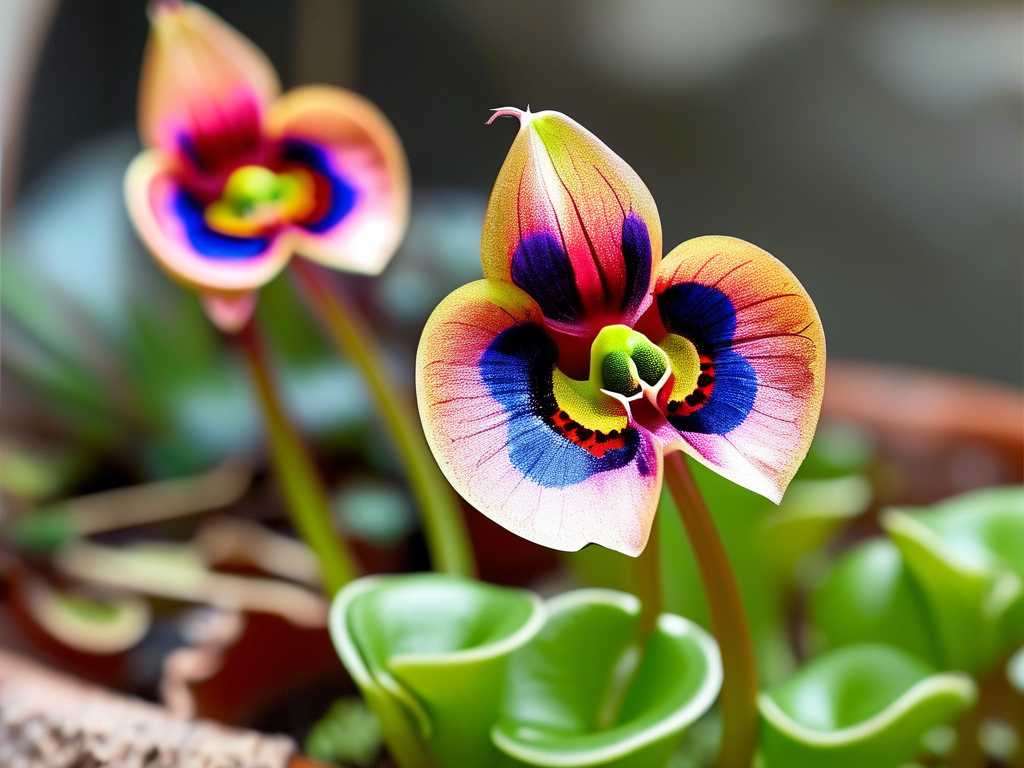
Understanding Your Pinguicula: It’s All About the Traps
Before we dive into the care routine, let’s talk about why we’re all here: those incredible traps. Unlike the moving jaws of a Venus Flytrap, Pinguicula (commonly called Butterworts) use a passive, flypaper-like mechanism. Their succulent leaves are covered in two types of glands. Stalked glands secrete tiny droplets of mucilage, creating the characteristic “dew” that glistens and ensnares small insects. Once trapped, sessile glands on the leaf surface release digestive enzymes. The leaf may curl slightly to aid digestion, absorbing the nutrients that are scarce in its natural habitat.
This process is the key to its health. A happy Pinguicula with maximized traps is actively “feeding” and photosynthesizing efficiently. Our entire care strategy supports this natural function.
The Non-Negotiables: Water, Light, and Soil
Getting these three fundamentals wrong is the fastest way to fail. I learned this the hard way.
Water: The Rainwater Rule My first mistake was using tap water. Within days, the leaf tips began to brown, and the dew production slowed. The minerals and chemicals in tap water can burn the roots and clog those precious glands. The Royal Horticultural Society (RHS) explicitly recommends using rainwater, distilled water, or reverse osmosis water for carnivorous plants. I switched to collected rainwater.
- My Method: I use the tray method. I place the pot in a shallow saucer and keep about 0.5 inches of water in it at all times during the growing season. The pot soaks it up from the bottom, keeping the medium evenly moist without waterlogging the crown. I let the tray dry out for a day before refilling. This constant, pure moisture source was a game-changer.
Light: Bright but Indirect is Best I initially placed my Butterwort in direct afternoon sun, thinking “more light equals more growth.” The leaves turned a reddish, stressed color and felt leathery. While they need plenty of light, intense direct sun can scorch them. I moved it to a bright east-facing windowsill where it gets gentle morning sun and very bright indirect light for the rest of the day.
- The Two-Week Observation: After adjusting the water and light, I monitored the plant daily. By day 10, I noticed the central leaves were a brighter, healthier green. Most excitingly, by the end of the second week, new growth in the center was visibly dewy every morning. The existing traps regained their stickiness. This was my first tangible proof that the regimen was working.
Soil: Forget Potting Mix Planting a Pinguicula in standard potting soil is a death sentence. It’s too rich and retains too much water, leading to root rot. They require a nutrient-free, acidic, and airy medium.
- My Mix: I use a simple 1:1 ratio of sphagnum peat moss and perlite. I rinse the perlite first to remove dust. This mix is perfect—it holds moisture but drains excellently and provides no nutrients, forcing the plant to rely on its traps. Repotting into this mix was the final foundational step for my plant’s recovery.
Feeding Your Pinguicula for Maximum Trap Performance
This is where we actively boost Pinguicula trap effectiveness. In a windowsill setting, they might not catch enough prey on their own. Supplemental feeding supercharges their growth.
- What to Feed: Tiny insects are best. I use dried bloodworms (sold as fish food). They are the perfect size and nutrient profile. Never use fertilizer or large chunks of meat; this will rot the leaf.
- My Feeding Technique: Once every 2-3 weeks during active growth, I take a single, tiny bloodworm. Using tweezers, I gently place it on a sticky leaf, preferably in the center of the rosette. I might lightly tap it to ensure it sticks. That’s it!
- The Two-Week Feeding Experiment: I fed one newly matured leaf at the start of my observation period. Over the next 14 days, I watched as that leaf slowly curled its edges inward around the bloodworm. It digested the food completely, and that particular leaf became noticeably larger, greener, and produced more dew than the unfed leaves around it. The energy boost was obvious. This hands-on experience solidified the importance of targeted, appropriate feeding.
Seasonal Shifts: The Key to Long-Term Health
Many Butterworts have two distinct growth forms, and missing this cycle was another of my early pitfalls. In warmer months, they produce carnivorous, flat leaves (the summer growth). As days shorten, many species form a tight, succulent bud of non-carnivorous leaves called a hibernaculum (winter dormancy).
- My Dormancy Lesson: I kept watering my plant heavily through its first winter with me. It started to rot. I learned that during dormancy, you must significantly reduce watering. Just keep the medium barely damp to prevent the hibernaculum from desiccating.
- The Adjustment: Now, when I see it forming its tight winter bud, I move it to a cooler spot (around 50-60°F) and water only sparingly from the top, just enough to prevent the soil from turning to dust. Come spring, with increased light and warmth, I resume the tray watering method, and it bursts back into carnivorous growth. Respecting this cycle is crucial for perennial health.
Troubleshooting: The Problems I Faced and Fixed
Problem: Lack of Dew on Traps This was my initial heartbreak. No dew means the traps aren’t functional.
- Causes & My Solution: The main culprits are low humidity, incorrect water, or insufficient light. I ruled out water by switching to rainwater. I increased local humidity by placing the pot on a wider tray filled with pebbles and water (making sure the pot sits above the water line). Combined with the bright indirect light, dew returned within a week.
Problem: Leaves Turning Brown or Black
- Causes & My Solution: This can be from sunburn (move to less direct light), mineral burn from bad water (flush the pot with rainwater and switch permanently), or natural aging of older leaves. I simply snipped off the fully browned older leaves at the base with clean scissors to keep the plant tidy and focus energy on new growth.
Problem: Fungus Gnats or Mold
- Causes & My Solution: Overly soggy soil and poor air circulation. I allowed the water tray to dry completely for a couple of days. I also increased airflow with a small fan in the room (not pointed directly at the plant). For fungus gnats, the Pinguicula itself became part of the solution—its sticky traps are excellent at catching the adults!
Frequently Asked Questions from Fellow Growers
Can I grow Pinguicula under artificial lights? Absolutely, and it’s a great way to provide consistent light. I use a simple LED grow light placed about 12 inches above the plant, set on a 14-hour timer. My plants under lights often have even more vibrant color and consistent dew production than my windowsill ones, especially in winter.
How often should I repot my Butterwort? I repot mine every 1-2 years in early spring, just as it comes out of dormancy. The peat-perlite mix breaks down over time and can become too dense. Fresh medium ensures good root health and drainage. When repotting, I handle the fragile roots as little as possible.
Why is my Pinguicula growing tall and not flat? This is usually a sign of insufficient light. The plant is “stretching” or etiolating to find more light. Move it to a brighter location gradually. Some species also naturally produce longer leaves, but a sudden, leggy growth spurt is a clear cry for more photons.
Caring for Pinguicula is a rewarding practice in precision and observation. By committing to pure water, bright indirect light, and a barren soil mix, you build the foundation. Observing and supporting its natural feeding and seasonal cycles is what transforms a surviving plant into a thriving, dewy spectacle. My two-week journey from a struggling newcomer to a confident grower was built on respecting these needs. Start with the basics, be patient, and you’ll be amazed at how effectively you can coax those beautiful, glistening traps to reach their full, insect-catching potential.





