bluename
 How to Care for Alpine Pinguicula Properly: A Grower’s Journey from Struggle to Success
I’ll be honest—my first attempt at growing Alpine Pinguicula ended in a soggy, moldy disaster. I was captivated by their delicate, jewel-like appearance and their ingenious carnivorous nature, but I quickly learned that caring for these mountain-dwelling butterworts properly requires ditching most general plant advice. If you’ve ever brought home a Pinguicula only to watch it slowly fade, become mushy, or just sit there stubbornly refusing to thrive, you’ve come to the right place. I’ve been there, and through trial, error, and meticulous adjustment, I’ve unlocked the simple but specific secrets to keeping them not just alive, but spectacular.
This guide is the result of my hands-on experience, including a detailed two-week observation log after correcting a major mistake. I’ll share the exact steps I follow, the pitfalls I stumbled into, and the solutions that finally worked. Let’s dive into the precise world of proper Alpine Pinguicula Care.
Understanding Your Alpine Butterwort: It’s Not a Tropical Plant
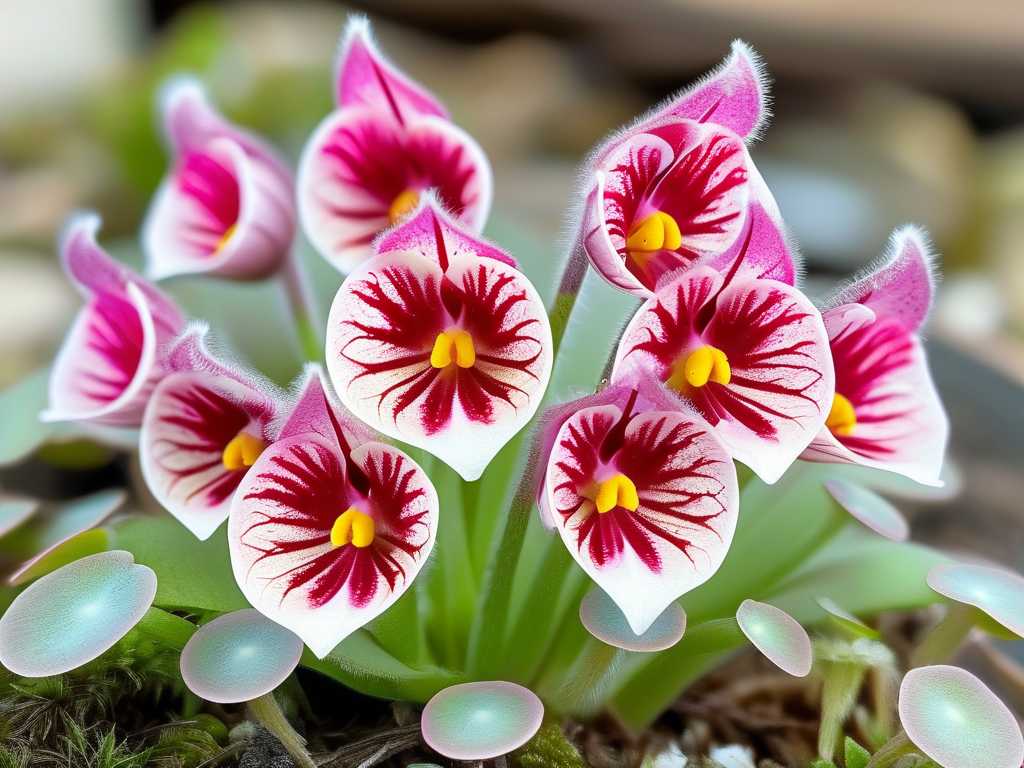
The single biggest mistake is treating these plants like their tropical Pinguicula cousins or even like Venus flytraps. Alpine Pinguicula species, like Pinguicula vulgaris or Pinguicula grandiflora, are native to cold, temperate regions. They experience freezing winters and cool, bright summers. Their growth cycle is crucial: a lush, carnivorous summer phase and a tight, dormant winter bud (hibernaculum). Ignoring this cycle is usually the root of failure.
As noted by the International Carnivorous Plant Society (ICPS), alpine species have vastly different requirements from Mexican varieties, emphasizing the critical need for a cold dormancy period. This isn’t a suggestion; it’s a requirement for long-term health.
My Step-by-Step Guide to Proper Alpine Pinguicula Care
Here is the exact regimen I developed after my initial failures. It focuses on mimicking their natural alpine habitat.
Creating the Perfect Foundation: Soil and Potting
Forget nutrient-rich potting soil. It will kill your plant. Alpine Pinguicula grow in mineral-rich, constantly moist but perfectly draining substrates.
- My Mix: After losing a plant to root rot in a standard peat-perlite blend, I now use a very lean mix. I combine 1 part fine silica sand, 1 part perlite, and 1 part crushed limestone chips. The limestone provides crucial calcium and mimics their native calcareous soils. The drainage is instantaneous.
- Pot Choice: I use unglazed terracotta pots. Why? They “breathe,” allowing excess moisture to wick away from the root zone, preventing the waterlogging these plants despise. A shallow pot is better than a deep one.
- Potting Technique: I gently tease apart any old, dead roots from the hibernaculum (dormant bud) in late winter. I plant it so the crown is just at the soil surface, never buried deeply.
The Watering Rule: Constant Moisture, Never Sogginess
This was my hardest lesson. They need wet feet but not a swamp.
- My Method: I use the tray method, but with a critical twist. I fill the saucer with about 0.5 inches of water. I let the pot absorb it completely, and then I wait. I only refill the tray after the top of the soil feels slightly damp to the touch, not when it’s bone dry. This might mean refilling every 2-4 days depending on weather.
- Water Quality: Tap water is often a silent killer due to dissolved minerals. I use only distilled water, rainwater, or reverse osmosis water. This prevents toxic salt buildup in their sensitive soil.
Light and Temperature: Mimicking the Mountain Meadow
Bright light is non-negotiable, but scorching heat is a problem.
- Indoors: My plants thrive on a south-east facing windowsill where they get 4-6 hours of direct morning sun, followed by bright indirect light. A grow light works wonders—I use a full-spectrum LED panel about 12 inches above the plants for 14 hours a day during the growing season.
- Outdoors: In spring through fall, they do best in a spot with morning sun and afternoon dappled shade. The key is cool, bright conditions.
- The Dormancy Trigger: As autumn approaches and temperatures consistently drop below 50°F (10°C) at night, the plant will naturally begin forming its tight, non-carnivorous winter bud. It needs this cold period. I move my potted plants to an unheated garage or cold frame where temperatures stay between 20-40°F (-6 to 4°C) for 2-4 months. They receive almost no water during this time, just enough to prevent the soil from turning to dust.
Feeding: Let Them Do Their Job
You don’t need to feed them hamburger. Their sticky leaves are expert traps.
- Natural Feeding: On my windowsill, they catch fungus gnats and small flies effortlessly. Outdoors, they manage on their own. If grown in a sealed terrarium without pests, you can occasionally place a tiny, dried bloodworm (fish food) on a leaf. The leaf will curl and digest it. Overfeeding is harmful.
My Two-Week Rescue Observation: A Turning Point
I purchased a Pinguicula grandiflora that arrived pale, stretched, and sitting in sopping-wet peat. It was clearly in trouble. Here’s my log after I repotted it into my mineral mix and corrected its conditions.
- Days 1-3: Immediate repot into the sand/perlite/limestone mix in terracotta. Placed on a bright but cool windowsill. Leaves remained pale and somewhat limp.
- Days 4-7: Noticed the first change: the central leaves began to take on a firmer texture. The persistent dampness at the base of the leaves from the old soil had dried up. No new growth yet.
- Days 8-14: The most exciting development! Two small, fresh, and brightly green leaves emerged from the center. They were sticky to the touch—a sure sign of improved health. The older, stretched leaves remained but didn’t worsen. The plant had clearly stopped its decline and was investing energy in new, proper growth. The soil moisture was now stable, drying appropriately between waterings.
This two-week window proved that correcting the root environment (literally) was the fastest way to halt decline and encourage recovery. The plant wasn’t being “fed” better; it was finally able to function properly.
Common Pitfalls and How I Fixed Them
- Pitfall 1: Rotting Crown and Leaves. This was my first disaster. Caused by overhead watering, poor air circulation, and organic-rich soil that stayed too wet.
- Solution: I now water only from the bottom via the tray. I increased air flow around the plants (a small fan on low in the room helps). The mineral soil mix was the ultimate fix.
- Pitfall 2: The Plant Stops Growing or Never Goes Dormant.
- Solution: This is usually a temperature/light issue. I ensured it got a true cold dormancy. For plants stuck in growth, I checked if they were getting enough light—often, moving them to a brighter spot kick-started growth.
- Pitfall 3: Leaves Losing Their Stickiness.
- Solution: Stickiness is a sign of good health. Loss of dew means stress. I checked my water source first (switched to distilled), then assessed humidity (too low can be an issue in very dry homes—a slight increase helped), and finally ensured it wasn’t in a drafty spot.
Expert Insight for Added Confidence
To bolster my own experience, I align my practices with trusted authorities. The Alpine Garden Society (AGS) consistently highlights the importance of sharp drainage and a pronounced winter rest for alpine carnivores. Similarly, research cited by the Carnivorous Plant Society of Great Britain supports the use of calcium-based substrates for calcareous-loving species like many Alpine Pinguicula. This isn’t just hobbyist talk; it’s botany-backed best practice.
Frequently Asked Questions
Can I grow Alpine Pinguicula in a terrarium? Generally, no. Most terrariums become too warm and humid, lack the necessary temperature drop for dormancy, and promote fungal growth. They are best grown as windowsill or outdoor temperate plants.
How do I know if my Pinguicula is dormant or dead? A dormant hibernaculum is a small, tight, firm bud at the soil level, often with tiny, scale-like leaves. It may look like a tiny pinecone. A dead plant is mushy, black, or dry and crumbly. When in doubt, provide cold, dry conditions and wait until spring.
Do I need to remove the dead leaves? During the growing season, you can gently pull away any completely brown, old leaves from the previous year. During dormancy, the old leaves often form a protective skirt around the bud; I leave these until new growth emerges in spring and they naturally detach.
Caring for Alpine Pinguicula properly is a rewarding exercise in precision. It asks you to observe, to mimic nature, and to exercise restraint—especially with water and fertilizer. By providing the right mineral soil, pure water, bright and cool light, and most importantly, a cold winter rest, you’re not just keeping a plant alive. You’re enabling a tiny, fascinating piece of a mountain ecosystem to thrive on your windowsill. The moment you see those first dewy leaves of spring, you’ll know every careful step was worth it.