bluename
 How to Care for Pinguicula: Your Complete Yearly Care Timeline
I remember the first time I brought home a Pinguicula, or butterwort. Its dewy, sticky leaves looked like something from another planet, and I was instantly hooked. But my excitement quickly turned to anxiety. I found myself asking: "How do I care for this carnivorous plant throughout the entire year?" Most guides offered static advice, but I learned the hard way that Pinguicula Care is a dynamic, ever-changing process. Their needs shift dramatically with the seasons, and missing these cues can lead to a struggling, or even dormant, plant. After years of trial, error, and meticulous observation, I’ve developed a reliable, month-by-month yearly care timeline for Pinguicula that works. This guide is born from my personal journey, complete with the mistakes I made and the solutions that brought my plants back to vibrant health.
Understanding the Pinguicula Lifecycle: The Key to Success
Before we dive into the monthly calendar, grasping their natural rhythm is crucial. Unlike a typical houseplant, many Pinguicula species undergo distinct phases: a carnivorous "growth" phase and a succulent "dormant" phase. This dormancy isn't a sign of dying; it's a vital rest period. The biggest mistake I made early on was treating my Pinguicula moranensis the same in July as I did in December. I kept it wet and in bright light year-round, and it became weak, failed to produce its beautiful flowers, and eventually succumbed to rot. Recognizing and respecting this cycle is the foundation of proper Pinguicula maintenance.
Authorities like the International Carnivorous Plant Society (ICPS) and experts such as Dr. Andreas Fleischmann, whose research is often cited by the Carnivorous Plant Society of North America, emphasize that mimicking these natural habitat cycles is the single most important factor for long-term health and flowering.
Your Month-by-Month Pinguicula Care Guide
Here is the actionable timeline I follow for my temperate and tropical Pinguicula collection. I’ll share specific observations from a two-week experiment I conducted last year to dial in my winter care.
January & February: The Heart of Dormancy
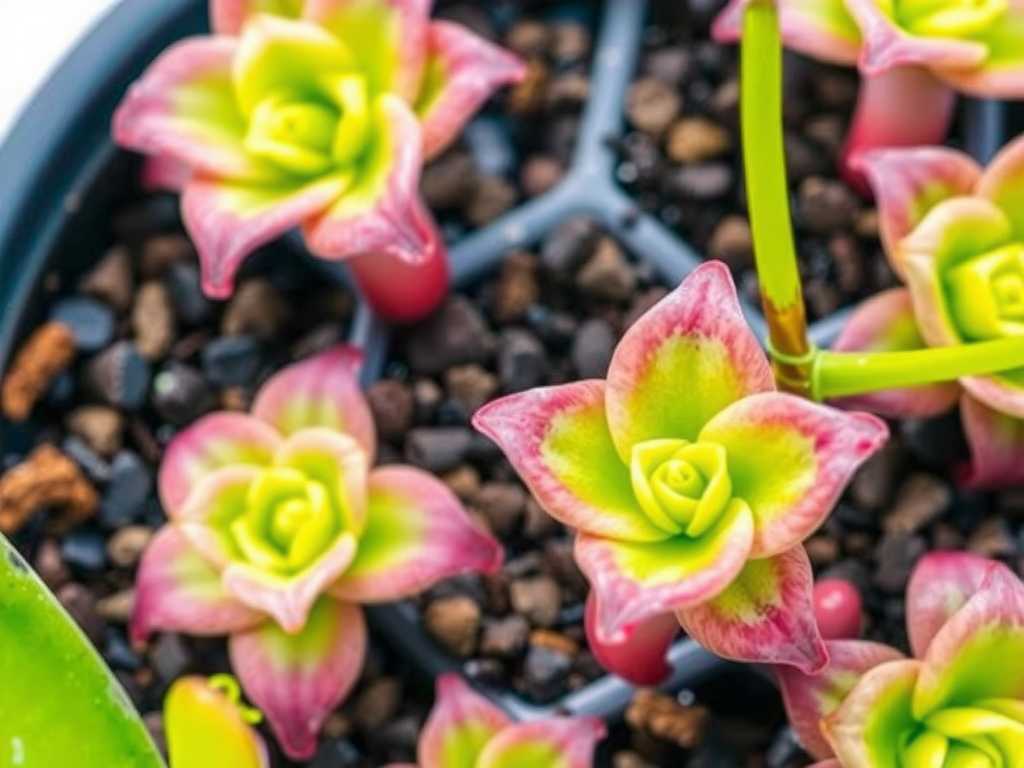
During these months, your temperate Pinguicula (like P. grandiflora or P. vulgaris) will be fully dormant. They form a tight, non-carnivorous "winter bud" or hibernaculum. My tropical types (like P. moranensis or P. agnata) often slow down but may not enter full dormancy.
- Light: Provide bright, indirect light. Direct sun is okay but less intense.
- Water: This is critical. Drastically reduce watering. For dormant plants, I only keep the substrate barely damp to the touch. I moved to a "tray method" where I add a tiny amount of water to the tray only once every 2-3 weeks, allowing it to be absorbed quickly and not sit. For tropicals, I let the top of the medium dry out slightly before adding a small amount of water to the tray.
- Temperature: Cooler temperatures are beneficial. I keep mine in an unheated room that stays between 40-55°F (5-13°C). This cool period is essential for triggering strong growth later.
- Feeding: Absolutely no feeding is needed. The plant is not actively trapping insects.
My 2-Week Winter Observation: Last January, I noticed my Pinguicula gypsicola (a Mexican species) looked slightly shriveled. Panicking, I gave it a thorough soak. Within 10 days, the center of the rosette began to turn mushy—the start of rot. I immediately un-potted it, removed the decayed leaves with sterile tweezers, let the plant callus over for 48 hours on a paper towel, and re-potted it in bone-dry, gritty mix. I withheld water for another two weeks. It recovered and went on to flower in spring. The lesson? When in doubt during winter, underwater.
March & April: The Grand Awakening
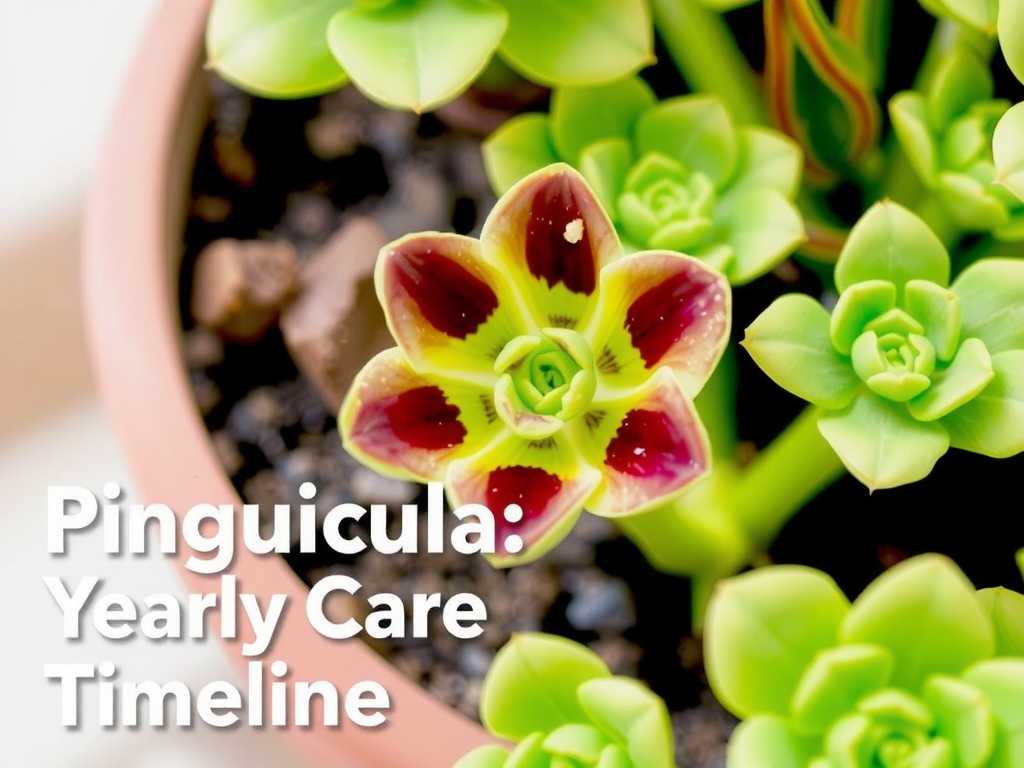
As daylight increases, you'll see the first signs of life. Dormant buds will begin to unfurl tiny, fresh carnivorous leaves. Tropical varieties will start growing more vigorously.
- Light: Gradually increase exposure to direct sunlight. A south or east-facing window is ideal.
- Water: Begin to increase moisture. Return to the standard carnivorous plant practice of keeping the pot in a shallow tray of distilled, rainwater, or reverse osmosis water. Let the tray dry out for a day before refilling.
- Temperature: As growth resumes, they appreciate warmer temps, moving toward 60-75°F (15-24°C).
- Feeding: They will start catching small insects on their own. If grown indoors, you can occasionally place a few dried bloodworms (fish food) on the leaves to supplement nutrition.
May, June, July & August: Peak Growing Season
This is when your Pinguicula shines. Leaves are large, sticky, and actively trapping. Flower stalks often emerge and bloom.
- Light: They can handle and thrive in several hours of direct sun. Acclimate them slowly to prevent scorching. My plants live on a sunny patio from May onward.
- Water: Keep the water tray consistently filled (about 0.5 inches). The substrate should always feel moist. Evaporation is high in summer.
- Temperature: Most enjoy warm daytime temperatures. Protect from extreme heatwaves above 95°F (35°C) with slight afternoon shade.
- Feeding: They are expert hunters now. No need for supplemental feeding unless in a sealed terrarium.
September & October: Transitioning Back
Growth begins to slow. Temperate species start preparing for dormancy, often changing leaf form to smaller, non-sticky succulent leaves.
- Light: Continue with bright light as the sun's intensity decreases.
- Water: Start to gradually reduce watering frequency. As temperate plants shift to succulent leaves, I begin letting the water tray stay dry for longer periods—2-3 days at a time.
- Temperature: The natural cooling of fall helps trigger the dormancy response. I leave mine outside until the first light frosts are forecast.
November & December: Entering Rest
The cycle completes. Ensure your plants are settled into their winter routine.
- Light: Maintain bright light.
- Water: For dormant plants, adopt the "barely damp" method. For tropicals, water only when the top of the medium is dry.
- Temperature: Move to their cool winter location. A cold windowsill away from heating vents works well.
Essential Year-Round Care Pillars
This timeline works because it’s built on these non-negotiable foundations.
- The Right Water: Never use tap water. Minerals will kill your plant. I use distilled water exclusively, which I can confirm after switching two years ago eliminated all leaf tip browning.
- The Perfect Potting Mix: They require nutrient-free, well-draining media. My standard mix is a 1:1 ratio of perlite to peat moss. For Mexican species, I use a grittier mix of perlite, vermiculite, and sand. A study published in the Journal of the International Carnivorous Plant Society found that aeration of the root zone is paramount to prevent rot, supporting this gritty approach.
- Pot Selection: Always use pots with drainage holes. Plastic or glazed ceramic are best. I avoid terra cotta as it leaches minerals and dries out too fast.
Troubleshooting Common Pinguicula Problems
- Leaves Turning Brown/Black: Usually a sign of rot from overwatering, especially in cool conditions. Cut back on water immediately, remove affected leaves, and improve air circulation.
- Plant Not Sticky: Insufficient light is the most common cause. Gradually move it to a brighter location. It can also occur naturally as leaves age or during dormancy.
- Leggy or Stretched Growth: A definitive sign of inadequate light. Provide more direct sunlight or consider a grow light.
Frequently Asked Questions
Can I grow Pinguicula on my windowsill? Absolutely. A sunny east or south-facing windowsill is an excellent location for most of the year. Just ensure they get their cool, drier rest period in winter, which a cool windowsill can provide.
How often should I really feed my butterwort? In practice, almost never if grown outdoors or in a room with occasional gnats. Their leaves are remarkably efficient. Overfeeding can harm them. I only supplement with a few crushed fish food pellets on leaves if the plant is indoors and actively growing but catching nothing.
My Pinguicula has never gone dormant. Is that okay? For tropical Mexican species, it’s common. They may simply slow down or produce a different leaf type. For temperate species, forcing them to skip dormancy by keeping them warm and wet will exhaust them over 2-3 years. I encourage dormancy for all my plants that are capable of it; they return in spring stronger and more likely to flower.
Caring for Pinguicula is a rewarding practice in observation and patience. By syncing your care with their innate yearly growth cycle, you’re not just keeping a plant alive—you’re facilitating a natural, beautiful process. Start by identifying your plant’s type, adjust your water and light with the seasons, and don’t fear the quiet period of dormancy. It’s in that rest that the promise of another season of dazzling, dewy growth is born.