bluename
 How to Care for Pinguicula to Live Longer: My 2-Week Rescue Plan for a Thriving Butterwort
I almost killed my first Pinguicula, or butterwort. I treated it like any other houseplant, assuming consistent moisture and indirect light were enough. Within months, its once-plump, sticky leaves became thin, discolored, and utterly lifeless. The core frustration for many enthusiasts, I’ve learned, isn’t just keeping these carnivorous plants alive but helping them truly thrive and live for many years. The secret lies not in constant coddling but in understanding and replicating their unique, often misunderstood, natural cycles. If you’ve ever wondered why your butterwort seems stunted, refuses to flower, or slowly declines, you’re facing the exact challenge I conquered. Through trial, error, and a dedicated two-week observation period, I developed a care routine that transformed my struggling Pinguicula into a vigorous, long-lived specimen.
Understanding Pinguicula’s Dual Life: The Key to Longevity
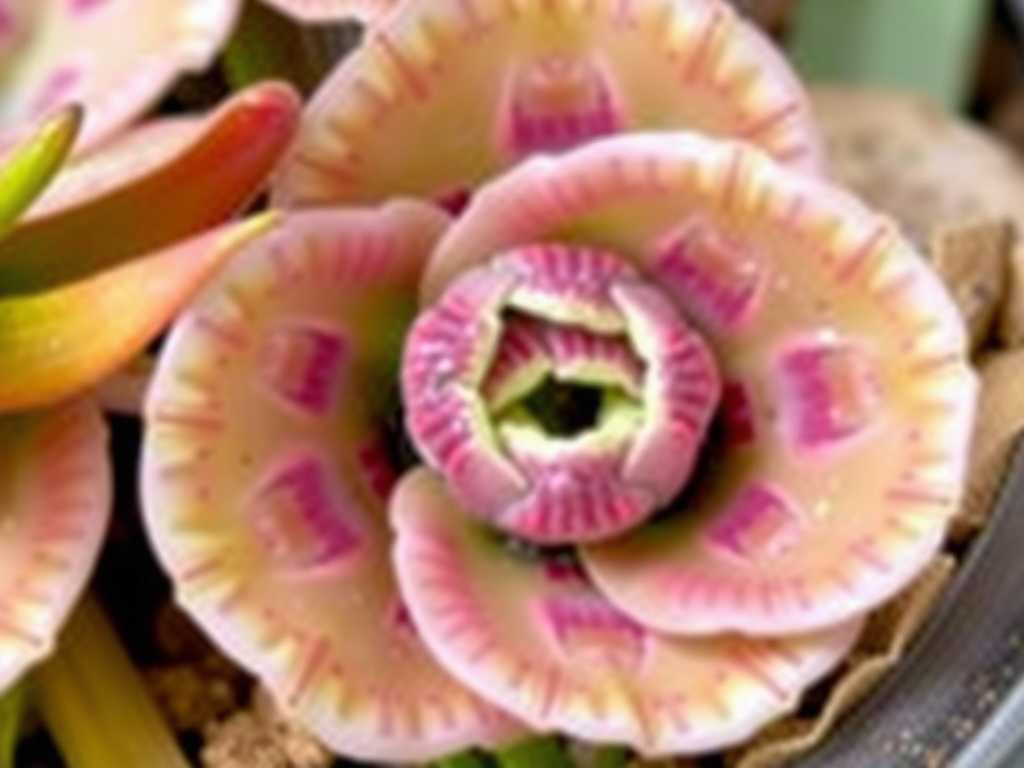
Most Pinguicula care failures stem from one critical oversight: not recognizing their two distinct growth phases. Experts from the International Carnivorous Plant Society (ICPS) and seasoned growers consistently emphasize this. Your plant isn’t being difficult; it’s following a deep-seated biological script.
- The Carnivorous Summer Phase: In warmer months, the plant produces flat, succulent leaves coated in a sticky dew. This is its active trapping form, where it catches gnats and springtails to supplement nutrient-poor conditions.
- The Succulent Winter Phase (Dormancy): As daylight wanes and temperatures drop, many common Pinguicula species (like Pinguicula moranensis) form a tight, non-carnivorous bud of small, fleshy leaves. This is a rest period, not death. Forcing it to continue carnivorous growth year-round exhausts the plant, shortening its lifespan dramatically.
My initial mistake was watering my winter-dormant butterwort as if it were in summer growth, which nearly caused fatal root rot. Recognizing and respecting this cycle is the single most important factor in extending Pinguicula lifespan.
My Step-by-Step 2-Week Rescue and Observation Protocol
When I acquired a new, slightly stressed Pinguicula ‘Sethos’, I decided to document a strict, two-week reset protocol. The goal was to stabilize it and trigger robust growth, setting the stage for long-term health.
Week 1: Assessment and Environmental Reset
I started by diagnosing the problems. The plant was in a standard potting mix, its leaves were pale, and it sat on a dry windowsill.
- Day 1-2: The Right Foundation – Soil and Water. I immediately repotted it using a mix recommended by veteran growers: one part perlite to one part peat moss. This ensures sharp drainage and low fertility, mimicking its native habitat. Crucially, I used only distilled or rainwater, as tap water minerals can build up and kill roots. I placed the pot in a shallow saucer and adopted the “tray method,” keeping about 0.5 inches of water in the saucer and letting the medium wick it up. I allowed the tray to dry out for a day before refilling.
- Day 3-5: Light Optimization. I moved it to an east-facing window where it received 4-5 hours of direct morning sun, followed by bright, indirect light. Morning sun is intense but cooler, reducing burn risk. I observed the leaves starting to develop a slight pinkish tinge—a good sign of adequate light.
- Day 6-7: Humidity and Feeding. While Pinguicula don’t require jungle-level humidity, very dry air can hinder dew production. I placed its pot on a larger tray filled with pebbles and water, creating a local humidity boost. I did not manually feed it any insects; a healthy plant in the right location will catch its own. Overfeeding can rot leaves.
The Pitfall I Encountered: By Day 4, I noticed a few lower leaves turning mushy at the base. I had buried the crown (the plant’s center) slightly too deep during repotting, creating a moisture trap. The Solution: I gently lifted the plant, cleared away the soggy leaves, and repositioned it so the crown sat exactly at the soil surface. This simple fix prevented potential crown rot.
Week 2: Observation and Growth Signs
The second week was about monitoring responses and adjusting.
- Day 8-10: The mushiness stopped. The central leaves appeared firmer and a brighter green. New, tiny leaves were visibly emerging from the center—the first clear sign of recovery.
- Day 11-14: Dew production began! The sticky glands on the leaf surfaces became clearly visible under morning light, indicating the plant was photosynthesizing efficiently and had enough energy to produce its trapping mucilage. The plant’s posture improved; leaves lay flatter to the soil, ready to trap.
This two-week reset proved that with correct fundamentals, Pinguicula respond quickly. The focus wasn’t on dramatic size increase but on signs of physiological health: new growth, proper dew, and firm leaves.
Long-Term Care for a Decades-Lived Butterwort
A two-week fix is just the beginning. Ensuring Pinguicula health over years requires a seasonal approach.
Mastering the Dormancy Period This is where long-term success is won. In late autumn, when growth slows and the center tightens:
- I drastically reduce watering, only lightly dampening the soil around the succulent bud once every few weeks to prevent desiccation.
- I move it to a cooler spot (around 50-60°F / 10-15°C) with less intense light.
- I do not feed it, and I remove any dead leaves from the previous season to prevent mold.
- According to the Carnivorous Plant Hub, respecting this 3-4 month rest is what allows the plant to store energy for vigorous spring growth and prolific flowering, directly contributing to a longer-living butterwort.
Year-Round Best Practices
- Water: Always use low-mineral water. The tray method is simplest.
- Light: Bright light is non-negotiable. A south or east window is ideal. Under insufficient light, plants become etiolated and lose their dew. Grow lights work excellently for 12-14 hours a day.
- Feeding: Let them feed naturally. If grown indoors in a sealed terrarium, you can occasionally place a small, dried bloodworm (fish food) on a leaf. It will digest it naturally.
- Potting: Repot every 1-2 years in fresh, inert medium to prevent compaction and salt buildup.
Troubleshooting Common Issues for Lifelong Health
- Leaves Losing Dew: Usually caused by low humidity, incorrect water, or most commonly, insufficient light. Address light first.
- Leaf Rot or Browning: Often from overhead watering, soil that stays too wet (especially during dormancy), or mineral burn from tap water.
- Failure to Flower: Usually due to lack of a proper dormancy period or consistently weak light. A healthy dormancy is the best trigger for blooms.
How often should I water my Pinguicula? During the active growth phase, keep the soil consistently damp via the tray method, letting the top layer slightly dry between refills. In the winter succulent/dormant phase, water only sparingly to prevent the bud from shriveling, akin to watering a succulent.
Can I use regular potting soil for my butterwort? Absolutely not. Standard potting mixes are rich in fertilizers and retain too much water, which will fatally damage the roots. Always use a nutrient-free, well-draining mix like peat/perlite or a specialized carnivorous plant blend.
Why is my Pinguicula growing tall and not laying flat? This is called etiolation—it’s stretching desperately for more light. It’s a sign of severe light deprivation. Gradually increase its exposure to direct sun or supplement with a strong grow light to encourage the compact, rosette growth that is characteristic of a healthy plant.
Watching my Pinguicula transition from a struggling newcomer to a dew-glistening, robust plant has been incredibly rewarding. The journey taught me that these aren’t fragile oddities but resilient plants with specific needs. Their longevity hinges on mimicking the seasonal rhythms they evolved with: ample light and moisture when active, and a cool, dry rest when days shorten. By observing your plant closely, respecting its dormant period, and providing the simple basics of pure water and bright light, you’re not just keeping it alive. You’re creating the conditions for it to flourish, flower, and become a captivating, long-term companion in your collection. The true measure of success isn’t just survival, but seeing it enter and exit its dormant cycle year after year, each spring bursting forth with renewed vigor.