bluename
 How to Care for Clumping Pinguicula Properly: A Grower's 2-Week Trial and Error Guide
If you've ever brought home a stunning clumping pinguicula, only to watch its vibrant rosettes turn mushy or its sticky leaves dry up, you're not alone. I've been there, staring at a struggling butterwort and wondering where I went wrong. The unique charm of these carnivorous plants, with their glistening, insect-trapping foliage and tendency to form beautiful clusters, comes with specific needs that aren't always obvious. After killing my fair share through trial and error, I decided to document a proper, start-to-finish care routine. I committed to a focused, two-week observation period with a new clumping Pinguicula hybrid, meticulously tracking its response to adjustments in water, light, and soil. Here’s everything I learned—the successes, the near-disasters, and the simple fixes that brought my plant back to thriving health.
Understanding Your Clumping Butterwort
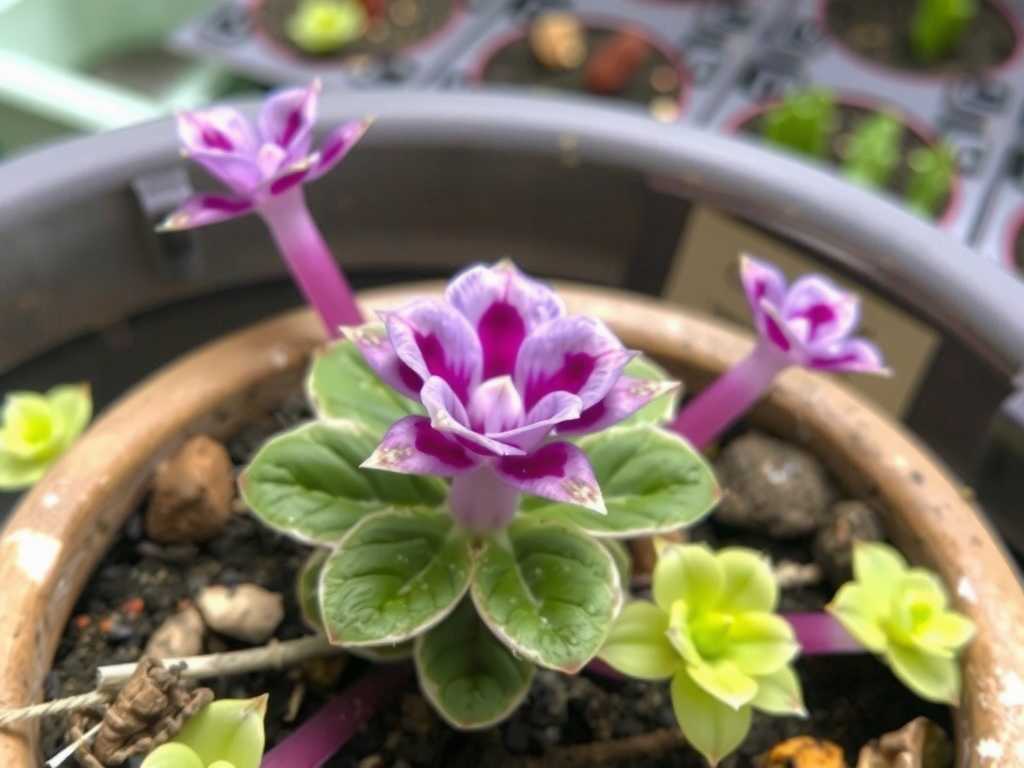
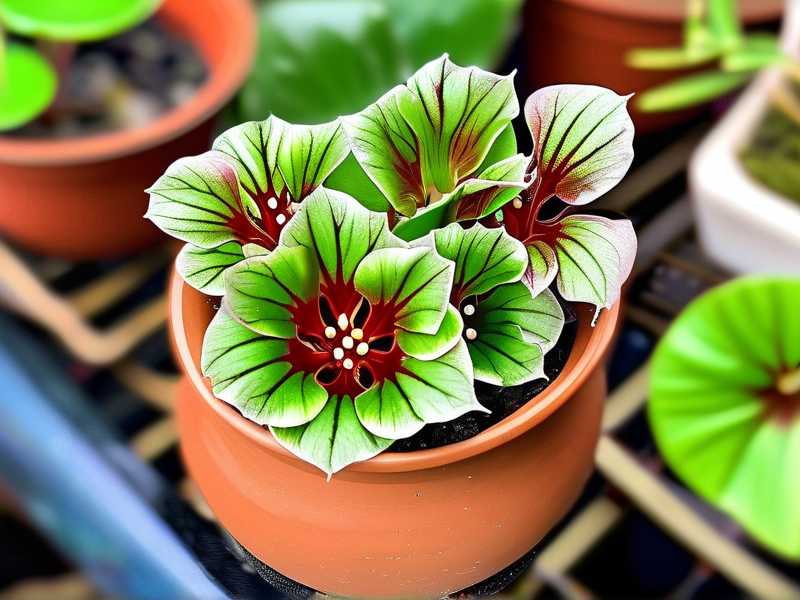
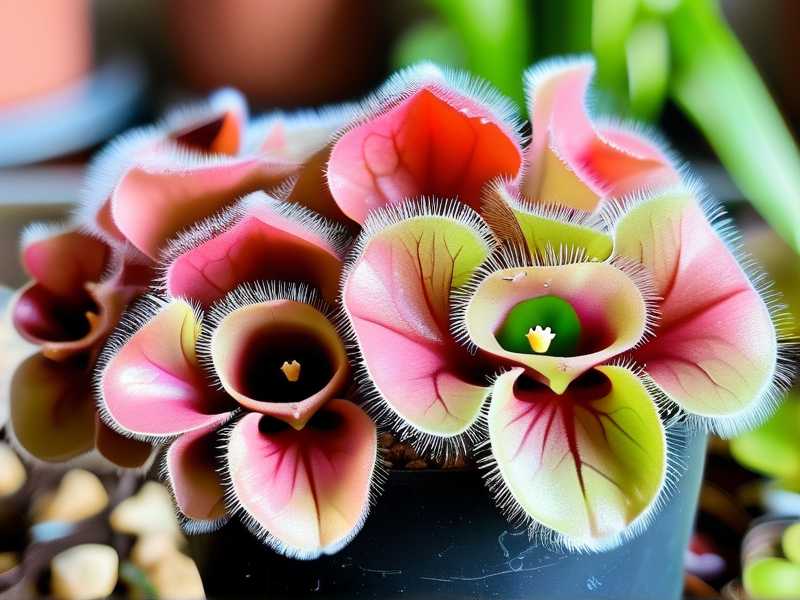
First, let's clarify what we're dealing with. Clumping pinguicula, often called butterworts, are carnivorous plants that grow in tight, ever-expanding clusters of rosettes, unlike the single-rosette varieties. They have two main leaf types: flat, succulent "winter leaves" for dormant seasons and sticky, carnivorous "summer leaves" for growth and bug-catching. Their care hinges on mimicking their natural, nutrient-poor habitats like limestone outcrops or mossy banks. Getting this environment wrong is the fastest path to failure. As noted by experts from the International Carnivorous Plant Society (ICPS), the single most common mistake is treating them like typical houseplants, particularly with potting mix and water.
The Essential Pillars of Proper Clumping Pinguicula Care
My two-week experiment revolved around dialing in three non-negotiable elements: the growing medium, water quality, and light exposure. I started with a plant that was healthy but not actively growing, aiming to trigger visible improvement.
Getting the Foundation Right: The Perfect Soil Mix
I can't stress this enough: standard potting soil will kill your butterwort. It's too rich and retains far too much moisture, leading to root rot. The ICPS and other authorities like the Carnivorous Plant Hub consistently recommend an airy, inorganic, and nutrient-free medium.
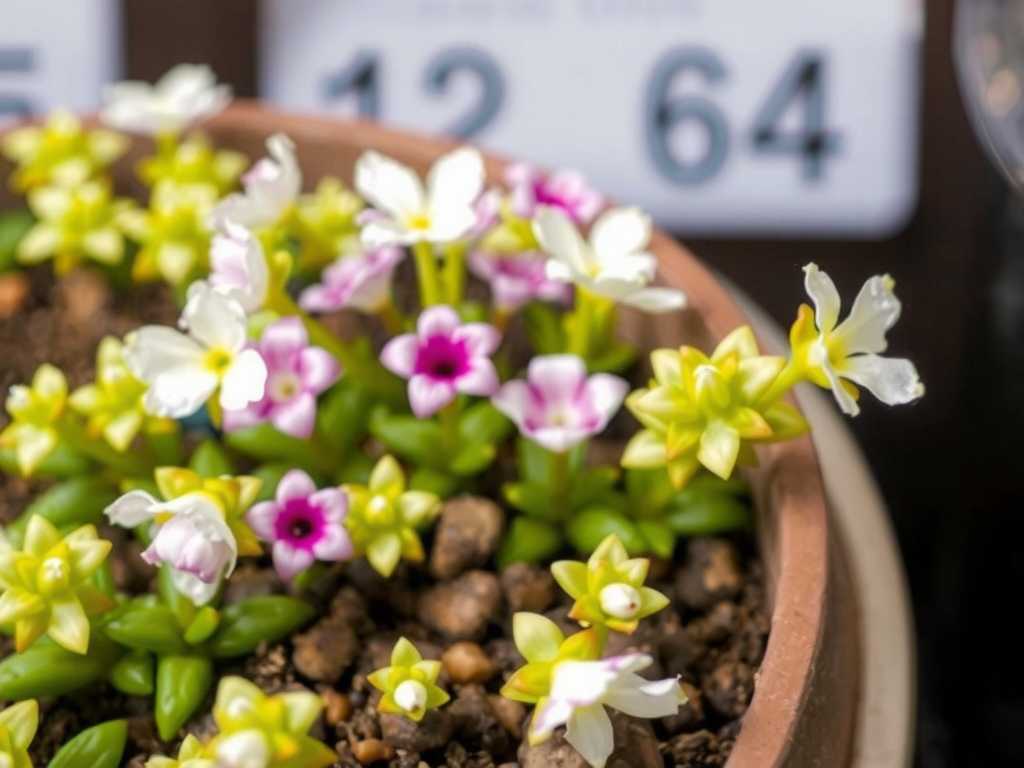
- My Recipe: I used a 1:1 mix of pure perlite and horticultural pumice. Some growers add a small portion of crushed limestone or silica sand for species that prefer alkaline conditions.
- The Process: I gently bare-rooted my plant, rinsed its delicate roots with distilled water, and potted it in a shallow, wide pot with excellent drainage. The shallow pot is key—their root systems are surprisingly shallow.
- Week 1 Observation: For the first few days, the plant looked a bit shocked (which is normal after repotting). However, by day 5, I noticed the central rosette seemed firmer. The old leaves perked up slightly, a sign the roots were beginning to access moisture without being waterlogged.
Water: The Make-or-Break Factor
This was my biggest historical pitfall. How to water clumping pinguicula is a question with a very specific answer. They are sensitive to minerals and chemicals found in tap water, which cause leaf burn and eventual decline.
- The Right Method: I used the "tray method." I placed the pot in a saucer and kept about 0.5 inches of water in it at all times during the active growing season. I used only distilled water or reverse osmosis water. I let the tray dry out completely for one day before refilling.
- The Mistake I Made (Week 1): In my zeal, I overfilled the tray, submerging the base of the pot in nearly an inch of water for three days. By day 4, the outermost leaves on one rosette began to yellow and soften—early signs of rot.
- The Fix: I immediately removed the pot from the tray, let it drain thoroughly on a rack for 24 hours, and then returned it to a tray with the correct, minimal water level. Within 48 hours, the yellowing stopped, and the plant stabilized. This incident underscored the fine line between "moist" and "soggy."
Lighting for Lush Growth and Vibrant Color
Proper lighting for butterworts is crucial for compact growth and that beautiful, sticky dew on their leaves. Insufficient light leads to etiolation—pale, stretched, and weak growth.
- My Setup: I placed my plant under a full-spectrum LED grow light, about 10 inches above the leaves, for 14 hours a day. A bright south or east-facing windowsill can also work.
- Week 2 Transformation: This is where the most dramatic change happened. After correcting the water issue, the consistent, strong light worked wonders. By the end of the second week, the center of the main rosette showed vibrant, new growth. Most excitingly, the new leaves were distinctly wider, stickier, and more carnivorous in appearance than the older ones. The plant also developed a slight pinkish blush on its leaf edges, a sign of good light exposure.
Feeding and Fertilizing: A Delicate Balance
Since their soil has no nutrients, they get them from insects. But what if you grow them indoors?
- My Approach: I did not actively feed it during these two weeks. However, the stickier leaves from proper care did catch a few fungus gnats. According to the Carnivorous Plant Care website, a very dilute fertilizer can be applied to the leaves occasionally. I plan to try this in the future, but for this initial period, I wanted to observe the effects of the core environmental changes alone.
- Key Takeaway: It's far more important to get water and light right than to worry about feeding. A healthy plant will catch its own food.
Long-Term Maintenance and Seasonal Shifts
After my intensive two-week watch, the plant was on a clear upward trajectory. But care for clumping pinguicula changes with the seasons.
- Winter Care/Dormancy: Many species form tight, non-carnivorous winter buds. During this time, they need less light and must have drier conditions. I will gradually reduce watering, allowing the soil to become just barely damp, and reduce photoperiod to 8-10 hours.
- Propagation: The joy of clumpers is that they propagate themselves! You can gently separate smaller rosettes from the main clump in early spring and pot them individually. My plant hasn't produced offsets yet, but the new growth suggests it's gearing up to do so.
What is the best potting mix for a clumping butterwort? Avoid all organic-rich soils. The best mix is a very well-draining, inorganic blend. I've had success with a simple 50/50 mix of perlite and pumice. Some growers add crushed coral or limestone chips for certain species. The goal is a mix that stays moist but never soggy and provides zero nutrients.
Can I use tap water for my pinguicula if I let it sit out? No. Letting tap water sit evaporates chlorine but does not remove dissolved minerals like calcium and magnesium, which are harmful. Consistent use of tap water will lead to a buildup of these minerals in the soil, causing leaf tip burn and poor health. Always use distilled water, reverse osmosis water, or clean rainwater.
My clumping pinguicula's leaves are turning brown and soft at the base. What's wrong? This is almost always a sign of rot caused by excessive moisture or poor air circulation. Immediately stop top-watering, remove the plant from any water tray, and let the potting medium dry out significantly. Check the roots and crown for mushiness. You may need to repot into fresh, dry medium and remove any completely rotted parts. Prevention is key: use the tray method carefully and ensure the pot and medium drain exceptionally well.
Seeing your clumping pinguicula thrive is incredibly rewarding. It boils down to respecting its unique nature: treat it to bright light, pure water, and a barren, rocky home. My two-week journey from a stable plant to one pushing vibrant new growth confirmed that correcting even small errors—like an overfilled water tray—yields immediate, visible results. Pay close attention to what your plant is telling you through its leaves. With these foundational practices in place, you can enjoy the fascinating sight of a healthy, dewy clump of butterworts catching pests and flourishing on your windowsill for years to come.