 bluename
 How to Care for Pinguicula with Single Rosette: A Grower's Personal Journey
I remember the day I brought home my first single-rosette Pinguicula, a tiny, jewel-like Pinguicula moranensis. It looked perfect, a solitary, dewy rosette promising fascinating insect-trapping action. But within weeks, I watched in dismay as its leaves began to curl and lose their sticky sparkle. I was making classic mistakes, treating it like my other carnivorous plants. If you're struggling to keep your single, non-dividing butterwort thriving, you're not alone. The care for a Pinguicula with single rosette is uniquely specific, and through trial, error, and two weeks of dedicated observation, I've cracked the code.
My goal here is to walk you through the exact, practical steps I now follow, sharing the pitfalls I encountered and the simple fixes that transformed my plant's health. This isn't just theory; it's a hands-on guide from one enthusiast to another.
Understanding Your Single-Rosette Butterwort
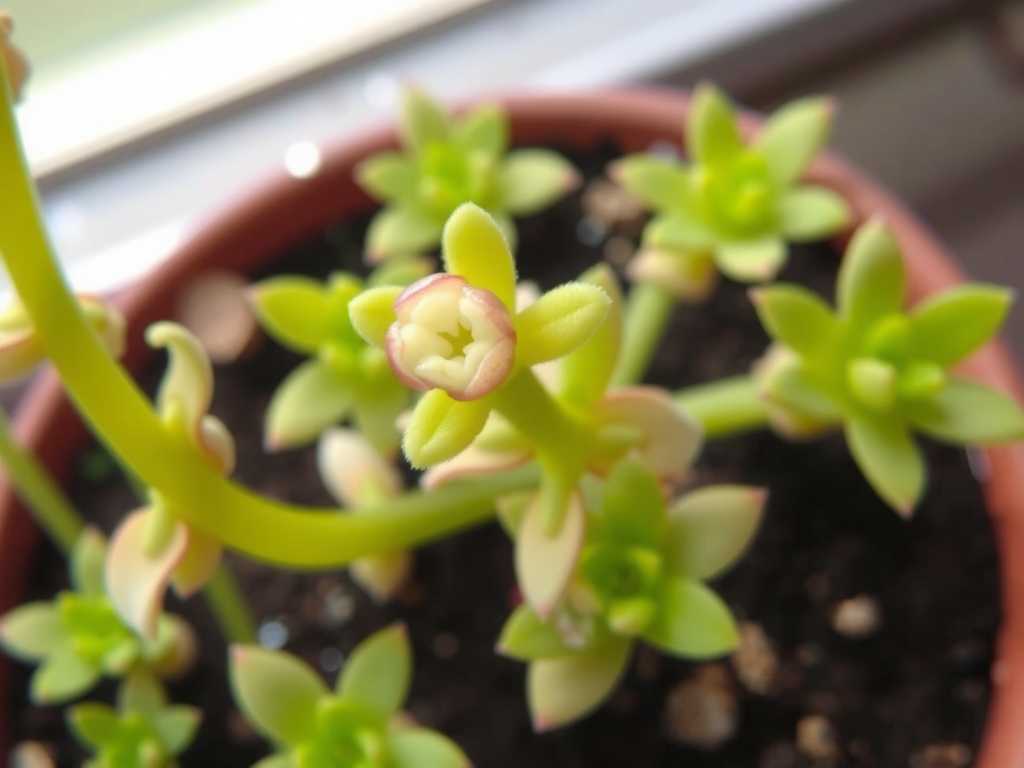
First, let's clarify what we're dealing with. Many Pinguicula species grow in a tight cluster of multiple rosettes. A single rosette Pinguicula, however, maintains one central growth point. Examples include certain forms of P. gigantea, P. laueana, and many juvenile or recently propagated plants. Their care differs because they lack the "safety net" of multiple growth points; if the central crown rots, the entire plant is at risk. As noted by the International Carnivorous Plant Society (ICPS), the single-rosette growth phase is often the most critical for establishing a strong plant.
The Non-Negotiables: Water, Light, and Soil
This is where I made my biggest initial error. Assuming all carnivores are the same, I used a standard peat-perlite mix and kept the pot sitting in a tray of water. For my single-rosette P. moranensis, this was a death sentence.
- The Perfect, Well-Draining Mix: I now use a recipe praised by experts like Dr. Andreas Fleischmann, a renowned carnivorous plant botanist: a 1:1:1 ratio of silica sand, perlite, and crushed limestone or vermiculite. This mix drains almost instantly, preventing the constant wetness that causes crown rot. I repotted my ailing plant into this medium, gently removing all old, soggy soil from its delicate roots.
- Watering: The "Damp Towel" Method: Forget the tray method. I water my single rosette butterwort from the top until water freely runs out the drainage holes. I then allow the pot to become just barely damp to the touch before watering again. Think of the soil moisture like a well-wrung-out towel—not dripping, not dry. I use only distilled, reverse osmosis, or rainwater.
- Light is Life: These plants crave bright, indirect light. I placed mine about 10 inches beneath a full-spectrum LED grow light for 12-14 hours daily. Direct, hot sun can scorch the leaves, while low light leads to etiolation—a weak, stretched appearance. After adjusting the light, I observed a noticeable firming up of the rosette within just 4-5 days.
My Two-Week Rescue Observation Log
Here’s what happened after I corrected my course:
- Days 1-3: Post-repotting, the plant looked stressed (slightly droopy). This is normal.
- Days 4-7: The leaves stopped further deterioration. The dewy mucilage on the leaf surfaces, which had almost disappeared, began to slowly return. New, tiny leaves were visible at the very center.
- Days 8-14: The most exciting change! The new central leaves grew larger and stickier. The entire rosette took on a plumper, more vigorous posture. It successfully caught and digested several fungus gnats, confirming it was actively "feeding."
Seasonal Shifts and Dormancy: The Overlooked Key
Another critical care tip for single head Pinguicula involves understanding dormancy. Many butterworts produce a tight, succulent "winter bud" or non-carnivorous leaves. I initially panicked when my plant stopped producing sticky leaves, thinking it was dying. In reality, it was entering its natural rest phase.
During this time, I significantly reduced watering, allowing the soil to go nearly dry between light waterings. I also moved it to a cooler spot (around 50-60°F). According to resources from the Carnivorous Plant Society (UK), forcing growth during this period by keeping it warm and wet exhausts the plant. Respecting this cycle is crucial for the long-term health of a solitary-rosette plant.
Feeding and Fertilization: Less is More
You don't need to hand-feed your butterwort. If grown in adequate light, it will catch small insects on its own. However, for a boosted growth, I occasionally use a very dilute orchid or Maxsea fertilizer. The key is the method: I mist it lightly onto the leaves, avoiding the soil and crown entirely, and only during the active growing season. Over-fertilization is a fast track to killing the sensitive roots and crown.
Common Problems I Faced (And How I Solved Them)
- The Pitfall: Crown Rot. My first plant succumbed to this. The center of the rosette turned black and mushy from overwatering.
- The Fix: Immediate action! I removed the plant, cut away all rotted tissue with a sterile blade, dusted the wound with sulfur powder, and repotted into the dry, airy mix described above. I withheld water for nearly a week before resuming the "damp towel" method.
- The Pitfall: Leaf Browning or Scorching.
- The Fix: This was due to too much direct sun or mineral burn from tap water. I relocated it to a spot with bright, filtered light and strictly switched to pure water sources.
- The Pitfall: Lack of Dew.
- The Fix: Low humidity or insufficient light. I placed the pot on a humidity tray (pebbles and water) and increased the duration under my grow light. The dew returned within a week.
Frequently Asked Questions
Can I propagate my single-rosette Pinguicula to get more plants? Absolutely, but patience is key. The safest method is leaf-pulling. Gently pull a healthy leaf from the base in summer, lay it on damp soil, and wait. Tiny plantlets will form at the leaf edge. It took about 8 weeks for mine to produce recognizable rosettes. This is a great way to create insurance against losing the original plant.
Why is my butterwort not forming a sticky surface on its leaves? This is almost always an environmental signal. Consistently low humidity, incorrect lighting (too low or too harsh), or the use of mineral-rich water are the usual culprits. It can also indicate the plant is entering its dormant phase. Review your light, water, and seasonal care first.
How often should I repot a single-rosette butterwort? I repot mine every 1-2 years in spring, as the inorganic soil mix breaks down very slowly. Repotting is less about pot size and more about refreshing the medium to ensure perfect drainage and prevent mineral buildup. Always use a shallow pot with excellent drainage holes.
Caring for a Pinguicula with single rosette is a rewarding exercise in precision. It demands attention to the specifics of soil drainage, seasonal rhythms, and careful watering. By moving away from the "one-size-fits-all" carnivorous plant care and embracing these nuanced needs, you can watch that solitary, beautiful rosette not just survive, but truly thrive. My own plant, once on the brink, is now a robust and dewy centerpiece of my collection, a daily reminder that success lies in the details.





