 bluename
 How to Care for Pinguicula to Make It Thrive
I remember the first time I saw a Pinguicula, or butterwort, in a local nursery. Its dewy, sticky leaves shimmered under the grow lights, and I was instantly captivated. I brought it home, brimming with excitement, only to watch it slowly decline over the following weeks. The leaves lost their plumpness, the dew disappeared, and I was left with a sad, shriveled plant. Sound familiar? If you’ve ever struggled to keep your butterwort healthy, you’re not alone. The secret to making Pinguicula thrive lies not in constant fussing, but in understanding its unique dual nature as both a carnivorous plant and, for many common types, a seasonal succulent. After years of trial, error, and careful observation, I’ve distilled a clear, actionable care guide that transformed my failures into a collection of flourishing, flowering butterworts.
Understanding Your Butterwort: More Than Just a Flycatcher
Before we dive into the daily care routine, it’s crucial to know what you’re working with. Pinguicula care is not one-size-fits-all. Most butterworts available to hobbyists fall into two main groups: Tropical/Mexican Pinguicula (which often form a succulent "winter rosette") and Temperate Pinguicula (which require a cold dormancy period). This guide primarily focuses on the more common tropical varieties, like Pinguicula moranensis or Pinguicula esseriana, which are excellent for beginners.
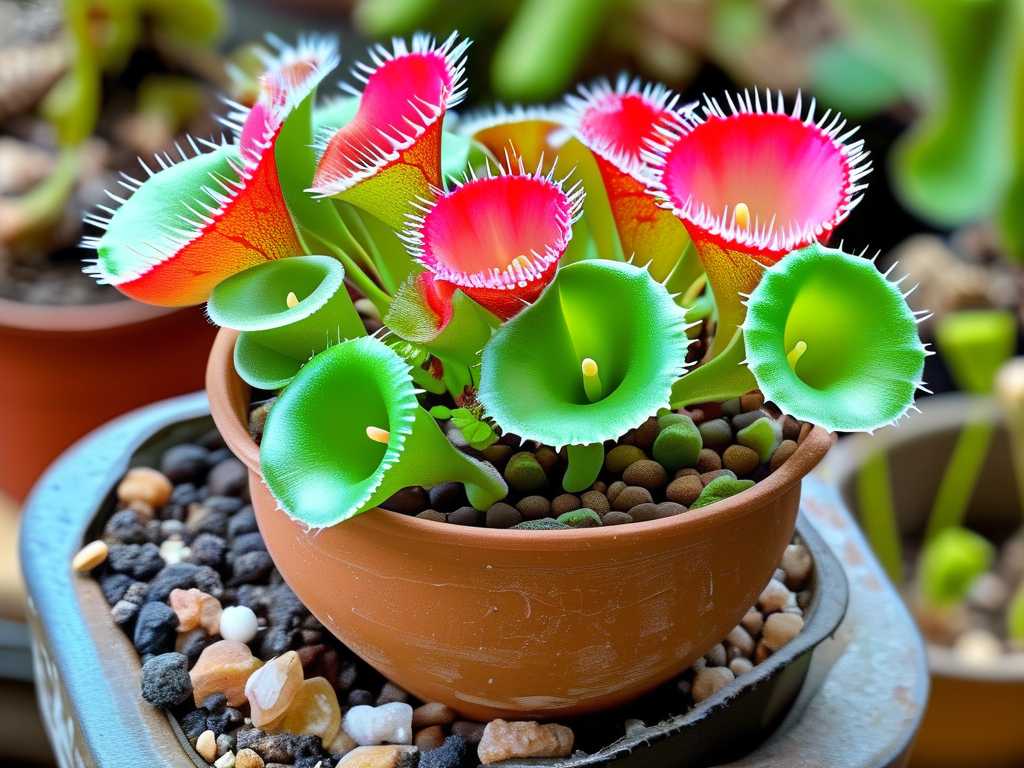
Their carnivorous leaves are designed to trap and digest tiny insects like fungus gnats, supplementing their nutrition in nutrient-poor environments. However, as experts from the International Carnivorous Plant Society (ICPS) emphasize, carnivory is a supplement, not a substitute for proper light, water, and soil. This was my first major lesson. I assumed feeding it would solve all problems, neglecting the foundational needs.
The Non-Negotiables: Light, Water, and Soil
Getting these three elements right is 90% of the battle for a thriving Pinguicula.
Lighting: The Dew Maker Butterworts need abundant, bright light to produce their characteristic sticky dew. Without it, they become weak and vulnerable. I provide mine with about 4-6 hours of direct morning sunlight or 12-14 hours under strong LED grow lights. A south or east-facing window is often perfect. When I moved my struggling plant from a dim shelf to a brighter spot, I observed a dramatic change within just 2 weeks. The center of the rosette became more vibrant, and tiny droplets of mucilage began to reappear on the leaf edges. Too little light, and your plant will be "dry." Too much harsh afternoon sun, however, can scorch the leaves. If you see a pale, yellowish tint or brown crispy patches, adjust the exposure.
Water: The Root of All Health This is where I made my most critical mistake. I used tap water. The minerals and salts in tap water can quickly build up in the soil and burn the delicate roots of carnivorous plants, leading to decline and death. The proper way to water Pinguicula is to use only distilled water, reverse osmosis (RO) water, or rainwater. I now water using the "tray method," which is highly recommended by seasoned growers. I place the pot in a shallow saucer and keep about 0.5 inches of water in it at all times during the growing season. The soil wicks up moisture as needed, creating a consistently damp (but not waterlogged) environment. Letting the soil dry out completely, as I did initially, shocks the plant and halts dew production.
Soil Mix: A Breathable Foundation Never, ever use standard potting soil or fertilizer. It will kill your butterwort. They require a low-nutrient, acidic, and airy medium. My go-to mix, backed by the recommendations of the Carnivorous Plant Hub, is a simple 1:1 ratio of peat moss and perlite. I sometimes add a small portion of horticultural sand or vermiculite for extra drainage. This mix mimics their natural habitat and prevents root rot by ensuring excellent aeration. Repotting is best done in early spring as growth resumes.
Mastering the Seasonal Cycle: Growth and Dormancy
This is the key concept that unlocked long-term success for me. Tropical Pinguicula have a distinct growth cycle.
The Carnivorous Phase (Spring-Fall) During warmer months with long days, your butterwort will produce flat, dew-covered carnivorous leaves. This is its active feeding and growing period. Water via the tray method and provide plenty of light. It will happily catch its own food, but if grown indoors, you can occasionally sprinkle a few dried bloodworms (fish food) on a leaf or two to supplement it. I do this once a month during peak growth.
The Succulent Phase (Winter Dormancy) As daylight shortens in late fall, you’ll notice a change. Your plant may stop producing sticky leaves and instead form a tight, small rosette of fleshy, non-carnivorous leaves. Don’t panic! This is normal. It’s entering its succulent dormancy phase. During this time, I make crucial adjustments:
- Reduce Watering: I take the pot out of the water tray and only lightly water the soil from the top when the succulent leaves show slight signs of wrinkling (about every 2-3 weeks).
- Reduce Light: It still needs light, but slightly less intensity is fine.
- Stop Feeding: Do not feed the succulent leaves.
I failed to recognize this dormancy the first winter. I kept watering heavily, thinking it was thirsty, and the succulent rosette began to rot. Learning to "listen" to this cycle is essential for how to make Pinguicula thrive year-round.
Common Problems and My Solutions
Even with perfect care, issues can arise. Here’s what I’ve encountered and fixed.
Lack of Dew: This is almost always a lighting or water issue. Increase light intensity and ensure you’re using pure water. My 2-week observation after fixing both factors confirmed this: dew returned steadily.
Fungus Gnats or Mold on Soil: Overly soggy soil or organic debris can cause this. I let the top layer of soil dry slightly, increased air circulation with a small fan, and sprinkled a thin layer of dried sphagnum moss on the soil surface to act as a barrier. For severe cases, a product containing Bacillus thuringiensis israelensis (Bti), considered safe for carnivorous plants by the American Hobbyist Society of Aquarists & Botanists (AHSA) in integrated pest management guidelines, can be used in the water tray.
Leaves Turning Brown or Black: This could be sunburn (move to gentler light), old leaves naturally dying back (simply trim them), or the dreaded root rot from poor soil or water. If the plant is loose in the pot and the roots are mushy, unpot it, trim away all rot, and repot in fresh mix.
Pests like Aphids: Ironically, carnivorous plants can get pests. I found a small aphid colony on a flower stalk once. I manually removed them with a soft brush and a rinse of distilled water. For larger infestations, insecticidal soaps are an option, but test on a single leaf first.
Propagation: Sharing the Success
A happy, thriving Pinguicula will eventually produce offsets or "pups." The easiest way to propagate is by carefully separating these pups during repotting. You can also try leaf pullings: gently pull a healthy leaf from the base, lay it on damp soil, and with high humidity, it may produce plantlets. It’s a rewarding way to expand your collection or share with friends.
How often should I feed my Pinguicula? You don’t need to actively feed it if it’s grown in a sunny location where it can catch gnats or other small insects. If grown indoors in a sealed terrarium, a light feeding of dried bloodworms on 1-2 leaves per month during the growing season is sufficient. Overfeeding can harm the leaf.
Can I grow Pinguicula with other carnivorous plants? Yes, they make excellent companions for sundews (Drosera) and some bladderworts (Utricularia), as they share similar soil and water requirements. Avoid planting them with Venus flytraps or Sarracenia, which have different dormancy needs.
My butterwort is growing tall and leggy. What’s wrong? This is called etiolation and is a sure sign of insufficient light. The plant is stretching to find a brighter source. Gradually move it to a much brighter location or introduce a strong grow light. The new growth should become more compact.
Caring for Pinguicula is a delightful journey of observation and adaptation. It teaches patience and attention to detail. By providing strong, pure water, the right soil, and respecting its natural seasonal rhythm, you will be rewarded with a resilient, dew-glistening plant that not only survives but truly thrives. The moment you see its first delicate, orchid-like flower emerge on a slender stalk, you’ll know every adjustment was worth it. Start with one plant, apply these principles, and watch the magic happen.





