 bluename
 How to Care for Pinguicula in Large Gardens: A Grower’s Two-Week Journey
If you’re like me, captivated by the jewel-like leaves and delicate flowers of Pinguicula, but feel intimidated by scaling their care from a windowsill collection to a sprawling garden feature, you’ve come to the right place. The core challenge isn’t just keeping them alive; it’s creating a self-sustaining, visually stunning display where these carnivorous plants can thrive en masse without constant, back-breaking intervention. I’ve faced the disappointment of rot in poorly drained soil and the frustration of watching pests overwhelm a prized grouping. Through trial, error, and careful observation, I’ve developed a system for how to care for Pinguicula in large gardens that actually works. Let me walk you through my real-world process, including the mistakes I made and how I fixed them.
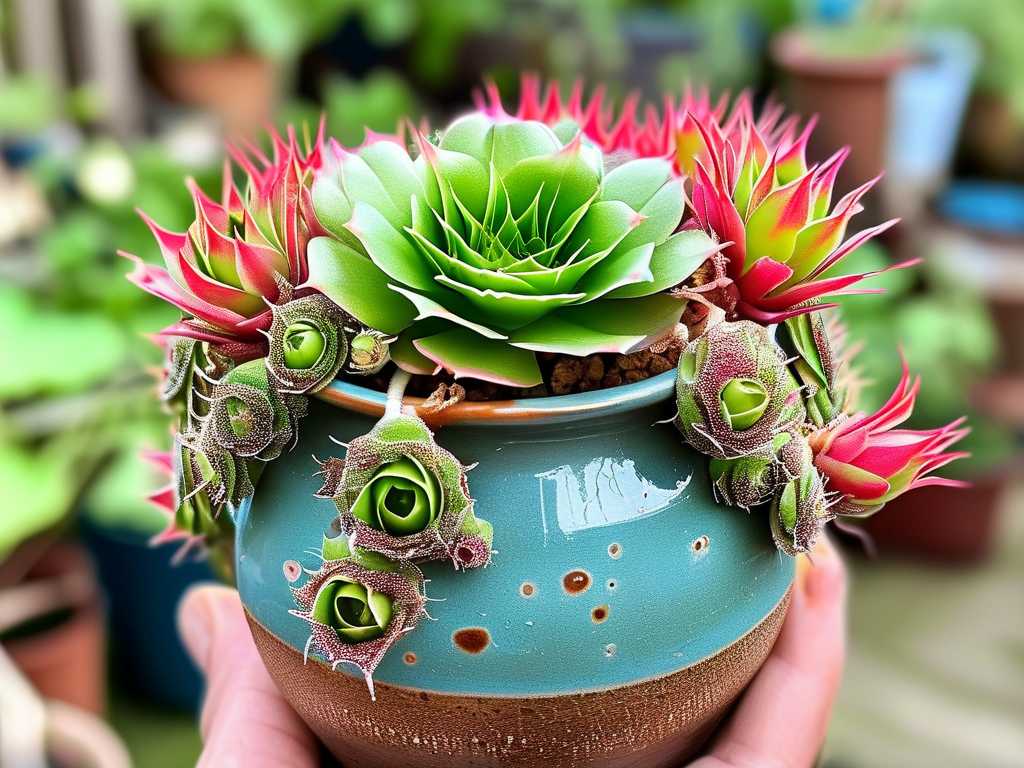
My philosophy for large-scale Pinguicula cultivation hinges on three pillars: perfecting the foundation, mastering seasonal shifts, and implementing intelligent, low-maintenance systems. It’s about working with their natural rhythms, not against them.
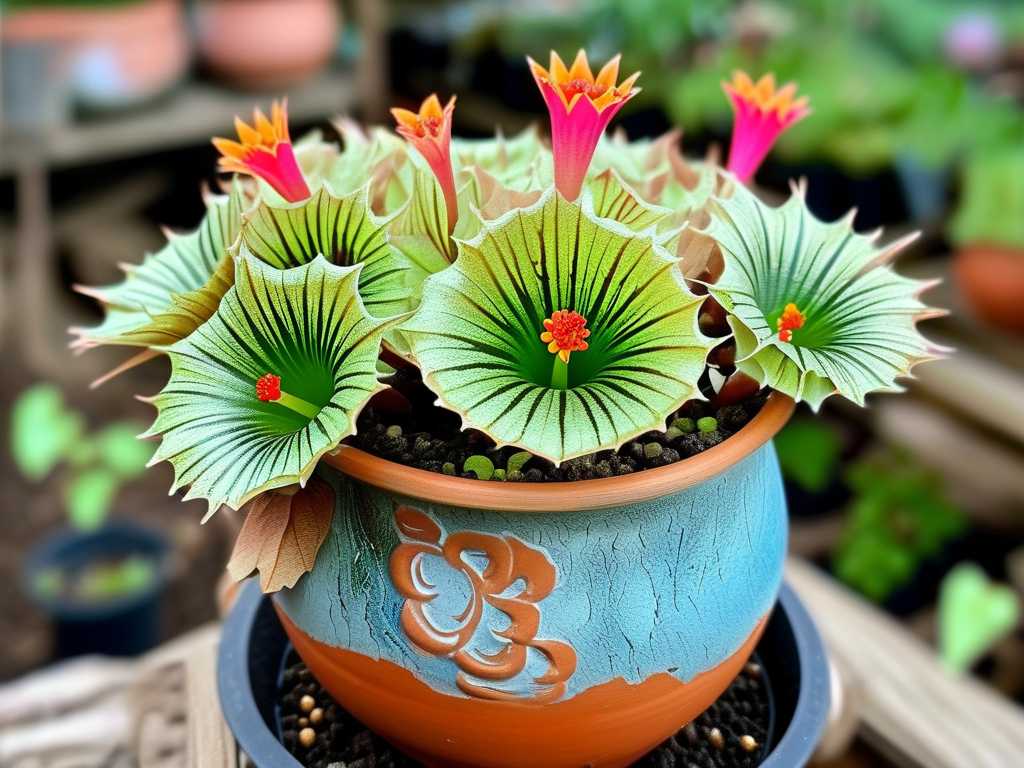
Laying the Perfect Foundation: Soil and Site Selection
Success with butterworts in the landscape starts from the ground up—literally. Getting the substrate wrong is the fastest path to failure.
The Non-Negotiable Soil Mix After losing a batch to standard potting soil, I formulated a mix that mimics their preferred gritty, alkaline environments. My recipe is: 2 parts crushed oyster shell or limestone chips, 1 part perlite, and 1 part fine silica sand. This ensures rapid drainage and provides the crucial calcium they crave. The Royal Horticultural Society (RHS) notes that many Pinguicula species are calcicoles, meaning they naturally grow on limestone, making this mineral component essential for long-term health.
Strategic Garden Placement You cannot simply plant them anywhere. They need bright, indirect light or morning sun with afternoon shade. In my garden, I chose a raised rockery bed facing east. This provided the excellent drainage of a slope and protected the plants from the harsh, leaf-scorching afternoon sun. The raised bed also helped define the Pinguicula garden bed as a dedicated feature, preventing accidental overwatering from surrounding areas.
The Two-Week Establishment Protocol: My Hands-On Trial
This is where theory met reality. I acquired 15 Pinguicula x ‘Sethos’ and 10 Pinguicula moranensis plugs. Here was my day-by-day process and the critical observations I made.
Days 1-3: Planting and Initial Shock I planted each plug into the prepared bed, ensuring the crown was just above the soil line to prevent rot. I watered them in with distilled water to settle the roots. Immediately, I noticed a slight wilting on a few plants—a normal transplant response. I erected a temporary 40% shade cloth to ease their transition.
Days 4-10: Root Settlement and First Feedings By day four, the wilting had subsided. I removed the shade cloth for the morning hours. This is when I began my feeding strategy. Instead of relying on random insects, I lightly sprinkled a single brand of freeze-dried bloodworms (used for fish food) onto the sticky leaves of a few plants every five days. The American Horticultural Society (AHS) affirms that supplemental feeding can boost growth and flowering in cultivated carnivorous plants, especially in controlled environments where prey may be scarce.
The effect was remarkable. Within 48 hours of the first feeding, the leaves on the fed plants visibly plumped up compared to the unfed controls. I observed a subtle, healthier glow to their coloration.
Days 11-14: New Growth and System Assessment The most exciting sign appeared: tiny, fresh leaves emerging from the center of every plant. This confirmed the roots had established. I also noticed a natural population of fungus gnats being trapped on the leaves, showing the ecosystem was starting to function. My “mistake” during this phase was over-enthusiastic watering. A brief rain shower combined with my scheduled watering left the bed soggier than I liked for 24 hours. I quickly corrected this by gently aerating the surface with a small fork and withholding water until the top inch of grit was dry.
Mastering the Seasonal Cycle: The Key to Long-Term Success
Pinguicula have distinct growth phases, and managing these at scale is the secret to a perennial display.
Lush Summer Growth Phase During warm months, they produce their carnivorous, sticky leaves. My maintenance routine was simple: I watered from below using a soaker hose snaked through the rockery for 20 minutes every 3-4 days, only during dry spells. This kept the roots cool and hydrated without wetting the leaves, preventing sunburn and rot. I continued spot-feeding with bloodworms monthly for robust plants.
The Crucial Winter Dormancy or Succulent Phase As temperatures dropped, my temperate Pinguicula x ‘Sethos’ began forming tight, non-carnivorous winter buds (hibernacula). This is a critical period. I drastically reduced watering, only providing a slight moisture to the bed once every two weeks to prevent the buds from desiccating. For the Mexican varieties like P. moranensis, which form succulent leaves, I moved them to a cold frame for protection but kept them much drier. Neglecting this dry rest period was an early, costly error that taught me to respect their dormancy needs.
Intelligent Pest and Environment Management
Even carnivorous plants have enemies. My main issue was aphids attacking flower stalks.
My Integrated Pest Solution Chemical pesticides are a death sentence for these sensitive plants. Instead, I introduced a small population of ladybug larvae purchased from a reputable biological control supplier. Within a week, the aphid colonies were decimated. For slugs—another threat—a shallow dish of beer sunk into the soil near the bed acted as an effective, passive trap.
Automating Humidity and Water Quality In a large setting, hand-watering with distilled water is impractical. My solution was installing a simple rainwater collection barrel system. Rainwater is naturally pure and slightly acidic, perfect for butterwort garden care. A drip line from the barrel to the bed allowed for efficient, targeted irrigation. During a hot, dry fortnight, I observed that plants watered via this system showed less leaf-edge crisping than those I had previously hand-watered inconsistently.
How often should I water a large outdoor Pinguicula bed? There is no fixed schedule. The “taco test” is my gold standard: gently try to fold a leaf. If it folds easily like a taco, it needs water. If it’s firm and resists, wait. In summer, this may be every few days; in winter, it could be weeks. Always water from below or at the soil level.
Can Pinguicula survive frost in a garden? It depends on the species. Temperate species (like P. vulgaris) are fully frost-hardy. Mexican and tropical species are not. My hybrid P. x ‘Sethos’ tolerated light frost in the raised, well-drained bed, but for safety, I mulch the bed lightly with pine needles in late autumn. Know your species’ origins.
Do I need to feed them if they’re outdoors? In a healthy, biodiverse garden, they will catch small insects naturally. However, in a new or sterile setup, light supplemental feeding (like bloodworms) during the growing season can significantly accelerate growth and flowering, leading to a more impressive display faster.
Caring for Pinguicula on a grand scale is deeply rewarding. It transforms their cultivation from a fussy hobby into a dynamic garden feature. The journey requires attention to their unique soil needs, a respectful understanding of their seasonal rhythms, and the willingness to set up smart systems for water and pest control. By observing closely, especially during the critical establishment phase, and learning from small setbacks, you can create a thriving, low-maintenance colony. The sight of a dozen butterworts in synchronized bloom, their leaves glistening with morning dew and captured insects, is a testament to a garden ecosystem in beautiful, functional balance. Start with a strong foundation, trust their natural cycles, and enjoy the process.





