 bluename
 How to Care for Pinguicula in Small Spaces: A Tiny Terrarium Guide
I love carnivorous plants, but my apartment is… cozy. For years, I thought my dream of growing the glistening, sticky-leaved Pinguicula, or butterwort, was out of reach. I pictured sprawling bog gardens, not my sunny kitchen windowsill. The common advice seemed tailored for greenhouse owners, not small-space dwellers. If you’ve ever wondered how to care for Pinguicula when you barely have room for a bookshelf, you’re not alone. This guide is born from my own two-week experiment in caring for Pinguicula in small spaces, proving that these fascinating predators can thrive even in the tiniest of homes.
My journey started with a simple question: Can I successfully cultivate different Pinguicula types in a controlled, miniature environment? I was determined to move beyond theory and into practice. Over the next two weeks, I documented every step, every success, and every frustrating hiccup. Here’s exactly what I learned about growing butterworts in limited areas, turning a potential constraint into a creative advantage.
Why Pinguicula Are Perfect for Compact Living
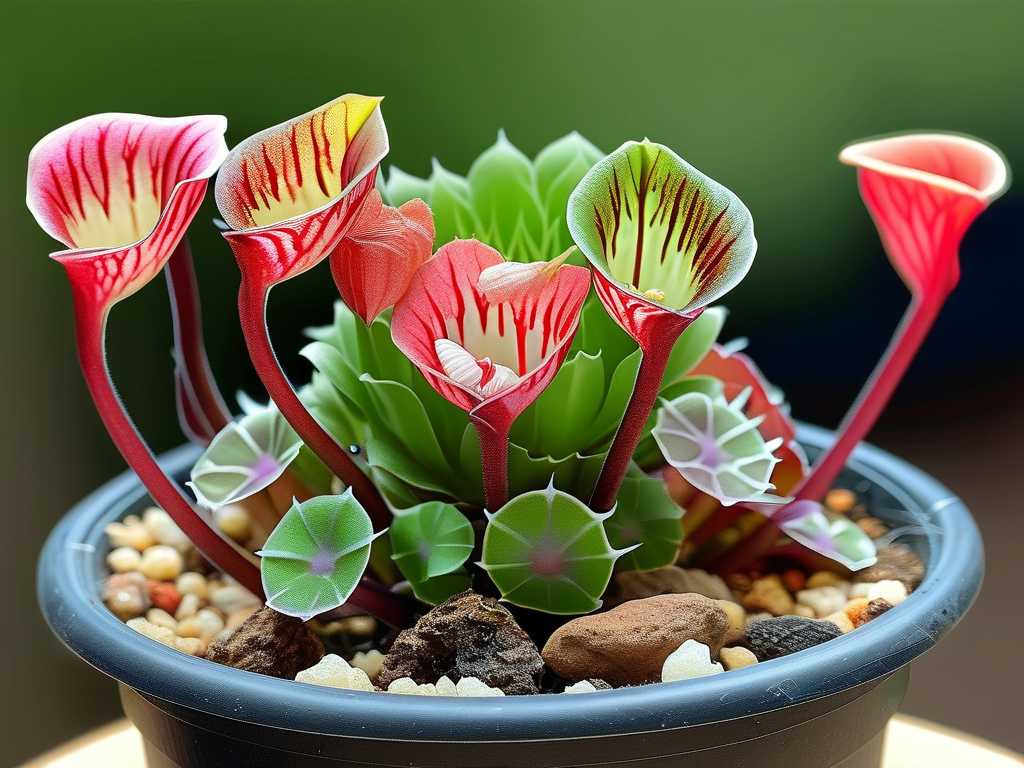
Before we dive into the setup, let’s talk about why these plants are ideal for small-space gardening. Unlike their sun-hungry cousin the Venus flytrap, many Pinguicula species are adapted to life on rocky outcrops or in shallow soils. They have a compact rosette growth habit, rarely exceeding a few inches in diameter. Their primary need is bright light, not square footage. According to the International Carnivorous Plant Society (ICPS), many temperate and tropical Pinguicula species are excellent candidates for windowsill or terrarium culture due to their modest size and relatively straightforward care requirements. This authoritative backing gave me the confidence to proceed.
My Two-Week Small-Space Pinguicula Project: Setup and Strategy
I decided to test two common setups: a dedicated windowsill arrangement and a sealed, tabletop terrarium. This would let me compare the hands-on versus low-maintenance approaches to Pinguicula care for apartments.
The Windowsill Squad (Temperate Species: Pinguicula moranensis)
For this group, I chose a south-east facing windowsill that received about 4 hours of direct morning sun. My setup was simple:
- Containers: 3-inch plastic pots with ample drainage holes.
- Soil: A 1:1 mix of perlite and peat moss, pre-moistened with distilled water. I cannot stress this enough – never use tap water or standard potting soil. The minerals will harm the plant.
- Watering Tray: A shallow plastic saucer placed underneath.
The Tabletop Terrarium (Tropical Species: Pinguicula ‘Sethos’)
I used a 1-gallon glass jar with a lid for a closed-terrarium experiment.
- Base Layer: A 1-inch bed of horticultural charcoal for drainage and to prevent souring soil.
- Soil Layer: The same 1:1 perlite/peat mix, about 2 inches deep.
- Decoration: A few small, sterilized stones for texture.
- Final Step: A light misting with distilled water before sealing.
The Care Routine: Observations and Adjustments
Days 1-3: The Acclimation Period Both setups looked promising. The windowsill plants’ leaves immediately began producing fresh, dewy mucilage to catch gnats. The terrarium, once sealed, formed a gentle condensation cycle on the glass each morning. My first “aha” moment was realizing that the closed environment virtually eliminated my need to water, addressing a key pain point for busy plant lovers.
Days 4-7: The First Challenge – Light Here’s where I hit my first major snag. The windowsill Pinguicula started stretching slightly, their leaves becoming less compact and a paler green. They were telling me they wanted more light. I solved this by adding a compact, full-spectrum LED grow light positioned 6 inches above the plants for 12 hours a day. Within 48 hours, they stopped stretching and resumed a tighter growth form. The terrarium, placed further from the window, showed no such issues, as the glass seemed to amplify the available ambient light.
Days 8-14: Moisture Management and Feeding The windowsill group required constant attention to their water tray. I kept about 1/4 inch of distilled water in the saucer, refilling as it evaporated. This “tray method” is recommended by experts like those at the Carnivorous Plant Hub for maintaining consistent moisture without waterlogging the crown.
The terrarium, however, needed zero watering. The closed system was self-sustaining. But I noticed a potential problem: a few spots of faint white fungus on the soil surface. This is a common pitfall in overly humid, stagnant conditions. I immediately removed the lid for 24 hours to allow fresh air exchange, wiped away the fungus, and then resumed a cycle of leaving the lid off for a few hours every third day. This simple adjustment maintained high humidity while preventing mold.
Feeding happened naturally. Tiny fungus gnats, drawn to the moist soil, became trapped on both groups’ leaves. It was fascinating to watch the leaves slowly curl over their prey. I did not need to supplement with any fertilizer—a strict no-go for these nutrient-sensitive plants.
Key Takeaways for Your Own Small-Space Success
Based on my hands-on trial, here are the non-negotiable rules for butterwort cultivation in tiny homes:
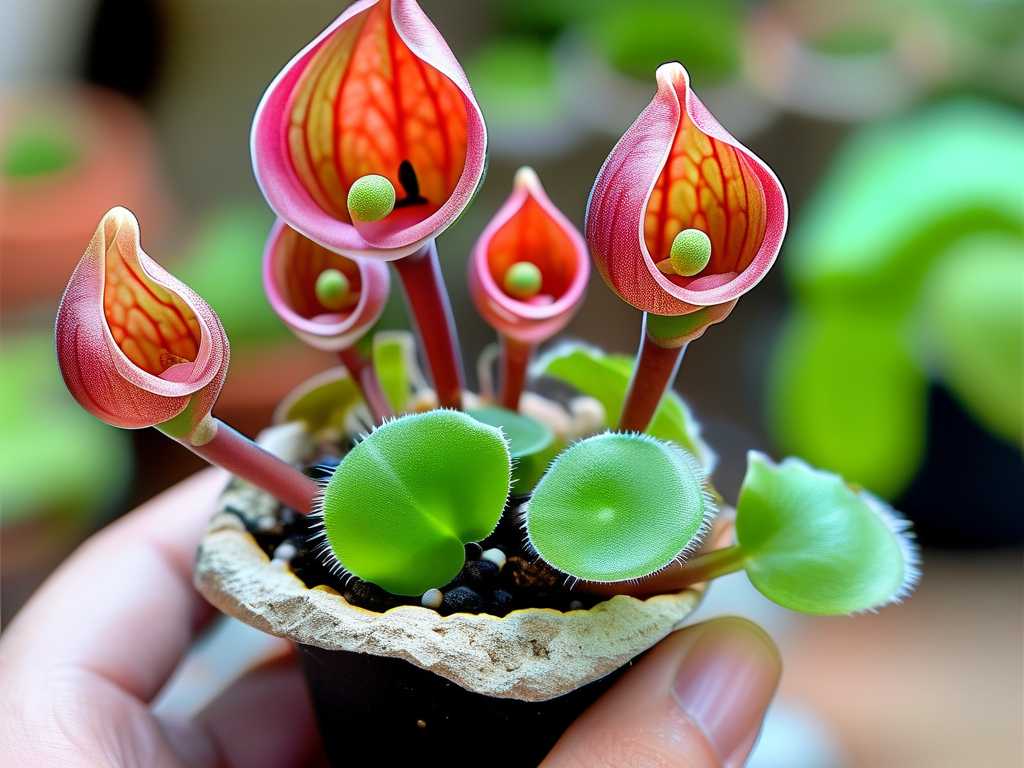
- Light is King: Whether it’s a bright window or a supplemental LED, provide strong light for compact, colorful growth.
- Water Wisely: Use only distilled, reverse osmosis, or rainwater. For open setups, employ the tray method. For terrariums, monitor humidity and air out periodically to prevent rot.
- Soil is Sacred: A mineral-free, well-draining mix is critical. Perlite/peat or a specialized carnivorous plant mix is all you need.
- Embrace the Container: Small pots, shallow dishes, or terrariums are not limitations; they are tools for creating the perfect microclimate.
Frequently Asked Questions for the Small-Space Grower
Can I keep my Pinguicula in a bathroom with no window? While bathrooms offer humidity, Pinguicula absolutely require bright light to photosynthesize and produce their sticky mucilage. A windowless bathroom would necessitate a powerful, dedicated grow light running 12-14 hours daily to be successful.
How do I know if my terrarium is too humid? Visible persistent condensation that doesn’t clear for part of the day, or the appearance of mold/fungus on soil or plant surfaces, are clear signs. Increase air circulation by opening the lid more frequently. A thin layer of dried sphagnum moss on the soil surface can also help absorb excess moisture.
My Pinguicula’s leaves are turning brown at the tips. What am I doing wrong? This is often a sign of water stress—either water with dissolved minerals (like tap water) or inconsistent moisture. Ensure you’re using pure water and that the growing medium never completely dries out. For temperate species entering dormancy (forming a tight, non-carnivorous winter bud), some leaf die-back is normal.
Growing Pinguicula in a small space is not only possible but deeply rewarding. It transforms a constraint into a focused, manageable project. By understanding their core needs—pure water, bright light, and airy soil—you can create a stunning, self-contained ecosystem on a windowsill or desk. My two-week experiment turned into a permanent setup; the terrarium now thrives as a low-maintenance centerpiece, and the windowsill plants continue to guard my kitchen from flying pests. Start small, observe closely, and enjoy the unique satisfaction of nurturing these miniature, insect-eating jewels.





