 bluename
 How to Care for Pinguicula: Seasonal Adjustments for a Thriving Butterwort
You’ve mastered the basics of your Pinguicula, or butterwort. Its sticky, dew-covered leaves are catching gnats, and it seems happy. But then, the seasons change. Growth slows, leaves look different, or worse, the plant seems to stall entirely. This seasonal confusion is the number one hurdle for butterwort enthusiasts. Caring for these fascinating carnivorous plants isn’t a one-size-fits-all routine; it’s a dynamic year-round dance. The secret to long-term success lies in understanding and implementing precise seasonal adjustments for Pinguicula.
This guide will walk you through the essential care shifts needed for spring, summer, autumn, and winter. By syncing your care with your plant's natural cycle, you’ll promote vigorous growth, spectacular blooms, and a resilient plant that thrives for years.
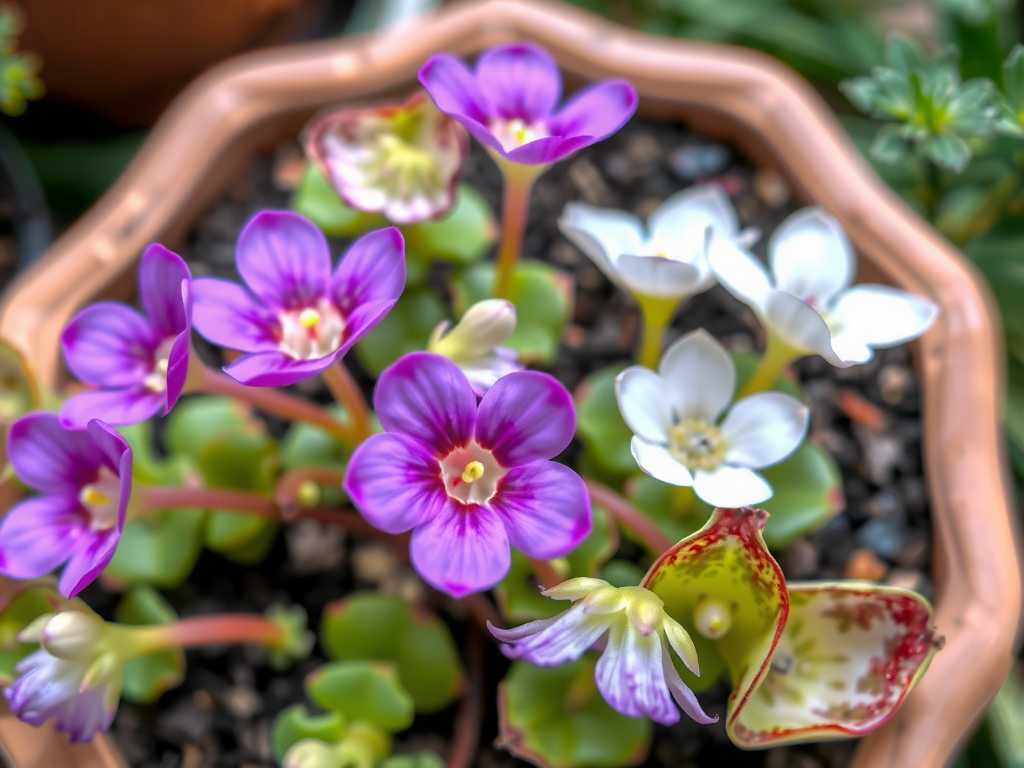
Understanding the Pinguicula Growth Cycle
To adjust care seasonally, you must first recognize the two primary growth forms for most commonly cultivated Pinguicula. Tropical and warm-temperate species often exhibit a "heterophyllous" cycle, meaning they produce different leaf types.
During the warm, humid growing season (spring and summer), they form succulent, carnivorous leaves designed to trap insects. As days shorten and temperatures cool, many transition to a tight, succulent rosette of non-carnivorous leaves, often called a "winter succulent" phase. This is a resting period, not dormancy in the traditional sense. Other species, like Pinguicula moranensis, may simply slow down. Recognizing these phases is your first step to proper Pinguicula care through the seasons.
Spring: Awakening and Active Growth
As daylight increases and temperatures consistently rise above 60°F (15°C), your butterwort will signal the start of its growth season.
Light and Temperature Gradually increase light exposure. A south or east-facing windowsill is ideal. If using grow lights, aim for 12-14 hours of daily light. Daytime temperatures between 70-85°F (21-29°C) are perfect, with a slight drop at night. This mimics their natural environment and kickstarts metabolism.
Watering and Humidity This is the time for consistent moisture. Employ the classic tray method: keep the pot sitting in 0.25 to 0.5 inches of distilled, reverse osmosis, or rainwater. Never let the tray dry out completely during active growth. Humidity between 50-70% supports healthy dew production. A humidifier or a pebble tray can help in dry climates.
Feeding and Soil The plant will begin catching insects on its own. You can supplement by placing small, soft-bodied insects like fruit flies or pinhead crickets on the leaves every 2-4 weeks. Avoid overfeeding. Ensure it’s planted in a well-draining, nutrient-free mix, typically a blend of peat moss and perlite (50/50) or a specialized carnivorous plant soil.
Summer: Peak Performance and Bloom
Summer is your Pinguicula’s time to shine, with rapid leaf production and often, stunning flowers.
Managing Heat and Light Protect plants from extreme, direct afternoon sun which can scorch leaves, especially on hot days above 90°F (32°C). Provide bright, indirect light during the hottest part of the day. Good air circulation is crucial to prevent fungal issues and rot in high heat.
Watering Consistency Evaporation rates are high. Check the water tray daily and top it up as needed. The goal is constant, reliable moisture. The soil surface should feel damp but not waterlogged.
Flower Care A happy Pinguicula will send up a flower stalk. As renowned carnivorous plant expert, Dr. Barry Rice, notes in Growing Carnivorous Plants, "The flowers are not only beautiful but a sign of excellent cultural conditions." You can pollinate flowers with a small brush to potentially produce seeds. After blooming, simply snip off the spent stalk to redirect energy back to leaf growth.
Autumn: Preparing for the Change
As daylight wanes and temperatures begin to dip, your plant will start its transition.
Recognizing the Shift You’ll notice the plant stops producing large, flat carnivorous leaves. Instead, it may start forming smaller, tighter leaves at the center. This is the beginning of the winter succulent phase for many species. Growth will visibly slow.
Adjusting Water and Food This is the most critical adjustment. Gradually reduce watering. Start by allowing the water tray to dry out for a day or two before refilling. The soil should become just slightly damp, not wet. Completely stop any supplemental feeding. The plant is not actively trapping insects and cannot use the nutrients.
Light Reduction While still needing bright light, you can slightly reduce photoperiod if using grow lights to mimic shorter days. This environmental cue helps trigger the seasonal change properly.
Winter: The Resting Phase
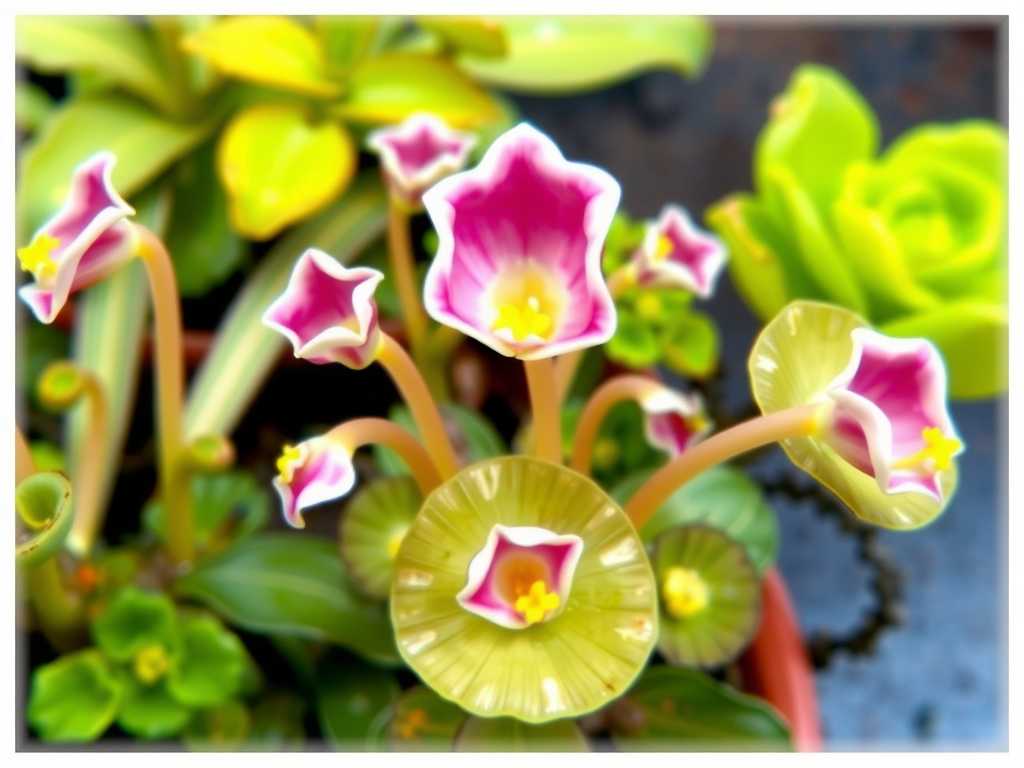
Successful butterwort winter care is about restraint. This is not a time for growth, but for consolidation.
Watering Drastically Reduced For species forming a tight winter rosette, water only from the top. Lightly moisten the soil when it becomes almost completely dry—this may mean watering only every 2-3 weeks. The goal is to prevent the succulent leaves from shriveling while avoiding rot. The tray method should be discontinued.
Cooler Temperatures are Key Most Pinguicula appreciate cooler temperatures during this period, ideally between 45-60°F (7-15°C). A cool windowsill away from heating vents is perfect. This cooler rest is essential for long-term health and encourages stronger growth upon returning to spring.
Light Requirements Maintain good light exposure (e.g., a bright windowsill) even during rest. The plant still needs light for basic functions, just less than in summer.
Spring Transition: Waking Up Again
When you see signs of new, flat carnivorous leaves emerging from the center in late winter/early spring, it’s time to reverse the process.
Gradually increase watering, resuming the tray method once active growth is evident. Slowly increase temperature and light exposure. A gentle start prevents shock and sets the stage for another successful year.
My Pinguicula isn’t forming a winter rosette. Is it dying? Not necessarily. Some tropical butterworts (e.g., Pinguicula ‘Aphrodite’) do not have a pronounced succulent phase. They simply slow down. Reduce watering slightly and provide good light. As long as the center of the plant looks firm and healthy, it is likely just taking a break.
Can I keep my Pinguicula growing carnivorous leaves all year under grow lights? While possible by maintaining summer conditions, it is not advisable long-term. Forcing constant growth without a rest period can exhaust the plant, leading to weaker growth, lack of flowers, and a shortened lifespan. Mimicking the natural cycle promotes resilience.
How do I know if I’m overwatering in winter? The telltale sign is rot. The outer leaves or the center of the rosette may turn black, brown, or mushy. If this happens, immediately remove the plant from its pot, cut away all rotten material with a sterile tool, and repot in fresh, barely-damp soil. Hold off on watering for several days. Prevention through very sparse watering is always best.





