 bluename
 How to Care for Pinguicula with Rotting Roots: A Rescue and Recovery Guide
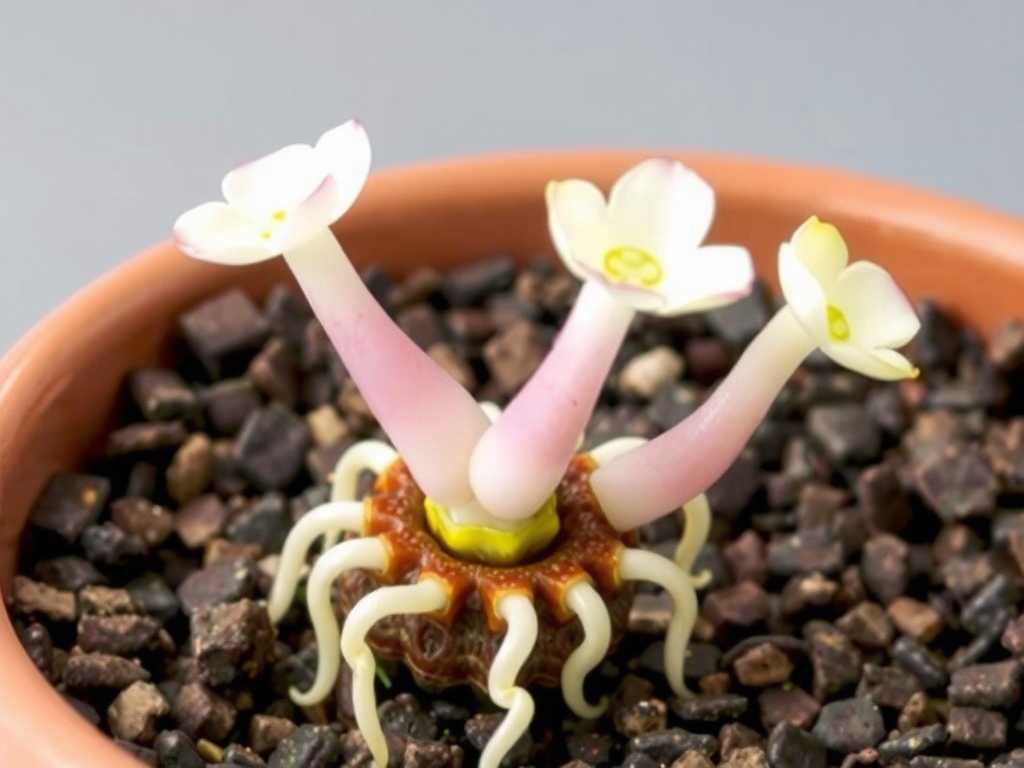
Discovering your beloved butterwort with soft, discolored, or foul-smelling roots is a heart-sinking moment for any carnivorous plant enthusiast. Pinguicula root rot is a common but serious issue that can quickly claim a prized plant if not addressed promptly and correctly. This guide is designed to walk you through every step, from accurate diagnosis to effective treatment and long-term prevention, ensuring your Pinguicula not only survives but thrives again.
Understanding the root cause of the problem is the first step toward a cure. Root rot in Pinguicula is almost never an isolated event; it's a symptom of underlying cultural missteps.
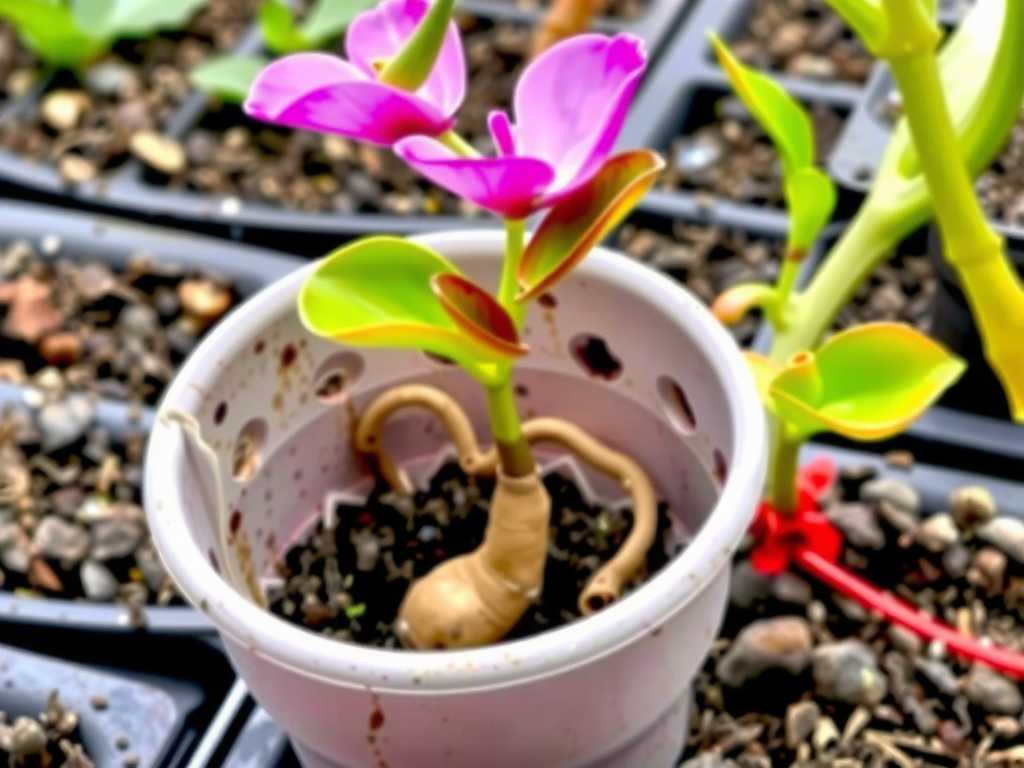
Primary Causes of Root Rot in Butterworts
The main culprits are consistently overly wet soil and poor drainage. Pinguicula, while enjoying consistent moisture, absolutely despise having their roots sit in stagnant water. A dense, water-retentive potting medium creates an anaerobic environment where harmful fungi and bacteria, like Pythium or Fusarium, flourish and attack the root system.
Low light conditions exacerbate the problem. A plant receiving insufficient light uses water more slowly, leaving the soil wet for extended periods and weakening the plant's natural defenses. Furthermore, using mineral-rich tap water or standard potting soil introduces salts and nutrients that can burn the delicate roots, creating entry points for pathogens.
Immediate Action: Diagnosing and Treating the Rot
Before you act, confirm the diagnosis. Gently remove your Pinguicula from its pot. Healthy roots are typically white or light-colored and firm. Rotting roots are brown or black, mushy, and may fall apart to the touch. A foul odor is a definitive sign of advanced decay.
Step 1: Unpot and Inspect Carefully remove all old potting medium from the root ball under a gentle stream of distilled or rainwater. This allows for a full assessment of the damage.
Step 2: Surgical Removal Using sterilized scissors or precision snips, cut away every bit of affected tissue. Sterilize your tools with isopropyl alcohol between cuts to prevent spreading pathogens. You must be ruthless—any remaining rot will spread. Cut back to healthy, firm tissue, even if it means removing the entire root system. Pinguicula can regenerate roots from the base if the crown is healthy.
Step 3: Fungicide Application After surgery, treat the plant with a fungicide to protect it. A copper-based fungicide or a systemic product containing thiophanate-methyl can be effective. Lightly dust the cut areas or dip the base of the plant according to the product's label instructions. For a natural approach, some growers use a light dusting of cinnamon powder, a known antifungal agent.
Step 4: The Critical Drying Period Do not repot immediately. Place the plant on a paper towel in a spot with bright, indirect light and good air circulation. Allow the wounds to callus over for 24-48 hours. This drying period is crucial to seal the cuts and prevent new infections.
Rebuilding for the Future: The Correct Post-Rescue Environment
Successfully treating the rot is only half the battle. Repotting your Pinguicula into an inappropriate environment will lead to a repeat disaster.
Choosing the Right Potting Mix The ideal medium is airy, fast-draining, and nutrient-free. A classic mix is equal parts perlite and peat moss. Many expert growers, like those at the International Carnivorous Plant Society, recommend a "leaner" mix for better aeration, such as a 1:1:1 ratio of peat, perlite, and silica sand or vermiculite. Pre-moisten the mix with distilled water before repotting.
Selecting the Perfect Pot Always use a pot with multiple drainage holes. Unglazed terracotta pots are excellent as they allow the medium to breathe and dry more evenly from the sides. The pot should be just large enough to accommodate the plant; oversized pots hold excess moisture.
Mastering the Watering Technique Watering is where most problems begin. Use only distilled, rainwater, or reverse osmosis water. The "tray method" is highly effective: place the pot in a shallow saucer and keep about 0.5 inches of water in it during the active growing season. Allow the tray to go completely dry for a day or two before refilling. In cooler or low-light conditions, let the top of the medium become slightly damp before re-filling the tray.
Providing Optimal Light Strong light is non-negotiable for recovery and health. Provide at least 4-6 hours of direct sunlight, or equivalent under strong artificial grow lights (LED or fluorescent). Adequate light boosts the plant's metabolism and energy for root regeneration and helps keep the growing environment drier.
Long-Term Care Adjustments to Prevent Recurrence
Prevention is always simpler than cure. Integrate these practices into your routine.
Seasonal Awareness Pinguicula often have different growth phases (carnivorous summer leaves and sometimes succulent winter leaves). Water needs decrease significantly during dormancy or the winter phase. Reduce watering to just keeping the medium barely moist, eliminating the tray method during this time.
Regular Monitoring Make it a habit to gently feel the weight of the pot or check the moisture at the top layer before automatically adding water. Observe your plant's color and leaf texture; a happy Pinguicula has firm, flat leaves.
Quarantine New Plants As noted by horticulturists, always quarantine new carnivorous plant additions for a few weeks to ensure they aren't harboring pests or diseases that could spread to your collection.
Frequently Asked Questions
Can a Pinguicula survive with no roots? Yes, it is possible. If the crown and leaf base are healthy, the plant can often produce new roots. After treating for rot, place it on barely damp sphagnum moss or your standard mix, maintain high humidity (under a cloche or in a terrarium), and provide bright light. Be patient, as regeneration can take several weeks.
How often should I water my Pinguicula to avoid rot? There is no universal schedule. Frequency depends on your climate, pot size, and light levels. The reliable method is to use the tray system and monitor the water level and surface moisture. The goal is consistently damp, never soggy or bone-dry, conditions.
Should I fertilize my butterwort to help it recover from root rot? Absolutely not. Fertilizing a recovering Pinguicula, especially through the soil, is harmful. Their roots are adapted to nutrient-poor media and are easily burned. They obtain nutrients from captured insects. Once the plant is actively growing new leaves, you can assist it by placing small, dried insects like bloodworms or fruit flies on its leaves occasionally.
Watching your Pinguicula struggle with root rot is challenging, but with precise intervention and corrected care, recovery is highly achievable. The key lies in understanding that this condition is a message about the plant's environment. By shifting your focus to providing a well-draining medium, pure water, and abundant light, you create a foundation where healthy roots can develop and sustain a resilient, insect-catching butterwort for years to come. Your attentive care during this rescue mission is the most powerful factor in its survival.





