bluename
 How to Care for Pinguicula: Weather Adaptation Tips for a Thriving Butterwort
You’ve brought home a fascinating Pinguicula, or butterwort, captivated by its delicate, jewel-like flowers and its clever insect-trapping leaves. But as the seasons change, you might notice your plant struggling—leaves may wither, growth can stall, or it simply doesn’t look as vibrant. The most common challenge in how to care for Pinguicula isn’t daily maintenance, but guiding it safely through the year’s climatic shifts. These carnivorous plants possess a secret survival strategy: they change form. Failing to adapt your care to their natural weather-driven cycles is the key reason many butterworts fail to thrive long-term.
This guide will equip you with the essential weather adaptation tips to work with your Pinguicula’s instincts, not against them. We’ll move beyond basic care and delve into the seasonal rhythms that dictate its life, ensuring your plant not only survives but flourishes through every season.
Understanding the Pinguicula’s Dual Life: Carnivore and Succulent
To master weather adaptation, you must first understand what you’re adapting to. Pinguiculas are unique in the carnivorous plant world. During their active growing phase (typically spring and summer), they produce flat, sticky “carnivorous leaves” designed to catch gnats and other small insects. However, when triggered by environmental cues like shorter days, cooler temperatures, or drier air, many species undergo a dramatic transformation.
They enter a dormant or semi-dormant phase, often forming a tight, succulent-like bud called a “hibernaculum.” As noted by carnivorous plant specialist Dr. Aymeric Roccia, this hibernaculum is a survival masterpiece, composed of small, non-carnivorous leaves that are highly resistant to desiccation and cold. Recognizing and respecting this cycle is the cornerstone of successful Pinguicula care.
Spring Awakening: Gentle Rehydration and Light Introduction
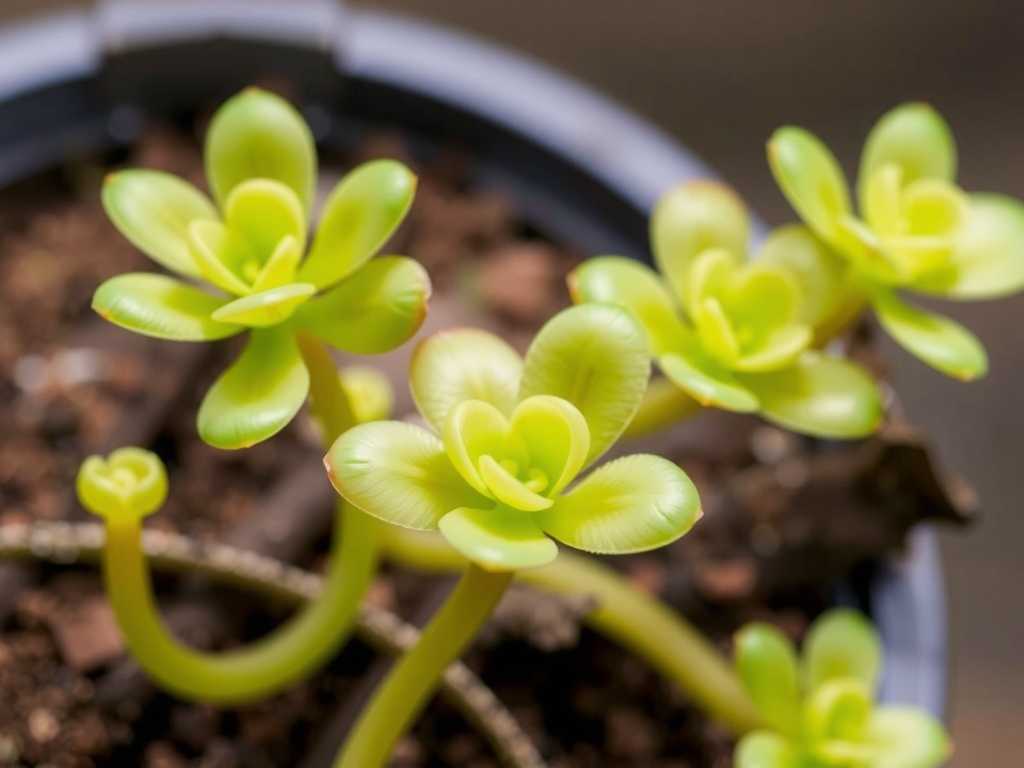
As winter loosens its grip and daylight increases, your temperate or subtropical Pinguicula will signal the end of dormancy. You’ll see tiny, fresh green leaves emerging from the center of the hibernaculum.
- Gradual Watering Shift: This is a critical period. Begin to increase moisture gradually. Move from barely damp media to consistently moist. Use the tray method—filling a saucer with distilled, rainwater, or reverse osmosis water—and allow the pot to absorb it. Empty the tray after 30 minutes to prevent waterlogging. The goal is to rehydrate the roots without shocking them or rotting the dormant bud.
- Light and Temperature: Place the plant in bright, indirect light. Direct morning sun is excellent, but avoid harsh afternoon rays that can scorch the tender new growth. Ideal temperatures range from 60°F to 75°F (15°C to 24°C). This gentle reintroduction to growing conditions prevents stress and encourages robust leaf development.
Summer Vigor: Managing Heat, Light, and Prey
Summer is the peak growing season for most Pinguiculas. The plant is in full carnivorous mode, with a rosette of glistening, adhesive leaves.
- Beat the Heat: While they enjoy warmth, prolonged exposure to temperatures above 85°F (29°C) can cause heat stress. Provide bright light but use sheer curtains or position the plant to receive indirect light during the hottest part of the day. Good air circulation is crucial to prevent fungal issues and cool the leaves.
- Watering Protocol: The media should remain evenly moist but never soggy. The tray method is highly effective here. Check the moisture level frequently, as warmer temperatures and active growth lead to faster evaporation. Always use low-mineral water to prevent toxic salt buildup in the soil.
- Feeding: Your plant is an active hunter. If grown indoors, it may catch less prey. You can supplement by sprinkling dried bloodworms or fruit flies onto its leaves occasionally. Avoid overfeeding; one small feeding per leaf every 2-3 weeks is ample. Remember, light is its primary energy source; insects are just fertilizer.
Autumn Transition: Reading the Signs and Reducing Care
As days shorten and temperatures drop, your Pinguicula will begin its preparation for dormancy. This is where your weather adaptation tips become most vital.
- Recognizing Dormancy Cues: Growth will slow. The outer carnivorous leaves may die back, and you’ll see the center begin to tighten, forming the small, tight hibernaculum. Some species (like Pinguicula moranensis) simply produce smaller, non-sticky winter leaves instead of a tight bud.
- Adjusting Water and Food: Dramatically reduce watering. The media should only be kept slightly damp to the touch. Completely stop any supplemental feeding. The plant is shutting down its carnivorous systems and does not require nutrients.
- Light and Temperature Adjustment: Continue to provide bright light, as the hibernaculum still benefits from photosynthesis. Cooler temperatures, especially at night, are beneficial and help solidify the dormancy signal. A range of 40°F to 60°F (4°C to 15°C) is ideal for temperate species.
Winter Rest: The Art of Neglect
Winter care is counterintuitive but simple: do less. The hibernaculum is designed to withstand harsh conditions.
- Minimal Watering: Keep the planting medium just barely damp. For many growers, a light watering every few weeks is sufficient. The goal is to prevent the hibernaculum from completely drying out and turning to dust.
- Cool and Bright: Place the plant in a cool, bright location. An unheated but frost-free porch, a cool windowsill away from radiators, or a greenhouse with minimal heat are perfect. This cool period is essential for the plant to complete its cycle and gather strength for spring.
- Patience is Key: The plant may look dead. Resist the urge to water more or provide heat. Trust the process.
Climate-Specific Adaptation Strategies
Your local climate dictates how you implement these seasonal tips.
- Humid Continental Climates (with cold winters): Perfect for temperate Pinguiculas outdoors in bog gardens. Protect with a thick mulch layer. For potted plants, the unheated garage method works well.
- Mediterranean or Dry Subtropical Climates: Ideal for many Mexican and subtropical species. Watch for excessive summer heat and provide afternoon shade. Dormancy may be triggered by dry air as much as by cold.
- Tropical Humid Climates: Focus on species that don’t require a sharp dormancy (e.g., Pinguicula esseriana). The challenge is often providing a slight dry rest rather than a cold one, and ensuring excellent air circulation to prevent rot.
- Indoor/Controlled Environments: You control the cues. To induce dormancy, gradually reduce photoperiod (light hours) with grow lights and move the plant to a cooler part of your home. This allows you to grow a wider variety of species regardless of outdoor weather.
My Pinguicula looks dead in winter. Have I killed it? This is the most common concern. If you see a tight, small bud (hibernaculum) at the soil level, your plant is likely perfectly healthy and dormant. Continue minimal care—slight moisture, cool temps, and bright light—and wait for spring growth. A truly dead plant will have a mushy or completely desiccated center.
Can I skip the dormancy period for my Pinguicula? For species that require a distinct dormancy (most temperate and many subtropical types), skipping it will severely weaken the plant over time. It may survive for a year or two, but growth will become stunted, and it will eventually fail to thrive or flower. Dormancy is a necessary rest period, not an option.
What is the absolute best water to use for Pinguicula year-round? The single most important factor is using water very low in dissolved minerals. Distilled water, rainwater, or reverse osmosis water are mandatory. Tap water, even if left to sit, contains minerals that will quickly accumulate in the soil, burn the roots, and kill the plant. This is non-negotiable for successful long-term care across all seasons.
Guiding your Pinguicula through the year is a rewarding practice in observation and subtle intervention. By aligning your care with its innate weather-driven rhythms—providing abundant moisture and light in growth periods, and respectful restraint during its rest—you become a partner in its survival. The result is a resilient plant that rewards you with vigorous growth, spectacular blooms, and the fascinating spectacle of its carnivorous leaves, year after year. Start watching for those seasonal cues today; your butterwort’s performance is directly written in the weather.