 bluename
 How to Care for Pinguicula Outdoors During Summer: A Practical Guide from a Fellow Plant Lover
If you’re like me, the arrival of summer brings a mix of excitement and anxiety for my outdoor Pinguicula, or butterworts. These fascinating carnivorous plants, with their dewy, sticky leaves, thrive in specific conditions. The intense summer sun, scorching heat, and unpredictable rainfall can quickly turn from a growth booster into a death sentence. I’ve watched leaves burn, rosettes wither, and felt the heartbreak of losing a prized specimen. The core challenge is balancing their need for bright light with protection from extreme heat, while managing their unique watering and soil requirements in an open, fluctuating environment. After years of trial, error, and meticulous observation, I’ve developed a summer care routine that works. This guide isn’t just theory; it’s a record of my hands-on experience, including the mistakes I’ve made and how I fixed them, specifically while caring for my Pinguicula outdoors during the peak summer months.
Understanding Your Outdoor Pinguicula’s Summer Needs
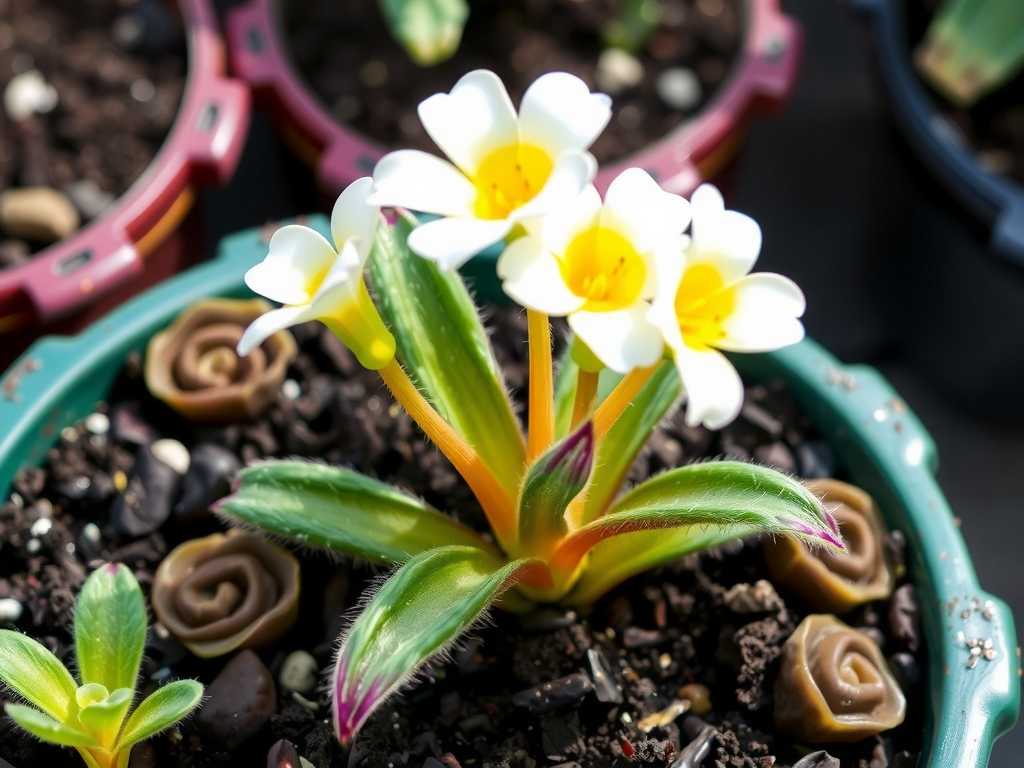
Before we dive into the daily steps, it’s crucial to understand what we’re working with. Pinguicula are not your typical garden perennials. They are carnivorous plants that have adapted to nutrient-poor environments by catching insects on their specialized leaves. According to the International Carnivorous Plant Society (ICPS), most temperate and subtropical Pinguicula varieties experience a growth spurt in warmer months but are highly susceptible to root rot and foliage burn if conditions are incorrect.
Their two non-negotiable needs are the right light and the right moisture. Summer care for butterworts outdoors is essentially a high-stakes game of managing these two factors. Too much direct, afternoon sun cooks them. Too much water in the pot drowns them. The goal is to replicate their natural, often Mediterranean or alpine, summer microclimates.
My Proven Summer Care Routine: A Two-Week Observation Log
Last July, I decided to document a strict routine with my collection of Pinguicula moranensis, P. gigantea, and a few temperate hybrids. I followed this protocol for a minimum of two weeks during a heatwave, with temperatures consistently above 90°F (32°C). Here’s exactly what I did and what I saw.
Creating the Perfect Summer Sanctuary: Location is Everything
The single most important decision you’ll make is where to place your plants. Full, blazing all-day sun is a recipe for crispy, red-stressed, or bleached plants. I learned this the hard way when I first placed a tray of young P. moranensis on a south-facing wall. Within three days, the leaves lost their succulent green hue, turned yellowish, and felt leathery.
The Solution: Dappled Light and Morning Sun I moved all my plants to a new setup: a east-facing patio that receives direct, gentle morning sun until about 11 AM, followed by bright, filtered light for the rest of the day. I achieved this filter using a 30% shade cloth stretched over a simple frame. The American Horticultural Society (AHS) emphasizes the importance of “light without heat” for many specialty plants, and this principle is paramount for outdoor Pinguicula care.
The Two-Week Result: Within 4-5 days of the move, the stressed plants stopped declining. By the end of the two weeks, new growth emerged—plump, green, and actively producing dew. The plants were clearly photosynthesizing efficiently without the thermal stress.
Mastering the Watering Tightrope: The Tray Method, Refined
Watering is where most enthusiasts, including my past self, fail. Pinguicula require constant moisture but despise soggy, waterlogged soil around their crown. The common advice is to use the “tray method,” keeping a shallow tray of water underneath the pot. In summer, this needs precision.
My Summer Watering Protocol:
- Pot & Medium: All plants are in plastic pots with excellent drainage, filled with a standard 1:1 mix of perlite and peat moss.
- Water Quality: I use only distilled water or rainwater. Tap water minerals can build up and harm the roots and leaves.
- The “Dry Tray” Cycle: Instead of keeping the tray perpetually full, I adopted a “flood and dry” cycle. Every morning, I would fill the tray with about 0.5 inches of water. By late afternoon, under the summer heat, the tray would be completely dry, and the top of the soil would feel just slightly damp. I would then leave the tray dry overnight.
- The Reason: This cycle ensures the roots have constant access to moisture during the day’s heat but allows the medium to breathe and dry slightly overnight, preventing anaerobic conditions and crown rot.
The Two-Week Result & A Pitfall: This method worked brilliantly for 90% of my plants. They remained turgid and healthy. However, I noticed one P. gigantea in a slightly deeper pot started to look dull. Upon investigation, the bottom of its medium was still too wet. The Fix: I elevated that pot on a small stone inside the tray, so only the very bottom touched the water. This increased air circulation. Within a week, the plant perked up. This highlights the need to observe individual plant response.
Feeding and Soil: Let Nature Handle It
A major benefit of outdoor summer care for butterworts is that they will feed themselves. Gnats, flies, and other small insects are abundant. Their sticky leaves become miniature pest control stations. You do not need to fertilize them. In fact, fertilizing is dangerous and can burn their roots and leaves.
The soil mix should be inert and airy. I repot all my Pinguicula in spring before the heat sets in. A fresh mix ensures no compaction and optimal drainage for the stressful summer ahead. The Carnivorous Plant Society of the UK strongly advises against any standard potting soil, which is rich in nutrients and will kill these adapted plants.
Vigilance and Adjustments: Daily Checks Are Non-Negotiable
Summer weather is volatile. A routine is a baseline, not a set-and-forget system. Every evening, I spent 5 minutes checking my plants.
- Pest Watch: I looked for aphids (which can sometimes attack flower stalks). A strong jet of distilled water from a spray bottle dislodges them.
- Leaf Health: I removed any old, decaying leaves from the previous season to prevent mold.
- Rain Alert: This is critical. If heavy rain is forecast, I move my plants under an eave or cover. Prolonged exposure to rainwater, which can pool in their rosettes, and saturated soil is a top cause of summer loss. I got caught in an unexpected downpour in week two. The Fix: I immediately tipped each pot on its side to drain excess water from the rosettes and placed them in a breezy, shaded spot to dry quickly. No rot occurred.
Common Questions from Fellow Growers
Can I leave my Pinguicula outside in the rain? Occasional, light rain is generally fine and can help flush the medium. However, you must protect them from prolonged, heavy rainfall. Consistently wet crowns and waterlogged soil, especially in summer humidity, lead to rot. I use a simple clear plastic cover or move them to a sheltered spot during rainy spells.
My Pinguicula’s leaves are turning red or purple. Is this bad? Not necessarily! Many Pinguicula, like P. moranensis, develop beautiful red or pink tints under strong light. This is a sign of anthocyanin production, a natural sunscreen. It becomes a problem only if the leaves are simultaneously shrinking, curling, or feeling crispy to the touch, which indicates sunburn. My plants under the shade cloth have a healthy green with reddish edges, a sign of perfect light levels.
How do I handle a summer heatwave above 100°F (38°C)? During extreme heat, even filtered light can be too intense. My emergency measure is to double-layer the shade cloth (creating 50-60% shade) and move the plants to the coolest, most shaded part of the patio. I also ensure the water tray is filled in the morning and may even lightly mist the air around (not directly on) the plants in the early afternoon to boost humidity. The key is to reduce heat stress at all costs.
Caring for Pinguicula outdoors during summer is an exercise in attentive, proactive gardening. It requires you to become a student of microclimates and daily weather shifts. By prioritizing bright but filtered light, refining the watering technique to a daily flood-and-dry cycle, and committing to a brief daily check, you can transform summer from a threat into your butterworts’ most vigorous growing season. The reward is watching them produce large, dewy leaves, vibrant flowers, and robust growth, all thanks to a care routine that respects their unique natural design. The peace of mind that comes from knowing you’ve cracked the code is, for a plant lover, the best part of a summer’s day.





