 bluename
 How to Care for Pinguicula to Achieve Optimal Growth
You've brought home a fascinating butterwort, captivated by its glistening, sticky leaves and delicate flowers. But now, you're staring at it, wondering why it's not thriving as you hoped. The leaves might be losing their dew, the growth seems stunted, or perhaps it just doesn't look as vibrant as the pictures online. The challenge of providing the right care for Pinguicula, or butterworts, often stems from a common misunderstanding—they are not typical houseplants. Achieving optimal growth requires mimicking their unique natural habitats, which can be surprisingly specific. This guide will walk you through every essential step, transforming confusion into confidence and ensuring your carnivorous companion flourishes.
Understanding Your Butterwort: The First Step to Success
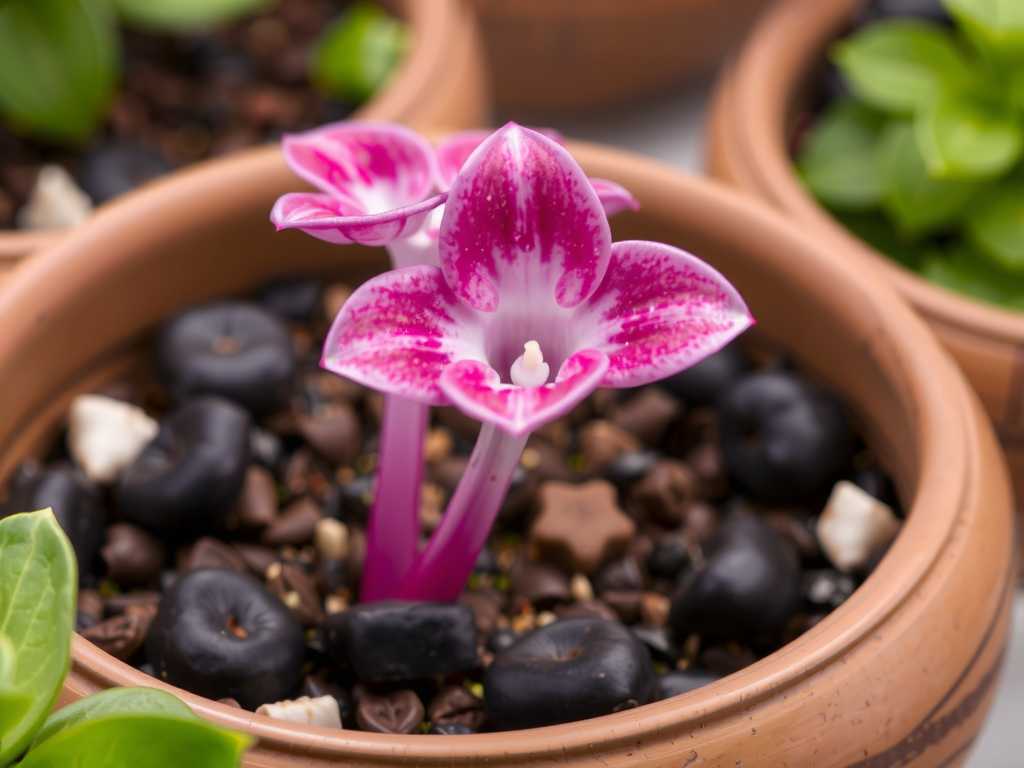
Before diving into care routines, it's crucial to know what type of Pinguicula you have. This directly dictates its needs. Broadly, they fall into two seasonal categories: tropical butterworts and temperate butterworts.
Tropical Pinguicula, like the popular Pinguicula moranensis, grow year-round. They do not require a winter dormancy period. Instead, they may shift between producing carnivorous leaves in their growth phase and smaller, succulent-like leaves in a drier rest phase.
Temperate Pinguicula, such as Pinguicula vulgaris, are native to colder climates. They have a strict, mandatory dormancy period in winter. During this time, they form a tight, hibernating bud called a hibernaculum. Recognizing this cycle is vital for their long-term survival.
Providing the Perfect Light for Lush Growth
Light is the engine of plant growth, and for Pinguicula, it's what powers their insect-trapping prowess. The goal is bright, indirect light.
An east or west-facing windowsill is often ideal, offering several hours of gentle morning or afternoon sun. A south-facing window can work if filtered by a sheer curtain, especially to prevent scorching during peak summer heat.
For those without sufficient natural light, artificial grow lights are an excellent solution. LED or fluorescent full-spectrum lights placed 6 to 12 inches above the plant for 12-14 hours a day will promote compact, colorful, and dewy growth. As noted by horticulturist Dr. Damon Collingsworth of California Carnivores, "Adequate light intensity is non-negotiable for stimulating the production of digestive enzymes and maintaining the plant's vibrant appearance."
The Critical Balance: Watering and Humidity
This is where most butterwort care goes awry. They are extremely sensitive to dissolved minerals and chemicals found in tap water, which can burn roots and coat leaves.
Always use pure water. Rainwater, distilled water, or reverse osmosis water are the only safe choices. Never use spring, mineral, or tap water.
The "Tray Method" is the gold standard for watering carnivorous plants like Pinguicula. Place your pot in a shallow saucer or tray and keep it filled with about 0.5 inches of pure water. Allow the tray to dry out for a day before refilling. This keeps the soil consistently moist but not waterlogged from the bottom up, mimicking the damp conditions of their native environments.
While they appreciate moderate humidity (around 50-60%), Pinguicula are generally more forgiving than other carnivores like sundews. Grouping plants together or using a humidity tray (a tray filled with pebbles and water) can help create a localized humid microclimate without making the plant susceptible to fungal issues.
Crafting the Ideal Soil Mix
Pinguicula absolutely cannot grow in standard potting soil. Its nutrients and moisture retention will cause root rot and kill the plant. They require a sterile, acidic, and nutrient-poor medium.
A perfect Pinguicula soil mix is simple:
- 50% Peat Moss or Long-Fibered Sphagnum Moss
- 50% Perlite or Horticultural Sand
The moss provides acidity and moisture retention, while the perlite or sand ensures sharp drainage and aeration. Pre-mixed "carnivorous plant soil" from specialized retailers is also a reliable option. Repotting is typically needed only every 1-2 years in early spring, as the medium breaks down.
To Feed or Not to Feed? Mastering Pinguicula Nutrition
A common question is, "How do I feed my butterwort?" The beautiful part is, if you provide sufficient light, they will largely feed themselves by catching small insects like gnats, springtails, or fruit flies on their sticky leaves.
If your plant is indoors and not catching pests, you can supplement its diet occasionally. Options include:
- Freeze-dried bloodworms (rehydrated with a drop of water) gently placed on a leaf.
- Maxsea fertilizer, a very dilute foliar spray (1/4 teaspoon per gallon of water), applied sparingly to the leaves every 3-4 weeks during active growth.
The key is moderation. Overfeeding can rot leaves. A small feeding once a month during spring and summer is more than enough. The plant derives most of its energy from photosynthesis, not insects.
Navigating Dormancy for Temperate Species
For owners of temperate Pinguicula, mastering dormancy is the key to perennial success. As daylight shortens and temperatures drop in late autumn, your plant will begin to change.
It will stop producing carnivorous leaves and form a small, tight bud at the center—the hibernaculum. During this period, which lasts 3-4 months, care changes dramatically.
Move the plant to a colder location (between 32°F and 45°F / 0°C and 7°C). An unheated garage, cold frame, or refrigerator can work. Light is not required. Keep the soil only slightly damp, not wet. Come spring, as temperatures warm, return it to its bright growing location, and it will resume growth.
Troubleshooting Common Pinguicula Problems
- Leaves are not sticky/dewy: This is almost always caused by insufficient light. Increase light intensity or duration.
- Leaves are turning brown or black: Could be from sunburn (too direct, hot sun), water with minerals, or old leaves naturally dying back.
- Plant looks wilted or soft: Usually a sign of root rot from overly soggy soil or the wrong potting mix. Repot into fresh, well-draining medium.
- No growth or small leaves in winter (Tropical types): This may be its natural "succulent phase." Reduce watering slightly until longer days return.
Propagation: Sharing Your Success
Once your Pinguicula is thriving, you can easily propagate it.
- Leaf Pullings: Gently pull a healthy leaf from the base, lay it on damp sphagnum moss, and keep it humid. Tiny plantlets will form along the edge.
- Division: During repotting, mature clumps can be carefully separated into individual plants.
Why are the leaves on my Pinguicula not shiny or sticky? A lack of dew is primarily a light issue. Butterworts produce their sticky mucilage to trap insects, but this process demands significant energy from bright, indirect light. Move your plant to a brighter location or supplement with a grow light. Low humidity can sometimes be a secondary factor, but light is the first thing to address.
Can I use tap water if I let it sit out for a day? No. Letting water sit out only evaporates chlorine, not the dissolved mineral salts (like calcium and magnesium) that are harmful to Pinguicula. These minerals accumulate in the soil, eventually poisoning the roots. Consistent use of pure water—rainwater, distilled, or reverse osmosis—is essential for long-term health.
My temperate butterwort formed a hard, small bud. Is it dead? Far from it! This bud, called a hibernaculum, is a sign your plant is healthy and entering its crucial winter dormancy. Place it in a cold (but not freezing), dark location for the winter, keep the soil just barely damp, and wait patiently. It will burst back to life with fresh growth in the spring.
Caring for Pinguicula is a rewarding journey into the world of specialized botany. By respecting their need for pure water, bright light, and the correct soil, you unlock their full potential. Paying attention to their type—tropical or temperate—guides you through their seasonal rhythms. Whether it's the satisfaction of seeing a new flower spike or the marvel of a leaf glistening with dew, a well-cared-for butterwort offers endless fascination. Start with the fundamentals, observe your plant's responses, and you'll be well on your way to achieving truly optimal growth.





