 bluename
 How to Care for Pinguicula: Ultimate Care Cheat Sheet
You've brought home a fascinating butterwort, captivated by its delicate, jewel-like appearance and its clever insect-trapping prowess. But now, you're staring at its rosette of sticky leaves, wondering: is this a succulent? A tropical plant? How do I keep this unique carnivore thriving and not just surviving? The confusion between their different types and specific needs is the number one reason these charming carnivores fail to flourish. Fear not. This ultimate care guide will demystify how to care for Pinguicula, transforming uncertainty into confidence.
Understanding your butterwort's native habitat is the first and most crucial step to success. Unlike many houseplants, a one-size-fits-all approach guarantees failure.

Mexican Pinguicula (Tropical Butterworts) These are the most common types found in cultivation. They experience a distinct seasonal cycle, which dictates their care.
- Growth Phase (Spring-Fall): They produce flat, carnivorous leaves with sticky dew to catch prey. They appreciate brighter light, consistent moisture, and warmer temperatures.
- Dormancy (Winter): They form a tight, succulent-like non-carnivorous rosette. During this time, they require less water and cooler temperatures.
Temperate Pinguicula Native to colder climates, these require a mandatory, harsh winter dormancy where they die back to a hibernaculum (a dormant bud). They are best suited for outdoor bog gardens or specialized cold frames.
Light: The Foundation of Health and Color
Providing the right amount of light is non-negotiable for robust growth and stunning coloration.
- Ideal Conditions: Most Pinguicula, especially Mexican varieties, thrive in very bright, indirect light. An east or west-facing windowsill is often perfect. Several hours of direct morning or late afternoon sun is beneficial.
- Signs of Perfect Light: Plants will exhibit compact, colorful growth. Many species will develop pink, red, or purple hues on their leaves when light levels are optimal.
- Signs of Insufficient Light: The plant becomes leggy, stretches towards the light source, produces pale green leaves, and loses its dew. As noted by carnivorous plant expert Dr. Barry Rice, "Light is the primary driver of mucilage production in butterworts; without it, they cannot function as carnivores."
- Artificial Lighting: If natural light is inadequate, a simple LED grow light placed 6-12 inches above the plant for 12-14 hours a day works excellently.
Water: The Most Common Pitfall
Getting watering wrong is the fastest way to lose a butterwort. They are extremely sensitive to dissolved minerals and chemicals found in tap water.
- Water Type: You must use only low-mineral water. This includes rainwater, distilled water, reverse osmosis (RO) water, or water from a dehumidifier. Tap, spring, or bottled drinking water will accumulate minerals and kill the plant.
- Watering Method (Top Watering): For potted Mexican Pinguicula, the "top watering" method is recommended. Water thoroughly from the top until it drains freely from the pot, then allow the growing medium to approach dryness (but not become bone-dry) before watering again. Never let them sit in a deep saucer of water permanently.
- Tray Method (For Temperate/Bog Species): Temperate varieties and those in bog setups can be kept in a shallow tray of water (0.5 inches), which is allowed to evaporate before refilling.
Soil and Potting: Creating the Perfect Root Environment
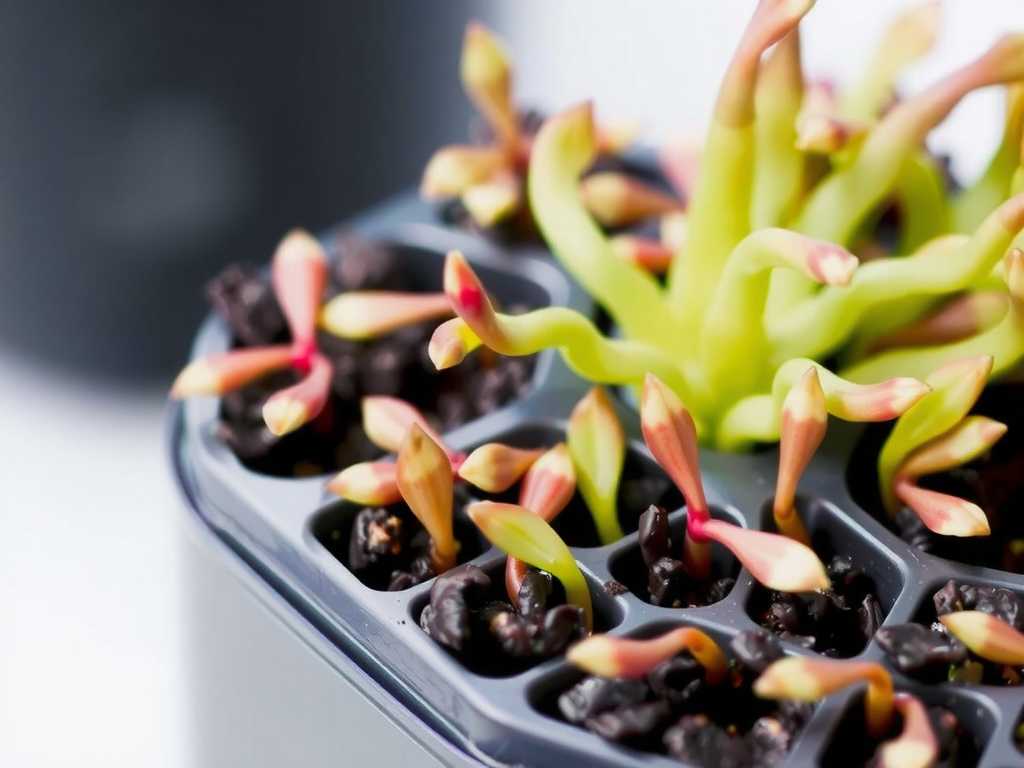
Butterworts have delicate root systems that demand an airy, nutrient-free medium.
- Soil Mix Formula: A standard and effective mix is a 1:1 ratio of perlite to peat moss. Some growers also use fine silica sand or vermiculite. The key is acidity and excellent drainage.
- Pot Choice: Plastic or glazed ceramic pots are ideal. Unglazed terracotta pots can leach minerals and wick moisture away too quickly. Ensure the pot has adequate drainage holes.
- Repotting: Repot every 1-2 years in fresh medium to prevent compaction and mineral buildup. The best time is at the start of the active growth phase.
Feeding: Do I Need to Feed My Butterwort?
This is a common question for Pinguicula plant care. While they are capable of catching their own food, supplemental feeding can boost growth and flowering.
- Natural Feeding: In a sunny windowsill or outdoors, they will catch small gnats, springtails, and other micro-fauna on their own.
- Supplemental Feeding: If kept indoors in a sealed terrarium or a bug-free environment, you can occasionally place dried bloodworms (fish food) or small freeze-dried insects onto a leaf. The dew will digest it. Never use fertilizer in the soil.
Seasonal Care & Dormancy Management
Mastering the seasonal cycle, especially for Mexican Pinguicula, is the mark of an advanced grower.
- Recognizing Dormancy: As daylight wanes, your Mexican butterwort will stop producing carnivorous leaves and begin forming a tight, small rosette of dense, non-sticky leaves.
- Winter Care Routine: During dormancy, significantly reduce watering. The soil should be kept barely damp, not wet. Move the plant to a cooler spot (50-60°F / 10-15°C is ideal) with slightly less light. Do not feed it.
- Spring Awakening: As days lengthen, gradually increase water and light. The plant will resume producing its classic carnivorous leaves.
Troubleshooting Common Pinguicula Problems
- Leaves Losing Dew: Almost always caused by insufficient light, low humidity, or the use of improper water.
- Leaves Turning Black/Brown: Can be a sign of overwatering, especially during dormancy, or sunburn from sudden, intense direct sunlight.
- Mold or Fungus: Caused by stagnant air and excessive moisture. Improve air circulation and reduce watering frequency.
- Poor Growth or No Flowers: Often linked to inadequate light or lack of a proper dormancy period.
How often should I water my Pinguicula? There is no fixed schedule. Water thoroughly when the top layer of the soil mix feels just dry to the touch during the growth period. In dormancy, water only sparingly to prevent the succulent leaves from shriveling, perhaps once every few weeks. Always use distilled, rain, or RO water.
Can I grow different types of Pinguicula together? It's best to group plants with similar needs. Keep Mexican butterworts together and separate from temperate species, as their water, light, and dormancy requirements differ drastically. Mixing them usually leads to one type declining.
Why is my butterwort not sticky anymore? A lack of dew is a distress signal. The most common culprits are inadequate lighting and poor water quality. Ensure your plant receives several hours of direct or very strong indirect light daily and that you are strictly using mineral-free water. Low humidity can also be a factor; consider a small humidifier or a pebble tray if your air is very dry.
With the right knowledge, growing healthy Pinguicula becomes a rewarding and straightforward endeavor. It boils down to a few key pillars: intense light, pure water, an airy soil mix, and respect for their natural seasonal rhythm. By mimicking the conditions of their native environments—whether the sunny, limestone cliffs of Mexico or the cool bogs of North America—you enable these remarkable plants to not only survive but to showcase their full, dewy, and colorful potential. Start by mastering the basics of light and water, and observe how your butterwort responds; it will quickly tell you what it needs.





