 bluename
 How to Care for Pinguicula: Sunburn Prevention Tips
I’ll be honest—the first time I saw the delicate, jewel-like leaves of my Pinguicula, or butterwort, curl up and turn a sickly, crispy brown, my heart sank. I thought I was giving it the “full sun” everyone talked about. Instead, I’d given it a severe case of sunburn. If you’re here, you’ve probably faced that same gut-wrenching sight. Protecting these carnivorous beauties from harsh light isn’t just a tip; it’s the cornerstone of keeping them thriving. Over the years, through trial and plenty of error, I’ve developed a system to prevent Pinguicula sunburn that actually works. This guide is my firsthand account, detailing the exact steps I take, the mistakes I’ve made, and the simple adjustments that can save your plant.
Understanding why Pinguicula sunburn prevention is so crucial starts with knowing the plant itself. Unlike desert succulents, many Pinguicula species in cultivation hail from environments with bright but often filtered light—think the dappled shade of a mossy rock or the bright but indirect light of a greenhouse. Their succulent leaves are designed for catching insects, not for enduring the relentless, midday summer sun. A sunburned butterwort isn’t just cosmetically damaged; its photosynthetic machinery is impaired, growth stalls, and it becomes vulnerable to secondary infections. As noted by the International Carnivorous Plant Society, light stress is one of the most common issues for new growers, often mistaken for disease or nutrient deficiency.
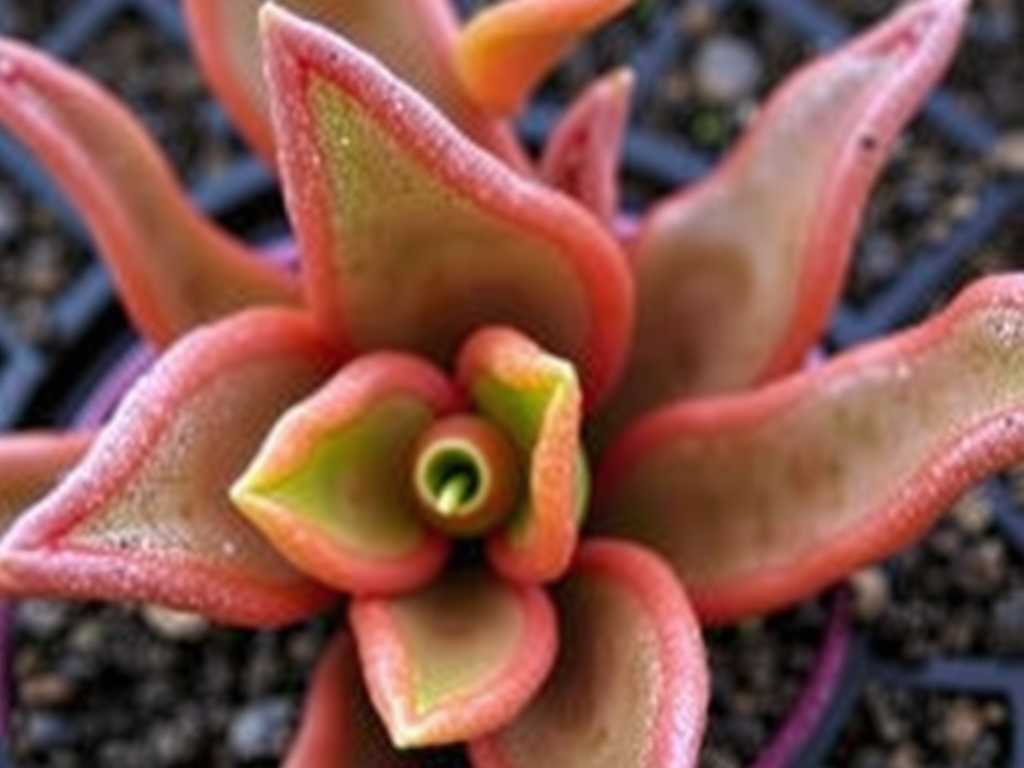
My Personal Light Adjustment Protocol: A Two-Week Experiment
After losing a prized Pinguicula ‘Sethos’ to bleaching and scorch, I decided to methodically test and document a recovery and prevention plan. I started with a new, healthy Pinguicula agnata that was showing the very first signs of light stress—a slight paling of its normally vibrant green leaves.
Week 1: The Immediate Rescue Phase
Day 1-3: Assessment and Relocation. The first step was immediate damage control. I moved the plant from its south-facing windowsill (a prime culprit for butterwort leaf scorch) to an east-facing window that received only gentle morning sun. This provided bright indirect light for the rest of the day. I also used a sheer white curtain as a diffuser, which instantly softened the light intensity. A simple digital light meter confirmed the drop from over 50,000 lux to a safer 15,000-20,000 lux range during peak hours.
Day 4-7: Hydration and Observation. Sunburn stresses the plant’s water regulation. I made sure the plant’s substrate (a mix of peat and perlite) remained consistently moist, not soggy, using the tray method with distilled water. I resisted the urge to mist the leaves, as water droplets can act like magnifying glasses under light. I carefully removed one fully crisped leaf to prevent potential rot but left any partially damaged ones, as they could still contribute some energy. By day 7, the paling had stopped progressing. No new leaves showed signs of stress.
Week 2: Acclimation and Fine-Tuning
Day 8-14: Gradual Re-introduction (Optional). For robust growers like Pinguicula moranensis, some can tolerate more light if acclimated slowly. After a week of stability, I began a very gradual process. I moved the plant back to the south window for just 30 minutes in the late afternoon (the weakest direct sun), then immediately returned it to its east window. I increased this exposure by 15-20 minutes every other day, closely monitoring the leaf color and texture.
The Results and The “Gotcha” Moment. After two weeks, the plant in the east window was thriving. It had produced two new, perfectly formed, sticky leaves with a rich green color. The one I was attempting to re-acclimate, however, developed a faint yellow tinge on a leaf edge on day 12—a clear warning sign. I halted the experiment and left it in the east window. The lesson was seared in: it’s far easier to provide adequate light for Pinguicula without direct scorch than to repair damage or force tolerance. Prevention is infinitely more successful than cure.
Key Strategies for Perfect Pinguicula Lighting
Based on my trials, here’s how I now manage light for all my butterworts to completely avoid sunburn.
Decoding the “Bright Light” Requirement
“Bright light” is the most misleading term in plant care. For Pinguicula, I interpret it as “long duration of high-quality, indirect light.” My goal is 10-14 hours of bright, filtered light. Direct sun is only safe if it’s very early morning or late afternoon, and even then, I proceed with caution. North or East-facing windows are often ideal in the Northern Hemisphere. A south or west window must have diffusion—a sheer curtain, a shade cloth, or distance from the pane.
Leveraging Technology: Using Grow Lights Safely
This was my game-changer. Grow lights allow complete control over intensity and duration, eliminating the guesswork with seasons and weather. I use full-spectrum LED panels or bars. The critical step I learned the hard way? Measuring distance. I once hung a new LED panel too close, causing etiolation (stretching) because the light spread was poor, then burned the tops when I lowered it too aggressively.
My successful setup: I place my lights 12 to 18 inches above the rosette of common Pinguicula hybrids. I use a light meter app (as a relative guide) to aim for a consistent 12,000-18,000 lux at leaf level for 12-14 hours daily. A timer automates this, providing the consistency these plants love. According to resources from the Carnivorous Plant Hub, LEDs are excellent for butterworts as they produce minimal heat, reducing the risk of thermal leaf burn.
Seasonal Adjustments Are Non-Negotiable
The angle and intensity of the sun change dramatically with the seasons. My summer strategy involves pulling plants back from windows or adding an extra layer of diffusion. Winter is trickier. While the sun is weaker, daylight hours are shorter. I supplement my windowsill plants with a few hours of gentle grow light in the evening to maintain their photoperiod. This prevents the weak, compact growth that can make them even more susceptible to light stress in carnivorous plants when stronger spring sun arrives.
Signs You’re Getting It Right (And Red Flags to Heed)
Learning to read your Pinguicula’s leaves is your most valuable skill.
Healthy Light Indicators:
- The rosette maintains a tight, flat, or slightly upward-curving form.
- Leaves exhibit a vibrant green, sometimes with blushes of pink or red (a positive “suntan” from ideal light, not a burn).
- New leaves are consistently sized or larger than previous ones.
- A steady production of dewy mucilage on the leaf surface for trapping insects.
Early Warning Signs of Too Much Light:
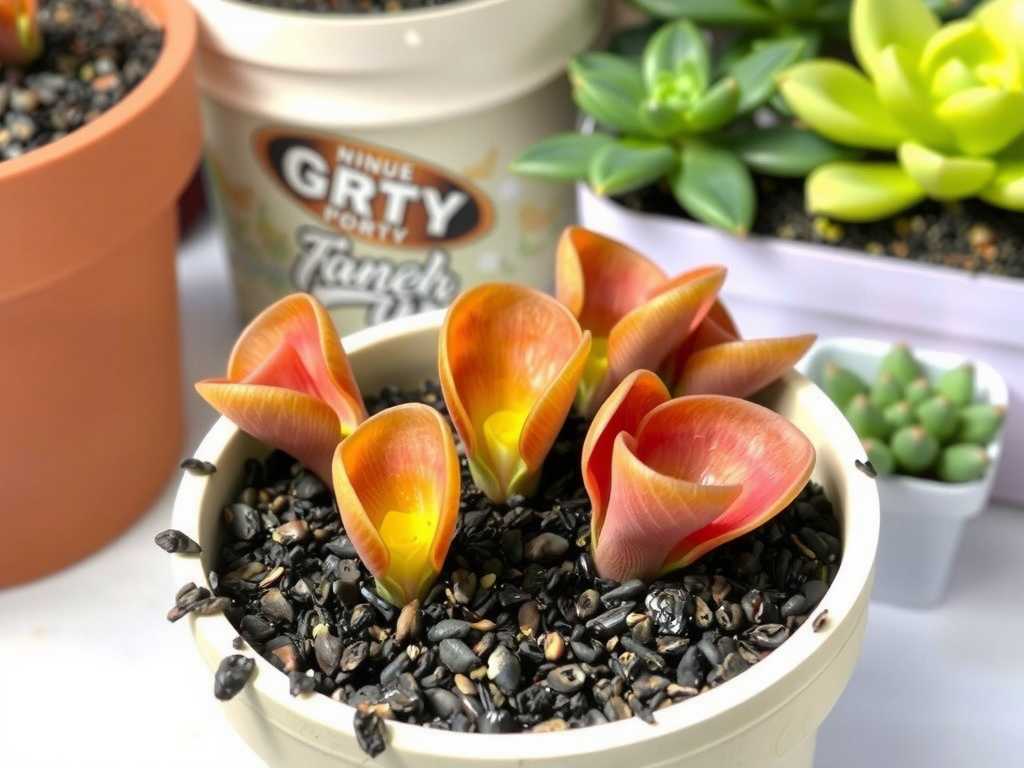
- Paling or Bleaching: Leaves lose their green pigment, turning yellowish or pale.
- Discoloration: Patches of white, tan, or brown, often starting at the leaf tips or margins.
- Texture Change: Leaves feel unusually hard, crispy, or leathery to the touch.
- Stunted Growth: The plant stops producing new leaves, or new leaves are significantly smaller and misshapen.
If you see any red flags, act immediately. Move the plant to a shadier location. Do not fertilize or repot—this adds more stress. Simply provide stable conditions and allow it to recover.
How can I tell if my Pinguicula is getting enough light if I’m avoiding direct sun? Look for compact, colorful growth. A healthy, well-lit butterwort that isn’t burning will have a symmetrical rosette, vibrant leaf color, and will actively produce sticky dew. If the plant starts stretching out with long, thin leaves and lacks dew, it needs more light intensity or duration.
Can a sunburned Pinguicula leaf recover? The damaged tissue on a severely sunburned leaf will not recover or turn green again. The best course is to allow the plant to redirect energy to new growth. You can gently trim away fully dead portions for aesthetics, but the plant will often absorb nutrients from partially damaged leaves before shedding them naturally. Focus on providing perfect conditions for new, healthy leaves to emerge.
Are some Pinguicula varieties more sun-tolerant than others? Absolutely. Mexican and tropical butterwort hybrids (like Pinguicula ‘Weser’ or P. moranensis) generally tolerate brighter conditions than temperate species. Even among them, tolerance varies. Alpine or temperate species require much more protection. Always start with a more conservative light setting and observe for a few weeks before considering increasing exposure. It’s far safer to err on the side of less direct light.
Protecting your Pinguicula from sunburn ultimately comes down to observation and empathy. See the world from its perspective. That “bright spot” on your shelf might be a harsh desert to its delicate leaves. By prioritizing bright, indirect light, utilizing controlled grow lights, and becoming fluent in the language of its leaves, you create an environment where it can focus on what it does best: growing beautifully and catching the occasional gnat. The reward is a stunning, dewy rosette that thrives for years, a clear testament to the power of careful, informed prevention over reaction.





