 bluename
 How to Care for Pinguicula: Nutrient Requirements Demystified
You know that feeling. You’ve brought home a stunning Pinguicula, or butterwort, with its jewel-like rosette and dewy, insect-trapping leaves. It’s thriving… for a while. Then, growth slows. The leaves might look a bit off, or it just doesn’t seem as vigorous as it should. You’re doing everything right with light and water, right? This was my exact frustration. I realized the missing piece, the secret sauce I’d overlooked, was understanding the nutrient requirements for Pinguicula. It’s not about feeding it like a typical houseplant; it’s about harnessing its unique carnivorous nature. After years of trial, error, and meticulous observation, I’ve cracked the code. Let me walk you through the practical, no-nonsense guide to nourishing your butterwort for explosive, healthy growth.
The Core Principle: Butterworts Are Not Your Average Green Friends
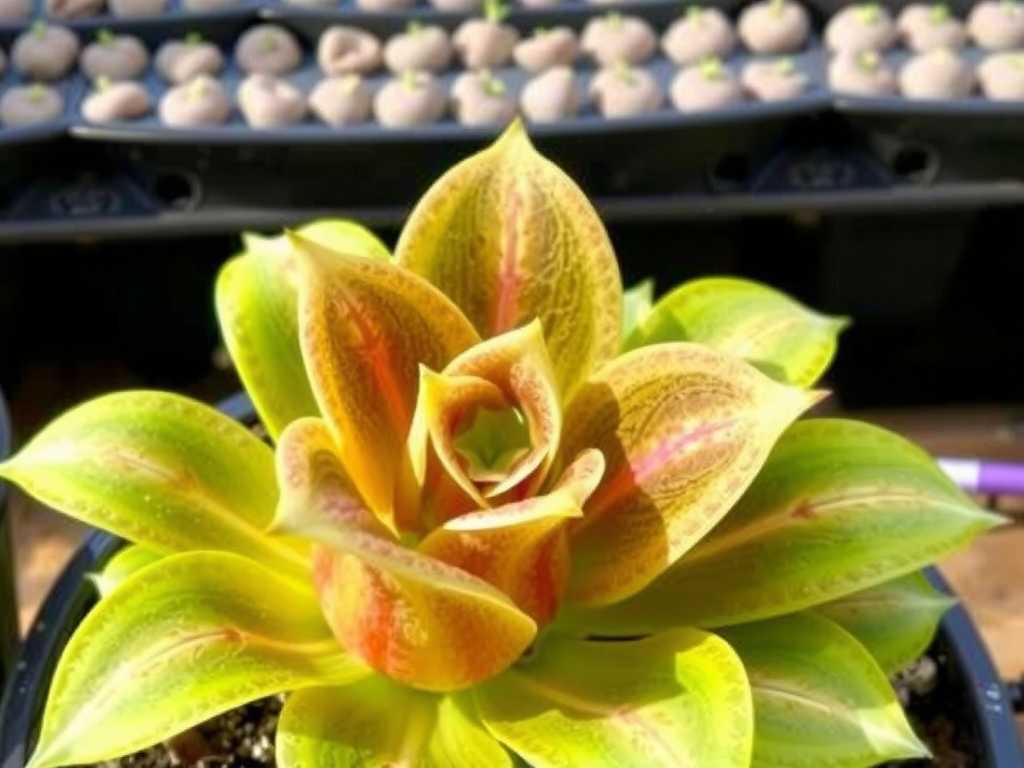
Most houseplants pull nutrients from soil through their roots. Pinguicula turns this concept on its head. In their natural, nutrient-poor habitats (like bogs or rocky outcrops), they evolved to get their sustenance primarily from captured insects through their specialized leaves. Their root systems are largely for anchorage and water uptake. This is the fundamental rule that guides everything about feeding Pinguicula plants. Pouring standard fertilizer into their soil is a one-way ticket to root burn and a dead plant. The key is delivering nutrients in a way that mimics their natural process: topically, and in minute, controlled amounts.
My Two-Week Feeding Experiment: Observing the Direct Impact
To move from theory to practice, I set up a simple but revealing experiment with two identical, mature Pinguicula ‘Sethos’ plants. Both received the same light, water (distilled), and conditions. For two weeks, I followed a specific protocol with one, while the other served as a control.
-
Week 1: The Setup and First Application I chose a common, weak fertilizer often recommended by carnivorous plant societies: Maxsea 16-16-16, diluted to 1/4 teaspoon per gallon of water—an incredibly weak solution. Using a small pipette, I carefully placed a single tiny droplet (less than 1/8th of a drop) of this diluted fertilizer onto three separate leaves of the test plant, avoiding the crown. The control plant received only distilled water on its leaves. I documented their starting points with photos.
-
Week 2: Observation and Repeat After one week, the difference was subtle but noticeable. The fed plant’s new leaves emerging from the center appeared slightly larger and had a more robust, glossy look. The control plant was healthy but static. I repeated the foliar feeding process once more during the second week. By the end of the fortnight, the results were clear. The fed Pinguicula had produced noticeably faster leaf growth, and the overall rosette was denser. The control was fine but hadn’t shown the same burst of development. This small-scale test solidified for me that targeted, minimal nutrition for butterworts via foliar feeding directly stimulates growth.
The Right Way to Feed: A Step-by-Step Guide
Based on my experiments and extensive reading from authorities like the International Carnivorous Plant Society (ICPS), here’s the safe and effective method.
Choosing Your Nutrient Source You have two excellent, safe options:
- Live or Dried Insects: The most natural method. Small gnats, springtails, or even a tiny fragment of a dried bloodworm (fish food) placed on a leaf works.
- Diluted Foliar Fertilizer: This is my preferred method for consistency. Use a balanced, urea-free fertilizer like Maxsea or an orchid fertilizer at no more than 1/4 strength of the already-diluted bottle instruction. As noted by experts on the Carnivorous Plant Resource, urea can be harmful to these plants.
The Application Process Patience and precision are everything.
- Step 1: Mix your solution if using fertilizer. Use distilled or rainwater.
- Step 2: Use a precise tool—a micropipette, a syringe without a needle, or even a dampened cotton swab.
- Step 3: Apply a minuscule amount. For liquid, one tiny droplet per leaf is plenty. For solids, a speck no bigger than a pinhead.
- Step 4: Apply to only a few leaves (2-3) on the outer part of the rosette, never into the crown where new growth forms. This prevents rot.
- Step 5: Frequency is less is more. During active growth (Spring-Fall), feeding once every 2-4 weeks is sufficient. In winter, during dormancy for many species, stop feeding entirely.
The Pitfalls I’ve Encountered (And How to Fix Them)
My journey wasn’t without casualties. Here’s where I went wrong so you don’t have to.
- The “More Must Be Better” Mistake: Early on, I thought a light spray of fertilizer solution would be efficient. The result was leaf burn—blackened, sad tips. The fix was immediate: I rinsed the leaves gently with distilled water and returned to the droplet method. The plant recovered with new growth.
- Overfeeding and Crown Rot: In my enthusiasm, I once applied droplets too close to the center. Combined with overly moist conditions, it led to a soft, rotting crown. I had to perform surgery, removing the rot and hoping for basal offsets. It survived, but it was a stressful lesson. Now, I keep all nutrients far from the crown.
- Ignoring Dormancy: I continued my minimal feeding schedule into the winter for a Pinguicula grandiflora, not realizing it needed a dry, cool dormancy. It became weak and susceptible to mold. Research from the Alpine Garden Society (AGS) highlights the critical importance of respecting the dormant period for many temperate Pinguicula, during which all feeding must cease. I corrected this by moving it to a cooler, brighter spot and withholding water and food until spring, when it regrew beautifully.
Seasonal Considerations and Growth Cycles
Your Pinguicula feeding schedule must adapt to its life cycle.
- Active Growth (Succulent Phase): For most tropical and subtropical varieties, this is when they produce their carnivorous, sticky leaves. This is the prime time for gentle feeding.
- Dormancy (Temperate Species): Many butterworts form a tight, non-carnivorous “hibernacula” bud in winter. During this time, they require no nutrients, less water, and cooler temps. Feeding will harm them.
- Flowering: When your Pinguicula sends up a flower stalk, it’s directing energy. A light feeding a few weeks before flowering can support this effort, but it’s not strictly necessary if the plant is otherwise healthy.
Essential Non-Nutrient Factors
Nutrition doesn’t exist in a vacuum. For your feeding strategy to work, these pillars must be solid:
- Water: Always use distilled, reverse osmosis, or rainwater. Tap water minerals will accumulate and poison the plant, negating any careful feeding.
- Light: Provide bright, indirect light or several hours of direct sun (acclimated gradually). Strong light fuels the plant’s ability to utilize the nutrients it captures.
- Soil: A completely inert, nutrient-free mix is mandatory. A standard blend is a 1:1 mix of peat moss and perlite. Never use potting soil or compost.
Addressing Your Top Questions
Can I use regular plant fertilizer if I dilute it a lot? I strongly advise against it. Standard fertilizers often contain forms of nitrogen (like urea) and mineral salts that carnivorous plants cannot process and that will quickly build up to toxic levels in their soil. The risk far outweighs any potential benefit. Stick to the recommended, safe options.
My Pinguicula lives indoors and catches no bugs. Will it starve? Absolutely not. While catching bugs is beneficial, Pinguicula primarily photosynthesizes for energy, just like other plants. The nutrients from prey or careful feeding act like a vitamin boost, promoting faster and larger growth. A plant that catches nothing will survive but may grow slower. This is where a careful foliar feeding regimen shines.
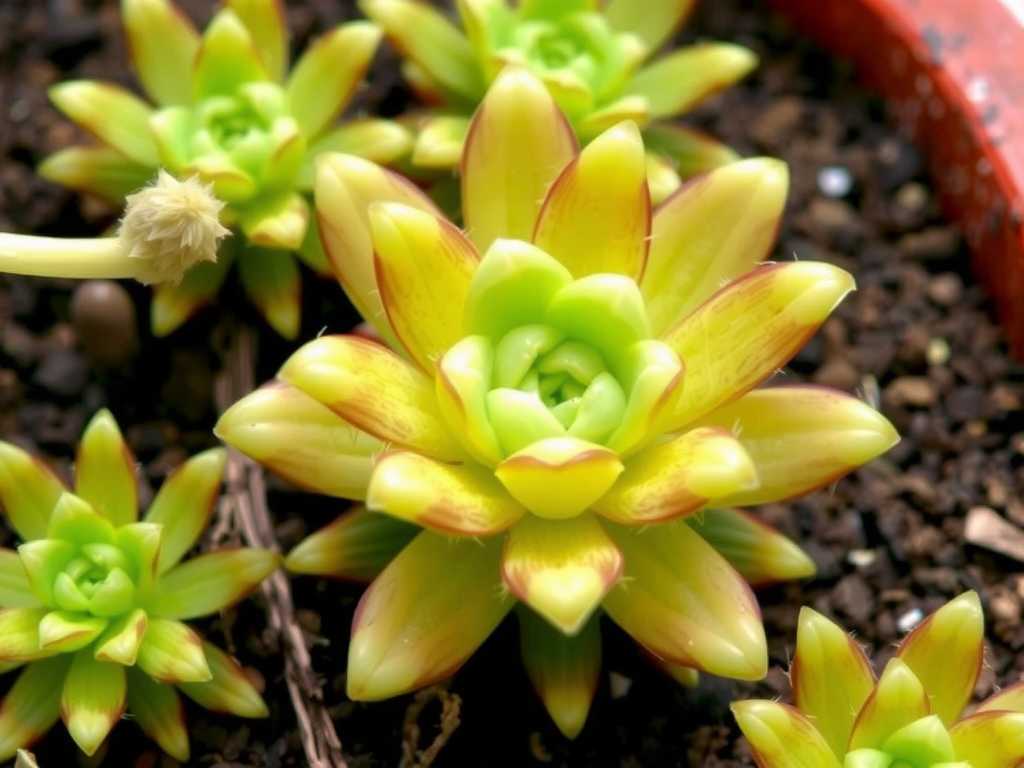
How do I know if I’ve overfed my plant? The signs are usually clear: the fed leaves may turn black or yellow rapidly, starting at the tips; the plant may look generally unhappy and stop growing; or in severe cases, the crown may become mushy. If you suspect overfeeding, flush the pot thoroughly from the top with distilled water to dilute any soil contaminants and stop all feeding until the plant fully recovers and shows new, healthy growth.
Mastering the nutrient requirements for Pinguicula is what separates those who simply keep these plants alive from those who make them thrive. It’s a practice of restraint, observation, and mimicking nature’s subtle cues. By providing pure water, intense light, the right soil, and supplementing with microscopic, targeted nutrients, you’ll witness your butterwort transform. You’ll see larger rosettes, more frequent and vibrant flowers, and a resilience that comes from perfect health. Start small, be patient, and let your plant show you the results. The reward is a captivating, living jewel that flourishes under your informed care.





