 bluename
 How to Care for Pinguicula with Nutrient Overload: A Grower's Rescue Guide
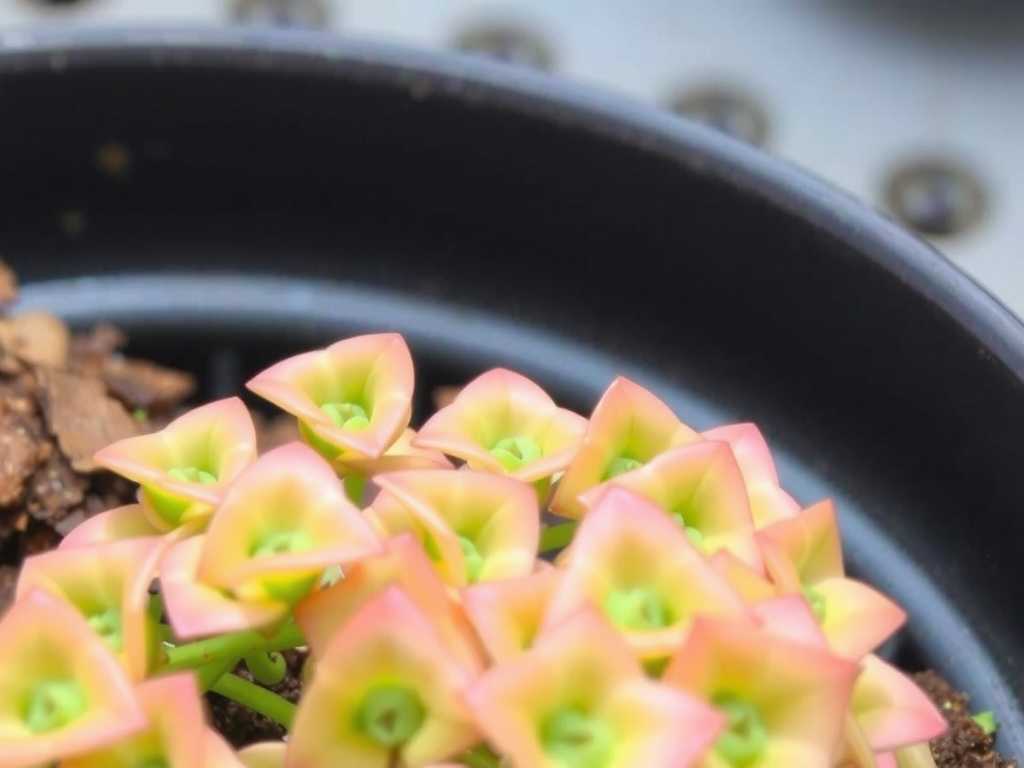
I’ve killed my share of plants. But watching a once-vibrant Pinguicula, or butterwort, slowly succumb to soft, discolored leaves is a special kind of heartbreak. You’re doing everything “right”—feeding it, giving it light, keeping it moist—yet it’s failing. If this sounds familiar, you’re likely dealing with nutrient overload in Pinguicula. This silent killer is a common mistake, especially for those of us transitioning from nurturing typical houseplants. Carnivorous plants like butterworts have evolved in nutrient-poor soils, and their delicate roots and foliage simply can’t handle the mineral salts found in standard fertilizers, potting mixes, or even tap water. I learned this the hard way, and over a critical two-week rescue mission, I developed a clear, actionable protocol to save a suffering plant.
My journey began with a Pinguicula ‘Sethos’ that had lost its firm, succulent texture. The leaves were pale, slightly yellow at the base, and felt unpleasantly soft. New growth was stunted. I knew I had been overzealous, using a standard potting soil amendment months prior, thinking a little “boost” wouldn’t hurt. It did. Recognizing Pinguicula nutrient toxicity was the first step. According to the International Carnivorous Plant Society (ICPS), the primary signs include leaf burn (browning at the tips), overall yellowing (chlorosis), a loss of stickiness on the leaf surface as glands are damaged, and in severe cases, root rot. My plant was textbook.
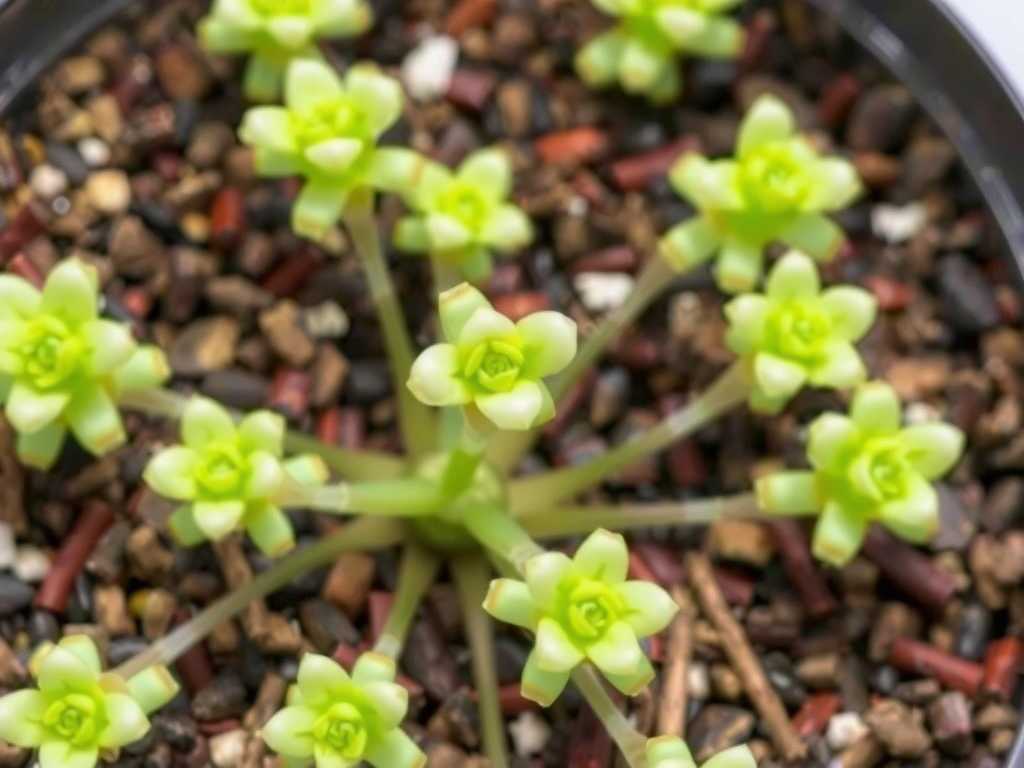
Step 1: The Emergency Repot – Flushing the System
The only definitive solution for severe over-fertilized butterwort care is a complete substrate change. This isn’t a routine repot; it’s an emergency transplant.
What I Used:
- New Pot: A clean, plastic pot with ample drainage holes. I soaked it in a distilled water rinse to remove any contaminants.
- Correct Media: A 1:1 mix of pure sphagnum peat moss (no additives) and perlite. I rinsed the perlite thoroughly with distilled water to remove dust. As the Carnivorous Plant Resource notes, this inert, acidic, low-nutrient mix mimics their natural habitat.
- The Lifeline: A gallon of distilled water or reverse osmosis (RO) water. Tap water, even if left to sit, contains dissolved minerals that accumulate and cause burn.
The Process:
- I gently removed the Pinguicula from its contaminated soil. The roots were brown and sparse—a bad sign.
- Holding the root ball under a gentle stream of distilled water, I carefully washed away every speck of the old soil. This flushing nutrients from carnivorous plant soil is tedious but non-negotiable. I was gentle to avoid further root damage.
- I prepared the new pot with the fresh peat-perlite mix, moistened with distilled water.
- After making a small hole, I settled the plant in, ensuring the crown (where leaves emerge) was right at the surface level, not buried.
- I gave it a final, thorough soak with distilled water until it freely drained from the bottom. This initial flush helps settle the media around the roots.
Step 2: The Two-Week Recovery Protocol – Observation is Key
Post-repotting, the plant is in shock. The goal is to provide pristine conditions and monitor daily.
Week 1: The Stabilization Phase I placed the repotted Pinguicula in bright, indirect light, avoiding direct sun which could further stress it. I kept the media consistently moist using only distilled water in a tray, allowing the capillary action to water from below. This prevents disturbing the roots. I resisted any urge to feed it insects; it needed to focus on root regeneration, not digestion. The first few days were nerve-wracking. The existing leaves looked worse, and I feared I was too late. This is a normal part of the process—the plant is reallocating energy.
Week 2: Signs of Hope (or Further Trouble) By day 10, I noticed the firmness of the remaining healthy leaves had stabilized. No further softening or yellowing spread. Then, a tiny, bright green nub appeared at the very center—new growth! This was the clearest signal my rescue was working. However, one older leaf began to rot at the base. Following advice from seasoned growers on forums like TerraForums, I used sterilized tweezers to carefully remove this decaying material to prevent fungal spread. The key here was patience and restraint.
The Pitfalls I Encountered and How I Solved Them
My process wasn’t perfect. I made two critical errors that taught me valuable lessons.
Pitfall 1: Misdiagnosing the Problem. Initially, I thought the soft leaves indicated underwatering. I increased watering frequency, which only accelerated the root rot in the toxic soil. Solution: I bought an inexpensive TDS (Total Dissolved Solids) meter. Testing the runoff water from the old pot showed a reading over 50 ppm—far too high for carnivorous plants, which thrive below 50 ppm and ideally near 0. This objective tool confirmed nutrient overload, not thirst.
Pitfall 2: Using the Wrong Water for the Tray. In a moment of convenience, I topped up the humidity tray with filtered tap water, thinking it was “safe.” Within days, a white mineral crust formed on the pot’s rim. Solution: I immediately emptied the tray, cleaned the pot rim with distilled water, and recommitted to using only distilled/RO water for every single interaction with the plant. Consistency is paramount in managing mineral burn in Pinguicula.
Supporting Recovery with Optimal Long-Term Care
Once new growth is established, the focus shifts to preventing a recurrence. Butterworts get their nutrients primarily from catching insects on their sticky leaves. They do not require and are harmed by soil-based fertilization. A healthy Pinguicula in a sunny windowsill will catch its own food. For indoor growers, the occasional small fruit fly or bloodworm placed on a leaf is more than sufficient. The American Horticultural Society’s guide to specialty plants emphasizes that the greatest gift for these plants is pure water, bright light, and the correct, nutrient-devoid growing medium.
Will my Pinguicula ever recover its full stickiness? Yes, but it takes time. The new leaves produced in clean conditions will develop healthy, functional mucilage glands. The old, damaged leaves may never be as sticky and will eventually be replaced. My ‘Sethos’ took about 6 weeks to produce leaves that could effectively trap fungus gnats again.
Can I use rainwater instead of distilled water? Rainwater is an excellent option if you collect it in a clean environment away from roof runoff or pollution. Test it with a TDS meter to be sure. For reliability and to avoid contaminants, many growers, including myself, stick with distilled or RO water.
How do I know if my potting mix is safe? Always read labels. Any pre-mixed soil labeled for “carnivorous plants” is a good start, but you can also make your own. Avoid any product containing fertilizers, compost, or manure. Phrases like “enriched,” “feeds for months,” or “miracle-gro” are red flags. Pure sphagnum peat moss and rinsed perlite or horticultural sand are your safest bets.
Watching a Pinguicula bounce back from nutrient overload is incredibly rewarding. It teaches a fundamental lesson in plant care: more is not always better. By providing the stark, minimalist conditions these fascinating plants evolved for—pure water, bright light, and barren soil—you allow their unique carnivorous nature to thrive. My rescued ‘Sethos’ is now more vigorous than ever, a daily reminder that sometimes, the best care involves knowing what to withhold.





