bluename
 Learning how to care for Pinguicula is essential for any beginner looking to grow this fascinating carnivorous plant. Many new enthusiasts struggle with common issues like root rot or lack of growth, often because they don’t understand the plant’s unique needs. This guide will walk you through everything you need to know to help your Pinguicula thrive.
Light Requirements
Pinguicula thrives in bright, indirect light. Direct sunlight can scorch the leaves, while too little light leads to weak growth and poor stickiness. A south-facing windowsill or under grow lights for 12-14 hours daily works well for most species.
Watering Needs
Keep the soil consistently moist but not waterlogged. Use the tray method by placing the pot in a saucer of water, allowing the plant to absorb moisture from below. Always use distilled or rainwater, as tap water contains minerals that can harm the plant. For Pinguicula care indoors, this method prevents overwatering, a common beginner mistake.
Soil Mix
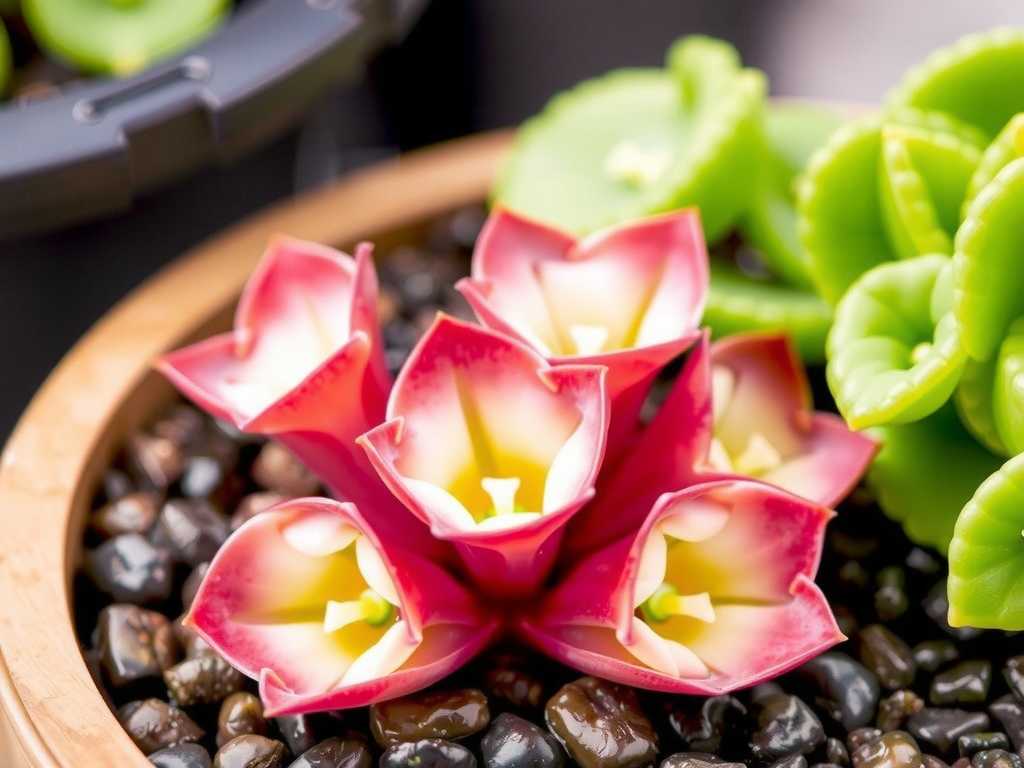
A well-draining mix is critical for healthy root development. Combine peat moss with perlite or coarse sand in a 1:1 ratio. Avoid regular potting soil, which retains too much moisture and can lead to rot. A proper Pinguicula soil mix mimics the plant’s natural boggy habitat.
Temperature and Humidity
Most Pinguicula prefer temperatures between 60-80°F (15-27°C). High humidity (50-70%) is beneficial, but good air circulation prevents mold and fungal issues. During winter, some species enter dormancy, requiring slightly cooler temperatures (45-60°F) and reduced watering. Caring for a dormant Pinguicula involves minimal intervention to avoid disturbing the plant.
Dormancy
Tropical species like Pinguicula moranensis may not require dormancy, while temperate species such as Pinguicula vulgaris need a rest period. Reduce watering and stop fertilizing during dormancy. According to the International Carnivorous Plant Society, allowing a dormant Pinguicula to rest is crucial for long-term health and spring growth.
Propagation
Leaf pullings are the easiest method for beginners. Gently twist a healthy leaf from the base, ensuring a small portion of the stem remains attached. Place the leaf on moist peat moss, and new plantlets will form in a few weeks. Keep the soil consistently moist and provide bright, indirect light. Growing Pinguicula from seed is a rewarding challenge for experienced growers. Sow seeds on a sterile mix of peat and perlite, and cover the container to maintain humidity. Germination can take 4-8 weeks, and seedlings require careful watering to avoid damping off.
Common Problems
Yellow leaves often indicate overwatering or poor drainage. Adjust watering and ensure the pot has drainage holes. Lack of sticky leaves suggests low humidity; increase moisture with a pebble tray. Pests like fungus gnats can be controlled with neem oil or sticky traps. The butterwort plant is generally resilient but requires close observation to catch issues early.
FAQ
How often should I water my Pinguicula? Water when the soil surface feels slightly dry, usually every 2-3 days indoors. Avoid letting the soil dry out completely.
Can I grow Pinguicula outdoors? Yes, in mild climates with protection from direct sun and frost. Place it in a bog garden or container with proper drainage.
Why is my Pinguicula not producing flowers? Insufficient light or improper dormancy can prevent flowering. Ensure the plant receives enough light and, if required, a cool rest period.
By following these steps, even beginners can master how to care for Pinguicula. Observe your plant’s responses and adjust care as needed. With patience and attention to detail, your Pinguicula will reward you with beautiful leaves and delicate flowers.