 bluename
 How to Care for Pinguicula While Growing Outdoors: A Grower’s Real-World Guide
I remember the first time I tried growing my beloved butterworts, or Pinguicula, outside. I thought, “They’re carnivorous plants, they should be tough, right?” I was wrong. Within days, my prized Pinguicula moranensis looked sunburned and my Pinguicula gigantea was starting to rot. That failure sparked a mission. I was determined to master how to care for Pinguicula while growing outdoors. After years of trial, error, and meticulous observation, I’ve distilled a practical guide from a fellow plant lover’s hands-on experience. If you’re worried about scorching sun, improper watering, or losing plants to rot, you’re in the right place. Let’s walk through this together.
Understanding Your Outdoor Butterwort: It’s All About the Type
The single biggest mistake is treating all Pinguicula the same. Their care outdoors hinges entirely on whether they are tropical or temperate species.
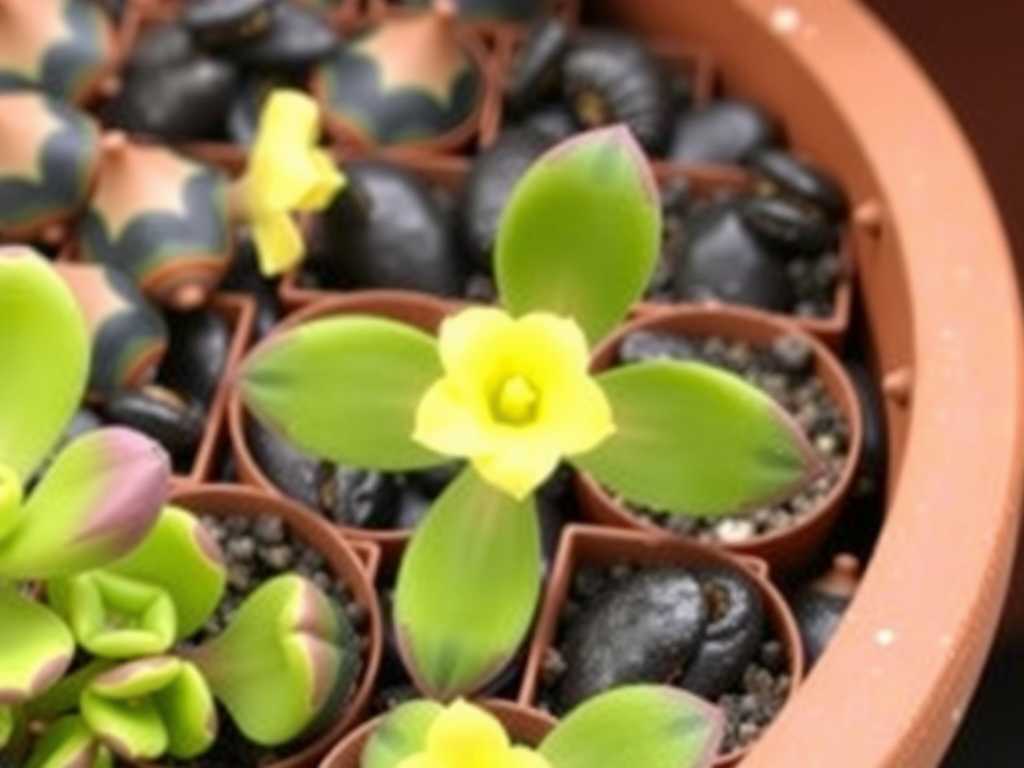
- Tropical Pinguicula (Like P. moranensis, P. gigantea): These are my year-round outdoor stars in milder climates. They don’t require a winter dormancy triggered by cold. Instead, they often shift between a carnivorous “summer” form and a tighter, succulent-like “winter” form. The key is protecting them from freezing temperatures.
- Temperate Pinguicula (Like P. vulgaris, P. grandiflora): These are the hardy survivors. They require a cold winter dormancy to thrive long-term. They will die back to a small, tight bud (a hibernaculum) as frost arrives. This isn’t a sign of failure—it’s essential for their lifecycle.
My Early Pitfall: I initially kept temperate types in my unheated greenhouse, thinking it was “cold enough.” They never got the proper, consistent chill and gradually weakened over two seasons. The fix? I now sink their pots into a sheltered, north-facing garden bed for winter, letting nature provide the proper dormancy.
The Perfect Outdoor Home: Light, Soil, and Potting
Getting the fundamentals right from the start prevents countless problems.
1. Mastering Light Exposure Pinguicula love bright light but despise the harsh, midday frying pan effect. They are not full-sun desert plants.
- The Goldilocks Zone: Aim for bright, indirect light. An east-facing location that gets gentle morning sun is ideal. A spot with dappled afternoon shade under a tree or a shaded patio works wonderfully. According to the Carnivorous Plant Society, most species thrive in “high light levels without scorching direct summer sun,” a guideline that has never steered me wrong.
- My 2-Week Observation Test: Last spring, I placed three identical P. moranensis in different spots: full morning sun (until 11 AM), full afternoon shade, and dappled all-day light. After two weeks, the morning sun plant had slightly red-tinted leaves (a sign of good light stress) and vigorous growth. The all-day dappled light plant was lush and green. The shaded one was slightly stretched. I now target that morning sun or bright dappled light for best results.
2. Crafting the Ideal Soil Mix Forget regular potting soil. It will compact and kill their delicate roots. Drainage is non-negotiable.
- My Go-To Recipe: A simple 1:1 mix of perlite and peat moss. Sometimes, I substitute half the perlite with coarse silica sand or pumice for extra drainage. The International Carnivorous Plant Society recommends similar inert, nutrient-poor mixes to mimic their natural habitats.
- The “Soggy Bottom” Pitfall: I once used a decorative ceramic pot without a drainage hole for a P. gigantea, thinking I could carefully control water. Despite my caution, the bottom third of the medium stayed soggy. Root rot set in quietly. I saved it by immediately repotting into a porous terracotta pot with excellent drainage. The lesson was clear: outdoor Pinguicula potting mix must be airy and the container must drain freely.
3. Choosing the Right Container Material matters almost as much as the soil inside.
- Terracotta Clay Pots: My top choice. They are porous, allowing the medium to breathe and dry more evenly, which is crucial outdoors where rain can be unpredictable.
- Plastic Pots: They retain moisture longer. If you use these, be extra vigilant with watering and ensure your soil mix is exceptionally well-draining.
- Avoid Glazed Ceramics/Self-Watering Pots: These trap moisture and are a one-way ticket to root rot.
The Art of Watering and Feeding Outdoors
This is where intuition meets practice. Watering Pinguicula in open air is different from indoor care.
- The Water Source: Always use low-mineral water. Rainwater is perfect. Distilled or reverse osmosis water are excellent alternatives. Tap water, depending on your area, can slowly deposit harmful minerals.
- The Tray Method (My Preferred Technique): I place my pots in a shallow tray and keep about 0.5 inches of water in it during the active growing season (spring-fall). I let the tray dry out completely for a day or two before refilling. This mimics the damp conditions they love without waterlogging the crown of the plant.
- The Winter Shift: For tropical types in their succulent phase and dormant temperate types, I drastically reduce watering. I keep the soil just barely damp to the touch, never soggy. I learned this the hard way when I lost a dormant P. vulgaris bud to winter wetness.
Feeding: Let Nature Do the Work One of the joys of growing butterworts outside is that they largely feed themselves! Their sticky leaves are expert at catching gnats, springtails, and other small insects. You do not need to fertilize the soil. In fact, doing so can be fatal. If your plant is in a fully enclosed patio with few bugs, you can occasionally place a tiny, dead insect on a leaf, but it’s rarely necessary. Their green leaves also photosynthesize efficiently.
Seasonal Care and Winter Management
This is the make-or-break phase for outdoor cultivation.
For Tropical Species (in non-freezing climates):
- Fall/Winter: They may form tighter, non-sticky leaves. Reduce watering significantly. Protect from frost. A cold frame or moving them to a sheltered porch during freezes works well.
- My Shelter Solution: I use a simple mini greenhouse shelf with a frost cloth draped over it on predicted freeze nights. It has kept my tropical collection safe through several mild winters.
For Temperate Species:
- Late Fall: As they die back to their hibernaculum, reduce watering. I move their pots to an unheated, sheltered spot like a north-facing wall or a cold frame. They need the cold.
- Winter: Ensure they are protected from persistent, soaking wetness. A pane of glass over the pot to deflect excess rain but not insulate works wonders. They can handle snow and freeze-thaw cycles.
- Spring: As temperatures rise, new growth will emerge. Gradually increase watering and return them to their growing location.
Troubleshooting Common Outdoor Problems
- Leaves Turning Brown/Crispy: Usually sunburn. Relocate to a shadier spot immediately. The damaged leaves won’t recover, but new growth will be healthy.
- Plant Rotting at the Center (Crown Rot): Almost always due to poor drainage, overwatering, or water sitting in the crown. Act fast. Unpot, remove all rotted material with sterile tools, and repot in fresh, dry mix. Water very sparingly until new roots establish.
- Lack of Dew on Leaves: Can be caused by low humidity, pests like aphids, or water with high mineral content. Check for pests, ensure you’re using the right water, and if your climate is very dry, grouping plants together can create a slightly more humid microclimate.
- Pests: Aphids and mealybugs can sometimes appear. A strong jet of water can dislodge them. For persistent issues, I use a diluted insecticidal soap spray applied carefully to avoid the soil.
How much direct sun can outdoor Pinguicula tolerate? Most species thrive with 2-4 hours of gentle morning sun or bright, filtered light all day. Harsh afternoon sun will often scorch their leaves. Observe your plant; a slight red or pink tinge is fine, but browning is a sign to provide more shade.
Can Pinguicula stay outside in the rain? Yes, occasional rain is beneficial and helps flush the soil. However, prolonged heavy rainfall can waterlog pots. Ensure your soil mix and drainage are excellent, and consider moving them under cover during days of relentless rain to prevent rot.
What is the biggest threat to Pinguicula grown outdoors? The combination of poor drainage and overwatering is the most common killer. Using a dense soil or a non-draining pot creates a situation where the roots suffocate and rot, often before you notice anything wrong with the leaves above. Prioritize an airy, fast-draining mix and a pot with holes.
Mastering the outdoor care of Pinguicula is a deeply rewarding journey. It connects you to the natural rhythms of these fascinating plants. By understanding their type, nailing the light and soil fundamentals, respecting their seasonal cycles, and learning from small setbacks, you’ll be rewarded with robust, self-feeding butterworts that flourish in the open air. Start with a resilient species like Pinguicula moranensis, apply these hands-on lessons, and watch your outdoor carnivorous garden thrive.





