 bluename
 How to Care for Pinguicula: Multi-Plant Care Tips
You’ve brought home your first few butterworts, those fascinating carnivorous plants with dewy, sticky leaves. They look otherworldly and beautiful. But within weeks, the vibrant green might fade, the leaves may curl, and that characteristic “dew” can vanish. I’ve been there. The frustration of watching a specialized plant struggle is real, especially when you’re trying to care for multiple Pinguicula varieties with seemingly different needs. The core challenge isn’t just keeping one alive; it’s mastering a system that allows a whole collection to thrive simultaneously. This guide is born from my own two-year journey, countless mistakes, and a dedicated two-week experiment that finally unlocked the secrets to harmonious multi-plant care.
My collection started with a Pinguicula moranensis and quickly grew to include a temperate Pinguicula grandiflora and a finicky Pinguicula gypsicola. I treated them all the same, and it was a disaster. The gypsicola nearly dissolved, while the moranensis became leggy and weak. I realized that caring for multiple Pinguicula isn’t about finding one universal rule; it’s about creating a flexible framework tailored to their growth cycles. Let me walk you through the system I developed, step-by-step, including the pitfalls I hit and how you can avoid them.
Understanding the Two Crucial Growth Phases
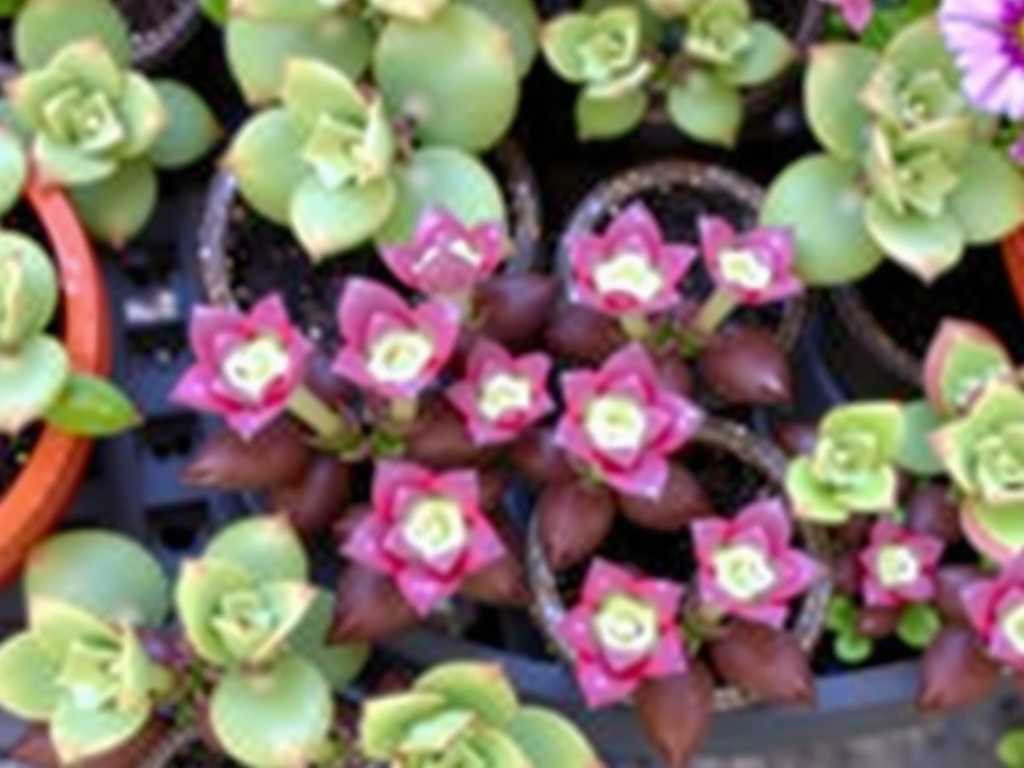
The single most important concept for multi-plant care is recognizing that most Pinguicula operate in two distinct phases: a carnivorous growth phase and a succulent dormancy phase. Grouping your plants by their current phase, rather than just their species, simplifies care dramatically.
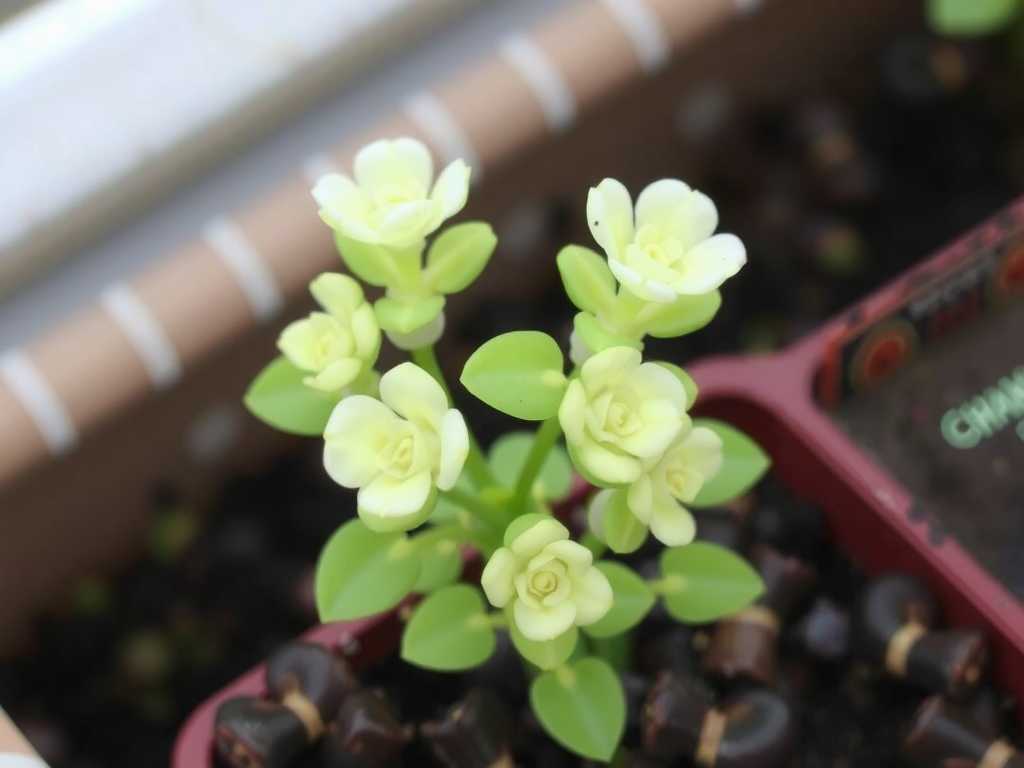
The Carnivorous Growth Phase: The Dewy Showtime During this period, typically in warmer months, plants produce flat, sticky leaves designed to trap insects. This is when they are most active. The key here is consistent moisture and bright light. I use the tray method, keeping pots sitting in about 0.5 inches of distilled or rainwater. This mimics their natural boggy habitats. According to the International Carnivorous Plant Society (ICPS), this constant bottom-watering is preferable, as it keeps the soil saturated without wetting the crown, which can cause rot.
The Succulent Dormancy Phase: The Resting Period As daylight shortens or conditions dry, many butterworts form a tight, non-carnivorous rosette of succulent-like leaves. This is a rest period, not a death sentence! My biggest early mistake was panicking and overwatering a dormant plant, which led to rot. During dormancy, they need a near-complete change in care: the soil should be kept only slightly damp, and they require less light. I move my dormant plants to a separate tray and water them lightly from the top only when the soil is almost completely dry.
My Two-Week Observation: Grouping by Phase I decided to test this phase-based grouping theory. I had six plants: three in growth (P. ‘Sethos’, P. agnata, P. moranensis) and three entering dormancy (P. gypsicola, P. cyclosecta, and another P. moranensis from a different clone). For two weeks, I placed them on two separate trays with distinct watering regimes.
The growth group stayed on a constantly filled water tray under strong LED lights. The dormancy group was placed on a dry tray, watered only once at the start, and placed on a shadier shelf. The results were clear. The growth plants produced new, dewy leaves consistently. The dormant plants held their compact form without any signs of rot or stress, which they previously showed when I watered them all equally. This simple physical separation based on lifecycle stage was a game-changer for managing my collection efficiently.
Building the Foundation: Soil, Water, and Light for a Crowd
You cannot build a thriving collection on the wrong foundation. Getting these three elements right for the group is 80% of the battle.
The Non-Negotiable Soil Mix Standard potting soil is lethal. Pinguicula require acidic, nutrient-poor, and fast-draining media. My universal mix, endorsed by many experts including those at the Carnivorous Plant Hub, is a 1:1 ratio of perlite to peat moss. For Mexican species like gypsicola that crave more drainage, I add a third part of crushed pumice or sharp sand. I pre-mix a large batch to ensure consistency across all pots. Repotting is best done at the start of the growth phase.
Water: The Lifeline You Can’t Compromise On Tap water is often a silent killer due to dissolved minerals. I use distilled water exclusively. To manage a large collection, I buy it in 5-gallon jugs. The tray method is your best friend for plants in growth. I use cafeteria-style plastic trays—one for “growth phase” plants kept wet, and one for “dormancy phase” plants kept dry. This visual system prevents watering errors.
Lighting: Fueling the Entire Display Bright light is essential for strong growth and dew production. A south-facing window is good, but for a uniform collection, grow lights are superior. I use Barrina T5 LED strips. My “growth phase” tray gets 14 hours of light daily, while the “dormancy” tray gets only 8. This artificial control allows me to optimize conditions for each group year-round, a tip strongly supported by the expertise found in forums like TerraForums, where advanced hobbyists stress photoperiod control.
Advanced Tactics for a Diverse Collection
Once your basic system is running, you can fine-tune for specific varieties and even encourage propagation to expand your collection.
Feeding Your Butterworts: A Group Activity In a closed environment, they need help catching food. I don’t use fertilizer on the soil. Instead, I gently sprinkle dried bloodworms (fish food) onto the sticky leaves of my growth-phase plants every 2-3 weeks. This provides a nitrogen boost. I observed that fed plants produced noticeably larger leaves and flowered more readily over a season compared to unfed ones. For a small collection on a windowsill, simply placing the pot near a fruit fly source can work.
Seasonal Shifts and Dormancy Management This is where beginners struggle. When you see small, firm succulent leaves forming in the center, it’s a dormancy cue. Here was my critical mistake: I assumed all my Mexican Pinguicula went dormant in winter. One of my P. moranensis did not. I forced it into dry conditions, and it stalled. I learned to observe each plant, not the calendar. Now, I let the plant tell me. When it shifts, I move it to the “dormancy tray.” This personalized observation is key for multi-plant care.
Propagation: Growing Your Family The joy of a collection is watching it grow. Pinguicula offer easy ways to propagate. Leaf pullings are the most reliable. During repotting, I gently pull a few healthy leaves from the base, lay them on damp peat, and cover with a clear lid for humidity. In weeks, tiny plantlets form. Temperate Pinguicula naturally produce offsets or “gemmae” in winter. Scooping these and scattering them on new soil is effortless propagation. My two-week experiment’s success gave me the confidence to take leaf pullings from my healthiest growth-phase plants, and I now have a dozen new babies started.
Troubleshooting Common Multi-Plant Problems
Even with a good system, issues arise. Spotting them early in a group setting is crucial.
Lack of Dew: The Heartbreak This is usually a light issue. If multiple plants lose dew, increase light intensity or duration. It can also be low humidity. For my collection, I found that grouping plants together on their trays naturally creates a more humid microclimate. A small humidifier can help in very dry homes.
Rotting Crown or Leaves This screams overwatering, especially during dormancy, or water on the crown. Immediately remove the affected plant from the community tray. Cut away rot with a sterile blade, let the wound callus for a day, and repot in fresh, slightly damp mix. Isolate it until it recovers. This quarantine prevents potential fungal spread.
Pests: An Unwanted Invasion While carnivorous, they can get aphids or mealybugs. I spotted aphids on one new plant before introducing it to my main tray—a lucky catch. I now quarantine all new plants for two weeks. For treatment, a cotton swab dipped in diluted isopropyl alcohol (70%) dabbed directly on the pests works without harming the leaves. Never use insecticidal soap, as it strips the precious dew.
Frequently Asked Questions
Can I grow different Pinguicula species together in one pot? I don’t recommend it for beginners. Different species may have different dormancy timings or soil preferences. A P. gypsicola (which loves dryness) planted with a P. primuliflora (which loves constant wet) will lead to one suffering. Individual pots grouped on trays offer much more control.
How do I know when to water my dormant Pinguicula? The “taco test” is my favorite method. Gently try to gently fold a succulent dormancy leaf. If it’s flexible and can bend slightly (like a soft taco shell), it has enough water. If it’s stiff and resists (like a hard taco shell), it’s time for a light, top-watering. Wait until the soil is nearly dry again.
Why are my butterwort’s leaves turning brown at the tips? This is common and often not a crisis. It can be minor sunburn if recently moved to stronger light (new growth will adapt), or more critically, mineral burn from hard water. Immediately switch to distilled or rainwater and trim the brown tips. If you’re using the right water, it could simply be the natural die-off of old leaves as new ones emerge.
Caring for a group of Pinguicula transforms from a daunting task into a deeply rewarding hobby once you shift your mindset from caring for individual species to managing lifecycle phases. By creating a simple system of grouped trays, mastering the soil-water-light trinity, and learning to read your plants’ signals, you build a resilient and thriving collection. The two-week experiment of separating my plants by growth and dormancy phases was the pivotal moment that brought clarity. Start with one or two varieties, apply this framework, and enjoy the process of learning from these remarkable carnivorous plants. Your own lush, dewy display is absolutely within reach.





