 bluename
 How to Care for Multiple Pinguicula Varieties: A Grower’s Journey from Chaos to Lush, Healthy Butterworts
I remember the day my collection of Pinguicula, or butterworts, turned from a point of pride into a source of constant anxiety. I had a beautiful but mismatched family: a plump, tropical Pinguicula moranensis sitting next to a delicate, tiny Pinguicula esseriana, with a temperamental temperate Pinguicula grandiflora sulking in another corner. I was watering them all the same, using the same soil, and giving them identical light. The result? Some thrived, some merely survived, and a few began a slow, heartbreaking decline. The core challenge of caring for multiple Pinguicula varieties, I painfully learned, isn't about finding one perfect rule—it's about mastering the art of tailored care for their diverse needs. If you're struggling to keep all your butterworts happy under one roof, you're not alone. This guide is born from my own two-week intensive care experiment, filled with missteps, corrections, and ultimately, the joy of seeing each variety flourish.
Understanding Your Butterwort’s Origin Story: The Key to Success
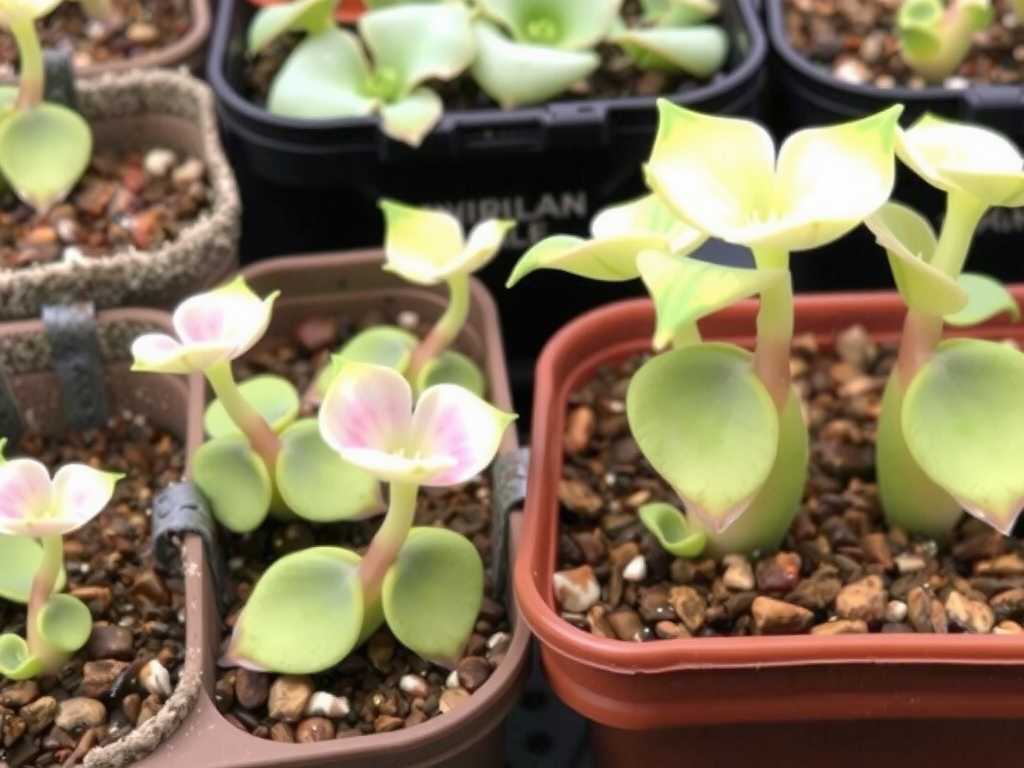
You cannot care for what you do not understand. The single biggest mistake I made was treating all Pinguicula as the same. According to the International Carnivorous Plant Society (ICPS), the genus is broadly divided into tropical, temperate, and heterophyllous (seasonal leaf change) types, each with distinct life cycles and requirements. My failure to recognize this was my first pitfall.
- Tropical Pinguicula (e.g., P. moranensis, P. gigantea): These are the workhorses for beginners. They don’t require a winter dormancy and grow succulent, carnivorous leaves year-round. My P. moranensis was always hungry for more light and consistent moisture.
- Temperate Pinguicula (e.g., P. grandiflora, P. vulgaris): Native to cooler climates, these must have a cold, dormant period in winter where they form a tight, hibernacular bud. I nearly killed my P. grandiflora by keeping it warm and wet all year.
- Mexican Heterophyllous Types (e.g., P. esseriana, P. jaumavensis): These are a fascinating sub-group of tropicals. They produce two distinct leaf forms: succulent, carnivorous leaves during their growth phase and smaller, non-carnivorous leaves during a drier, semi-dormant rest period. Missing this subtle shift can stall their growth.
For two weeks, I became a plant detective. I labeled each pot with the species name and its native habitat. I spent evenings researching on the ICPS forum and reading cultivation guides from experts like Dr. Fernando Rivadavia. This foundational knowledge became my roadmap.
The Two-Week Reset: A Step-by-Step Habitat Makeover
Armed with better knowledge, I embarked on a 14-day reset project. My goal was to adjust key variables—medium, water, and light—for each group and document the daily changes.
Day 1-3: The Great Repotting (And The First Crisis) I prepared three different soil mixes, as recommended by veteran growers. For the tropicals and Mexican types, I used a very airy blend of 50% perlite, 30% vermiculite, and 20% fine silica sand. For the temperate P. grandiflora, I used a peatier mix of 50% peat moss and 50% perlite. Here, I hit my first major snag. I used standard vermiculite and perlite, which are often pre-fertilized. Within 48 hours, my most sensitive Pinguicula esseriana showed signs of fertilizer burn—its leaves lost their sticky dew and began to curl. The fix was immediate and crucial: I flushed the pot with distilled water for an hour and then carefully repotted it again using only horticultural-grade perlite and washed silica sand. The lesson? Always use nutrient-free media and rinse all components thoroughly.
Day 4-10: Dialing in the Watering Regime Watering was my next battlefield. I moved from a "one-size-fits-all" tray method to a targeted approach.
- Tropical Group: I kept them in a shallow, permanent tray of distilled or rainwater (about 0.5 cm deep). The media stayed consistently damp but not soggy.
- Temperate P. grandiflora: I took it out of the tray system entirely. I began watering it from the top until water drained through, then allowed the top layer of the medium to approach dryness before watering again, mimicking its preferred well-drained conditions.
- Mexican P. esseriana: Since it was entering its succulent phase, I let the tray dry out completely for a day or two before adding a small amount of water.
The observation was dramatic. By Day 7, the tropical varieties perked up visibly, with new, dewy leaves emerging. The P. grandiflora stopped its decline, its roots finally getting the oxygen they craved. The rescued esseriana was slow but showed no further deterioration.
Day 11-14: Optimizing Light for Dew Production Light is the engine of dew production. I had them under generic LED shop lights. I rearranged them based on observed needs. The tropicals and grandiflora were moved directly under the strongest light (about 15,000 lux). The smaller esseriana was placed slightly off to the side for slightly gentler intensity. I also introduced a consistent photoperiod of 14 hours on, 10 hours off using a timer.
The results by Day 14 were transformative. The Pinguicula moranensis and its tropical cousins glistened with thick, sticky dew, effectively trapping tiny gnats. The temperate butterwort, now in its correct medium and water cycle, showed a firmer, healthier rosette. My tiny Pinguicula variety (esseriana) finally stabilized, its compact form tightening up. The visual proof was undeniable: tailored care works.
Advanced Care: Seasonal Shifts and Feeding Caring for multiple types means managing different calendars. My temperate variety needed planning for its winter dormancy (a period of cold, near-dry rest), while my tropicals would grow all year. For feeding, I learned to trust their natural abilities. A sunny windowsill or grow light in a room with occasional fungus gnats provides a perfect, hands-off buffet. As the Royal Horticultural Society (RHS) advises, never feed them meat or fertilizer; their delicate leaves are adapted for microscopic prey.
Troubleshooting Common Pinguicula Problems
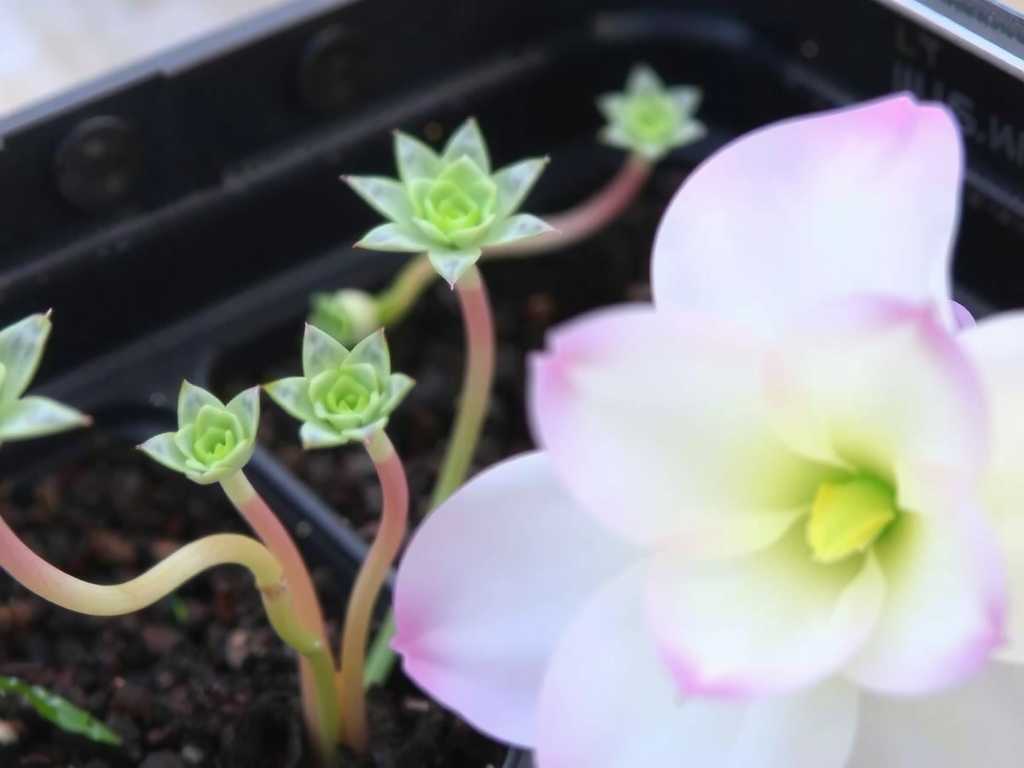
- Lack of Dew: This was my constant headache. The causes are a triad: low humidity, incorrect water (mineral-rich tap water), or insufficient light. Switching to distilled water and boosting light solved 90% of my issues.
- Rotting Crown: Always a sign of waterlogging or media breakdown. I lifted the susceptible plants slightly higher in their pots to improve air circulation around the crown.
- Leaf Discoloration: White crust meant my tap water was a silent killer. Brown, mushy spots signaled rot from staying too wet. Pale, elongated leaves screamed for more light.
Frequently Asked Questions by Fellow Growers
Can I grow my temperate and tropical Pinguicula together in the same terrarium? I strongly advise against it for long-term success. Their seasonal needs are diametrically opposed. A temperate butterwort needs a cold, dry winter dormancy, which would rot a tropical plant. It’s best to group them by type or provide separate growing spaces.
How often should I repot my butterworts? I repot most of my Pinguicula every 1-2 years in early spring, just as they exit dormancy or begin vigorous growth. The media breaks down over time, losing aeration. Repotting is also the perfect time to separate and propagate the numerous plantlets (pups) they produce, which is how my collection ethically expanded.
Why are the leaves on my Mexican Pinguicula suddenly small and not sticky? Don’t panic! You’re likely observing its natural semi-dormant or succulent phase, usually triggered by shorter day lengths or drier conditions. During this time, reduce watering significantly. It’s conserving energy and will return to producing large, carnivorous leaves when conditions signal the growth season to resume.
Caring for a diverse collection of Pinguicula is a deeply rewarding practice that teaches patience and observation. It moves beyond simple gardening into the realm of applied botany. By respecting their individual histories—whether they hail from a Mexican mountainside or a European alpine meadow—we can recreate the micro-habitats they need. Start by identifying your varieties, group them by their needs, and don’t be afraid to adjust one variable at a time. The glistening dew on a healthy butterwort’s leaf is more than just a trapping mechanism; it’s a clear sign of understanding, a testament to moving from generic care to a personalized, successful approach for each unique plant in your care.





