 bluename
 How to Care for Pinguicula: Air Quality Tips for Thriving Butterworts
I’ve killed my fair share of Pinguicula, or butterworts. It’s a humbling admission. You get everything seemingly right—the soil, the light, the water—and yet, the plant slowly declines, its succulent leaves losing vigor. For the longest time, I blamed my watering can or my windowsill. It wasn't until I started treating my butterworts less like simple succulents and more like the sophisticated, sensitive carnivores they are that I turned things around. The breakthrough? I stopped ignoring the air around them.
Most care guides focus heavily on media and hydration, but how to care for Pinguicula effectively demands we pay equal attention to an invisible factor: air quality. This isn't about pollution, but the microclimate of humidity and airflow immediately surrounding your plant. Getting this balance wrong was the root of my failures. Through trial, error, and a dedicated two-week experiment, I cracked the code. Here’s my journey and the actionable air quality tips for Pinguicula that transformed my collection from struggling to spectacular.
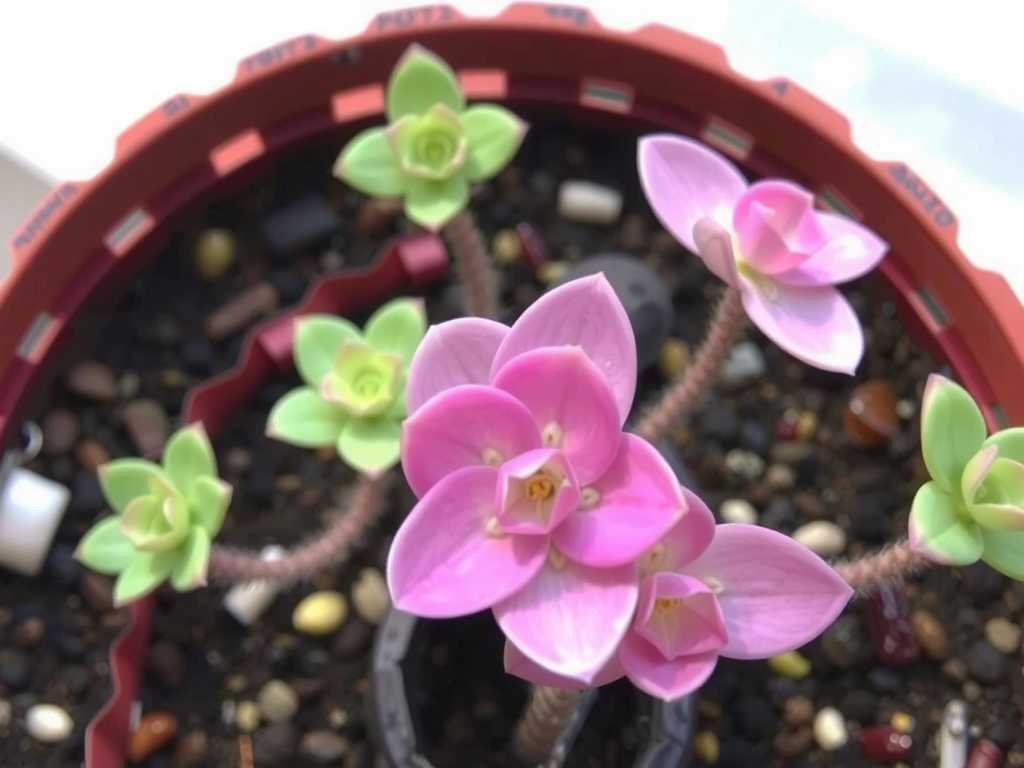
Why Your Butterwort Cares More About Air Than You Think
Pinguicula are fascinating adaptations. Their sticky, glandular leaves are evolution's answer to nutrient-poor environments. These leaves are not just traps; they are delicate organs for respiration and secretion. The quality of the air directly impacts their core functions.
- Humidity's Dual Role: Adequate ambient humidity prevents the precious mucilage (the "glue" on their leaves) from drying out too quickly. According to insights from the Carnivorous Plant Society and growers, when air is too dry, the plant expends excessive energy rehydrating its leaf surfaces, weakening it. Conversely, stagnant, super-saturated air is a ticket to fungal and bacterial rot, especially at the crown.
- Airflow is Non-Negotiable: Stagnant air is a death sentence. Gentle, consistent airflow strengthens the plant's structure, discourages pest infestations (like fungus gnats), and is critical in preventing the fungal issues that thrive in still, moist conditions. It’s the difference between a fresh breeze and a stuffy, mold-prone closet.
In short, perfect potting mix is irrelevant if the plant is suffocating in stale, arid, or swampy air. My mission was to find the sweet spot.
My Two-Week Air Quality Experiment: Setup and Observations
I selected two identical, healthy Pinguicula 'Tina' plants as my subjects. Both were in their preferred soil-less mix of perlite and vermiculite, under the same grow lights.
- Plant A (The Control): Placed in my plant room's ambient conditions (~40-50% RH, with natural, intermittent airflow from a distant fan).
- Plant B (The Experiment): Placed inside a simple, clear terrarium cloche with ventilation holes. I added a small USB-powered fan set on low, running for 30 minutes every 2 hours via a timer, and a calibrated hygrometer to monitor. A shallow humidity tray was placed beneath it. My goal was to maintain a stable 60-70% RH with constant, gentle air movement.
Week 1: The Adjustment Phase The difference was visible within days. Plant B, under the cloche, developed a noticeably more vibrant, dewy glow on its leaves. The mucilage droplets looked plump and reflective. Plant A looked... fine, but the leaf tips appeared slightly less lustrous. I noticed Plant A's soil surface dried out faster, requiring more frequent bottom-watering.
Week 2: A Clear Divergence and a Problem By the start of the second week, Plant B pushed out a new, robust leaf. The existing leaves felt firmer. However, I encountered my first "pitfall." On day 10, I saw the first sign of trouble—a tiny, translucent spot on one lower leaf of Plant B. Panic! Was it rot? Upon closer inspection, I realized my mistake. The fan, while gentle, was pointed directly at the plant. The constant, focused breeze had caused a small area of mechanical desiccation. It wasn't fungal; it was windburn.
The Fix and Final Result I immediately redirected the fan so it bounced off the side of the cloche, creating a diffused, circular airflow rather than a direct blast. The spot stabilized and did not spread. For Plant A, I introduced a small, oscillating personal fan in the room, set on low, to improve general airflow without increasing humidity.
At the experiment's end, the result was undeniable. Plant B was demonstrably healthier, with better coloration, stickier leaves, and active growth. Plant A had survived but not thrived with the same vigor. The lesson was profound: both humidity control for carnivorous plants and managed airflow were critical, but they had to be implemented thoughtfully.
Actionable Air Quality Strategies for Your Pinguicula
You don't need a lab setup. Here’s how to apply these principles.
Creating the Ideal Humidity Microclimate Forget misting. It’s ineffective and can spot leaves. Here are better methods:
- The Humidity Tray: This is the simplest, most effective tool. Take a shallow tray, fill it with pebbles or LECA clay balls, add water until it’s just below the top of the pebbles, and place your pot on top. The evaporating water creates a localized humid zone without waterlogging the roots. Refill as needed. This single change boosted my ambient plants' health overnight.
- Strategic Grouping: Cluster your humidity-loving plants, including your Pinguicula, together. Their collective transpiration creates a beneficial microclimate. Just ensure there's still space between pots for air to move.
- Partial Enclosures: For very dry homes, a mini greenhouse, a large glass cloche (with vents!), or even a clear storage bin with holes can work wonders. My terrarium cloche experiment proved this. Always ensure there is ventilation. A sealed container is a rot incubator.
Mastering Airflow for Plant Health Airflow is what makes higher humidity safe.
- Fan Choice and Placement: Use a small, quiet fan. Do not point it directly at your plants. Aim it at a wall or above them to stir the air gently. An oscillating fan is ideal. I run mine for 2-3 hours, twice a day.
- Room Circulation: Simply opening a door in the room daily, or using a ceiling fan on low, can prevent air from becoming stagnant. This is the bare minimum for improving Pinguicula growing conditions.
- The Balance Check: Place your hand near your plant. You should feel the faintest movement of air. If leaves are constantly trembling, it's too strong. If the air feels still and heavy, it's too weak.
The Pitfalls I've Learned to Avoid
- The "Sauna" Trap: Enclosing a plant without airflow. This will lead to crown rot (a mushy, black center) faster than you can say "Pinguicula." Always pair humidity with circulation.
- The Desert Wind: My cloche fan mistake. Direct, harsh airflow desiccates leaves, damaging the glands. Always diffuse the breeze.
- Ignoring Seasonal Shifts: Indoor air becomes drastically drier in winter with heating. Your humidity tray might need a top-up twice as often. Be observant and adapt.
Integrating Air Quality into Your Overall Care Routine
Air management doesn't exist in a vacuum. It interacts with everything else.
- Watering: Better humidity means soil/media retains moisture slightly longer. Always check the soil's dampness before watering; don't just follow a calendar. I now water Plant B less frequently than Plant A.
- Light: Warm grow lights can dry the air. Placing a humidity tray under plants on a light shelf is doubly important.
- Feeding: In optimal humid, breezy conditions, your Pinguicula's leaves will be stickier and more efficient at catching prey naturally. You'll rarely need to supplement feed.
Common Questions from Fellow Growers
Can I just keep my Pinguicula in a terrarium? You can, but it requires careful management. It must be large enough, have excellent ventilation (mesh panels, computer fans), and bright, appropriate lighting. A sealed terrarium is a shortcut to losing your plant. I recommend mastering their care in open air first.
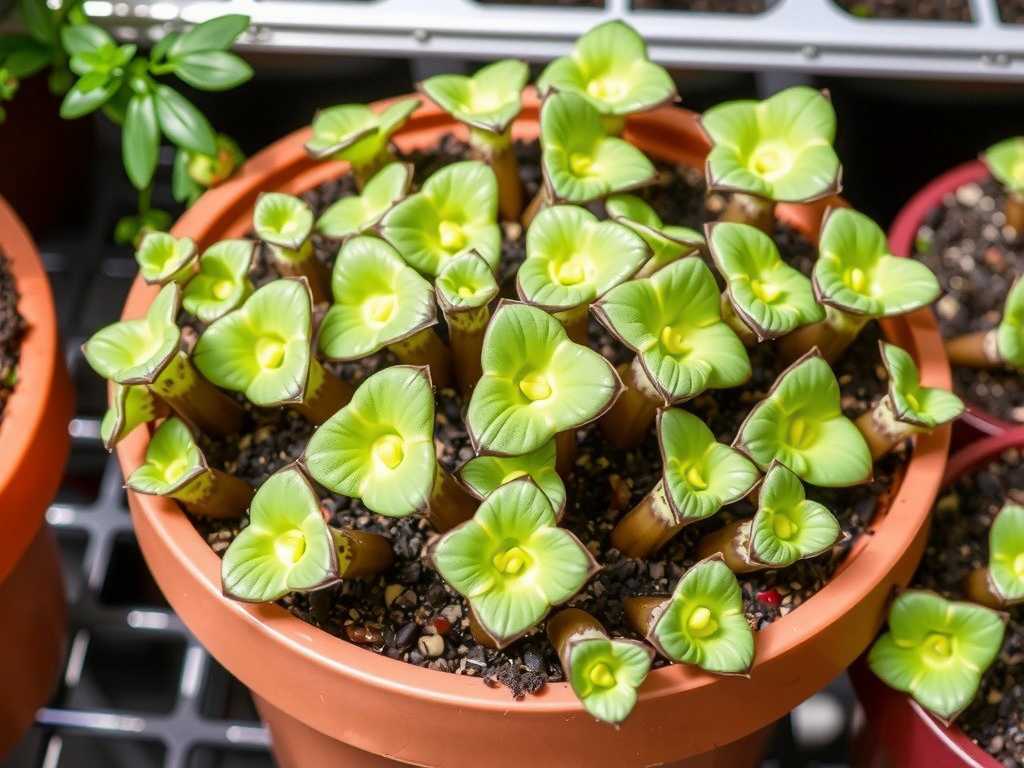
What is the ideal humidity percentage for Pinguicula? Aim for 50-70% relative humidity for most temperate and tropical hybrids. It's more about consistency than hitting an exact number. Wild swings are stressful. A simple hygrometer, available cheaply online, is a wise investment to monitor your plant's environment.
My air is very dry, and I see no dew on the leaves. Is it dying? Not necessarily, but it's stressed. A lack of dew means the mucilage has dried. First, check for pests like spider mites which thrive in dry air and damage leaves. Then, implement a humidity tray and improve gentle airflow. The plant will often recover and produce new, dewy leaves if other conditions are correct.
Caring for Pinguicula is a delightful exercise in attention to detail. By shifting your focus to include the very air they breathe, you address a fundamental, often overlooked need. It’s the secret that bridges good care and great success. Start with a humidity tray and a gentle fan, observe your plant's response over the next few weeks, and watch as your butterworts respond with the vibrant, sticky, healthy growth that makes them so captivating. The difference isn't just visible; it's the key to a thriving collection.





