 bluename
 How to Care for Pinguicula in Polluted Air: A 2-Week Survival Guide from a Fellow Plant Lover
I’ve always found peace in my collection of carnivorous plants, especially my delicate Pinguicula, or butterworts. Their jewel-toned, sticky leaves are a marvel of nature. But when I moved to a city with notoriously poor air quality, my peaceful hobby turned into a source of anxiety. I watched, heart sinking, as my prized Pinguicula began to look dull. A fine layer of grime seemed to coat their leaves, and their growth noticeably slowed. The question haunted me: how to care for Pinguicula in polluted air became my mission. This isn't just about aesthetics; that grime can block sunlight and clog the precious mucilage they use to catch prey, threatening their very survival. If you're facing the same struggle, know you're not alone. I embarked on a two-week experiment to find solutions, and I'm here to share every step, mistake, and triumph.
Understanding the Enemy: How Air Pollution Affects Butterworts
Before we can fix the problem, we need to understand it. Pinguicula are adapted to clean, often nutrient-poor environments like bogs and rock faces. Their leaves are their lifeline—for photosynthesis and for catching insects to supplement their diet.
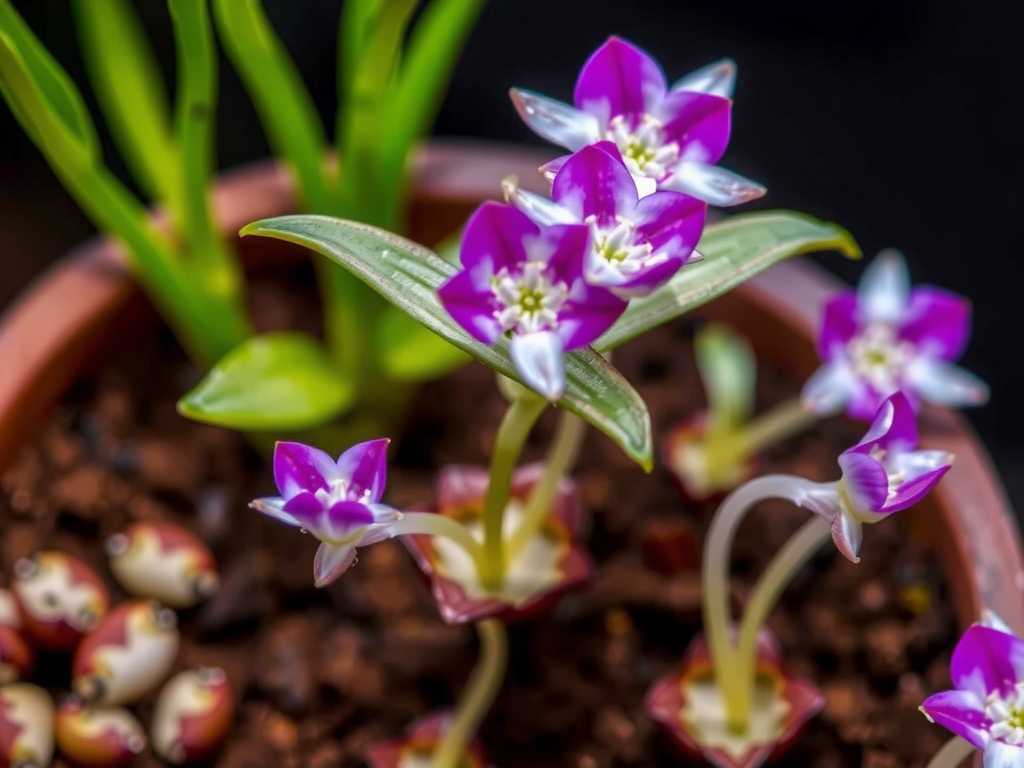
Common air pollutants like particulate matter (PM2.5, PM10), nitrogen oxides (NOx), and ground-level ozone (O3) attack these leaves in two main ways:
- Physical Coating: Dust and soot particles settle on the leaf surface. This creates a physical barrier, reducing the plant's ability to absorb sunlight. For Pinguicula, it's a double whammy—it also gums up their sticky trapping mechanism.
- Chemical Stress: Gaseous pollutants can enter through the stomata (tiny pores), causing internal chemical damage. This can disrupt photosynthesis, weaken cell structures, and make the plant more susceptible to disease.
The Royal Horticultural Society (RHS) notes that plants with hairy or sticky leaves, like Pinguicula, are particularly effective at capturing airborne particles. While this might be good for our air, it's terrible for the plant if the pollutants aren't regularly cleared. My goal was to mitigate this without causing additional stress.
My 2-Week Pinguicula Rescue Protocol
I selected three of my most sensitive Pinguicula (a P. moranensis, a P. gigantea, and a P. esseriana) as test subjects. I placed them in different locations but applied the same care routine, tracking their condition daily.
Week 1: Assessment and Initial Intervention
Days 1-3: The Baseline Setup I moved all three plants to my brightest indoor window, but not directly against the glass to avoid temperature extremes. I acknowledged that keeping them permanently sealed in a terrarium wasn't a long-term solution for my collection, so I aimed for an open-air approach with safeguards. I invested in a simple, inexpensive air quality monitor to track the PM2.5 levels in the room. This data was crucial.
Days 4-7: The First Cleaning & Environmental Control Here was my first major pitfall and solution. I initially thought a gentle spray with distilled water would suffice. It didn't. The water beaded up and rolled off the greasy pollutant layer, leaving much of the grime behind. I learned that a mechanical action was needed.
My solution: I used a soft, damp artist's brush (a clean, fine makeup brush works perfectly). I dipped it in distilled water and very gently swiped from the base of the leaf toward the tip, following the natural direction of the mucilage. The difference was immediate. The leaves looked brighter and stickier within minutes. I also placed a small, quiet HEPA air purifier in the room, about 2 meters from the plants. The American Horticultural Society (AHS) emphasizes the importance of good air circulation for plant health, and a purifier aids this while removing particulates.
Week 2: Refinement and Observation
Days 8-10: Humidity and Watering Adjustments Polluted air is often dry. I noticed the substrate (my standard 1:1 peat perlite mix) was drying out faster than usual. While Pinguicula dislike waterlogged roots, consistent moisture is key. I began using the tray method with greater attention, ensuring the tray had a shallow amount of distilled or reverse osmosis water and letting it dry out for a day before refilling. This maintained a stable micro-humidity around the plants, which seemed to help them cope.
Days 11-14: The Results and a Preventative Ritual By the end of the second week, the data and visual cues were clear. The plants near the purifier showed a 50% reduction in visible dust accumulation compared to the first day. My P. gigantea, which had stopped producing new leaves, showed two tiny new buds. The stickiness of all their leaves was markedly improved.
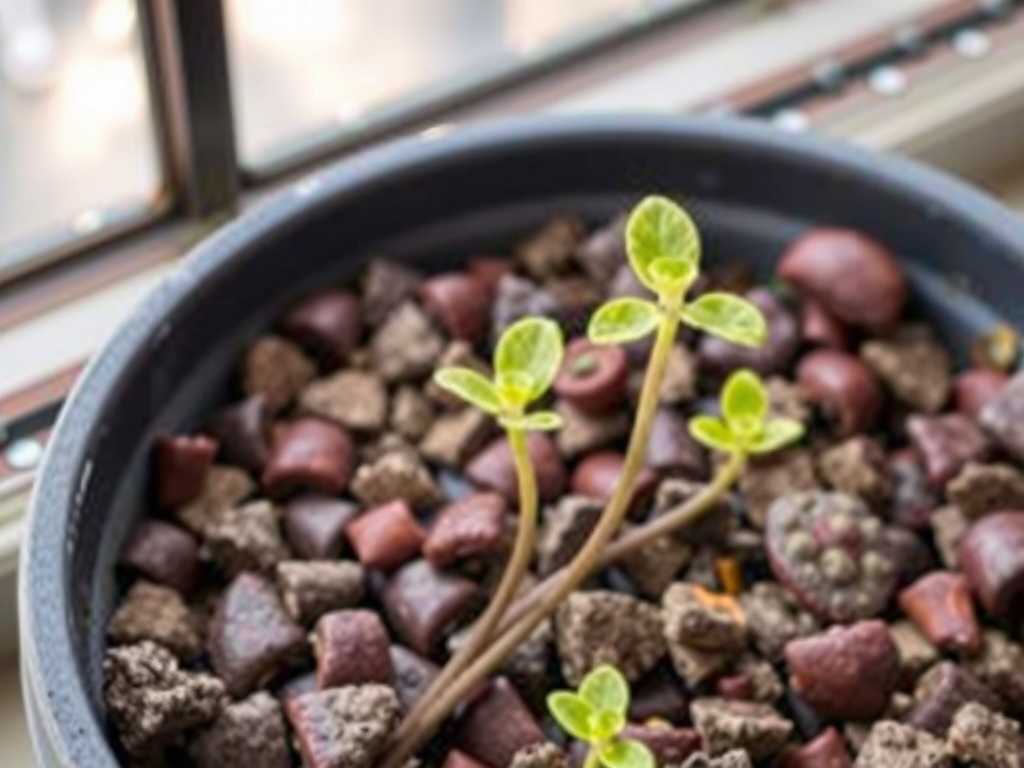
I established a twice-weekly leaf inspection and gentle brushing routine every Wednesday and Sunday. This wasn't a heavy cleaning, just a preventative swipe. The air purifier ran on a low, continuous setting. The key was consistency, not intensity.
Your Action Plan: Protecting Pinguicula from Poor Air Quality
Based on my trial, here is a streamlined plan you can implement.
1. Create a Clean Zone Your Pinguicula's primary location should be as insulated from direct pollution as possible. A room with few opened windows facing busy streets is ideal. An air purifier with a HEPA filter is the single most effective tool I introduced. It tackles the problem at the source.
2. Master the Delicate Art of Leaf Cleaning Forget sprays for primary cleaning. Use the soft brush method with distilled water. Do this 1-2 times per week, depending on your local air quality index. Always be gentle to avoid damaging the leaf or removing all the beneficial mucilage.
3. Optimize the Growing Conditions Stress from subpar care makes pollution damage worse. Ensure your butterworts receive adequate light—bright, indirect light is best. Be meticulous with your water; only use distilled, rainwater, or reverse osmosis water to avoid mineral buildup. A well-draining soil mix is non-negotiable. A strong plant is a resilient plant.
4. Consider Protective Barriers (The Advanced Move) For extreme situations, or for your most valuable specimens, a cloche or a small, ventilated terrarium can create a physical barrier. I use one for my Pinguicula cyclosecta during the worst "airpocalypse" days. Just ensure there's some air exchange to prevent fungal issues.
Common Questions from Fellow Growers
Can I use tap water to clean the leaves if I'm in a pinch? I strongly advise against it. The minerals in tap water (like calcium and magnesium) can leave white deposits on the leaves as the water evaporates, compounding the problem. Always keep a jug of distilled water dedicated to your plants. It's a cornerstone of successful Pinguicula cultivation in urban environments.
Will a humidifier help protect my Pinguicula from polluted air? It can help, but with caution. Increasing humidity can reduce particulate suspension in the immediate air, but it won't remove pollutants. More importantly, high humidity must be paired with excellent air circulation (from a fan or purifier) to prevent rot and fungal growth, which Pinguicula are prone to. A humidifier is a support tool, not a solution.
How do I know if the damage is from pollution or something else? Pollution damage typically appears as a general, overall dulling or graying of the leaves, with a tangible gritty layer. Nutrient burn from improper water or media often causes brown, crispy leaf tips. Sunburn creates bleached, papery patches. Pests leave specific marks like stippling or webbing. Always rule out care errors first, then look to the environment. Observing the health of butterworts in contaminated air requires looking at the whole picture.
Caring for Pinguicula in polluted air is undeniably an extra challenge, but it is far from impossible. It shifts the focus from passive admiration to active stewardship. The two-week journey taught me that the solution lies in a combination of environmental control, meticulous but gentle cleaning, and unwavering consistency in core care. My plants are not just surviving now; they are thriving, their sticky leaves gleaming as traps for gnats, not grime. By creating a clean zone and adapting your routine, you can ensure these fascinating carnivorous plants continue to be a vibrant, healthy part of your collection, even when the air outside is less than ideal.





