 bluename
 How to Care for Pinguicula: Fresh Air Hacks for a Thriving Butterwort
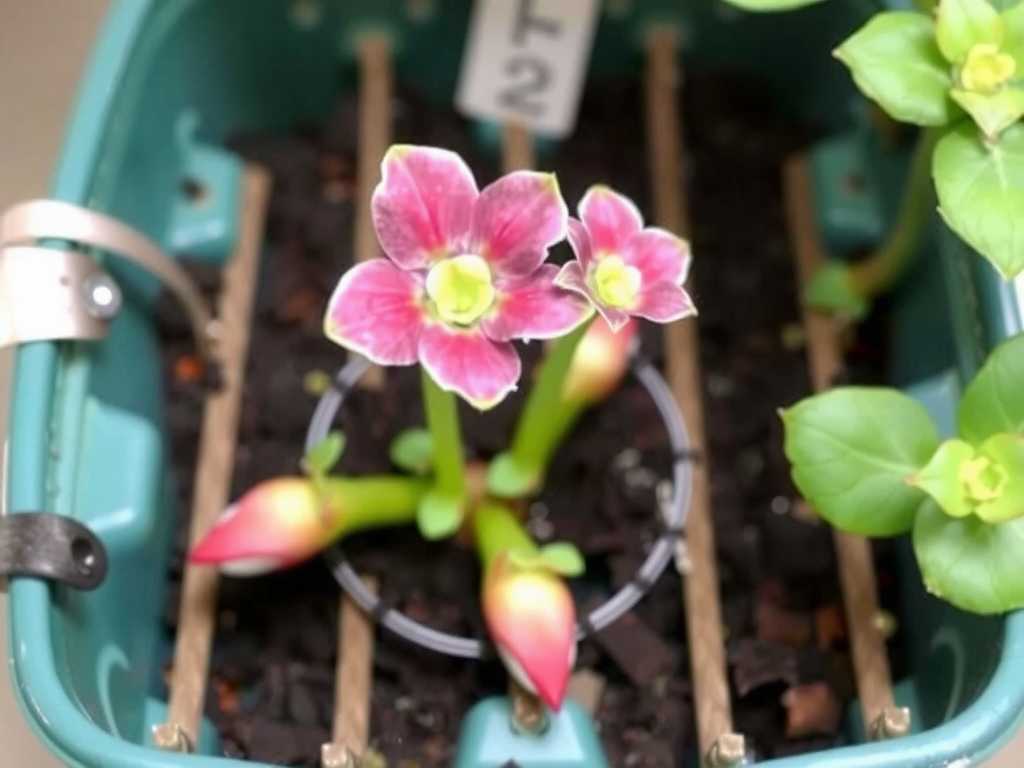
You’ve brought home a fascinating Pinguicula, or butterwort, with its dewy, carnivorous leaves. It looks perfect. But then, slowly, the vibrant green fades. The leaves might get soft, or the plant just stops growing with that characteristic vigor. You’re watering correctly, giving it light, but something’s off. If this sounds familiar, I’ve been there. After years of growing these sticky wonders, I’ve learned that the most overlooked factor isn’t water, soil, or even light—it’s air. Specifically, fresh air circulation. This isn’t just a minor tip; it’s the cornerstone of health that prevents a cascade of common Pinguicula problems.
For two weeks, I decided to conduct a focused experiment, transforming my care routine with deliberate fresh air hacks for Pinguicula. The results weren’t just noticeable; they were transformative. Here’s my hands-on journey, complete with the mistakes I made and the simple solutions that brought my plants back to life.
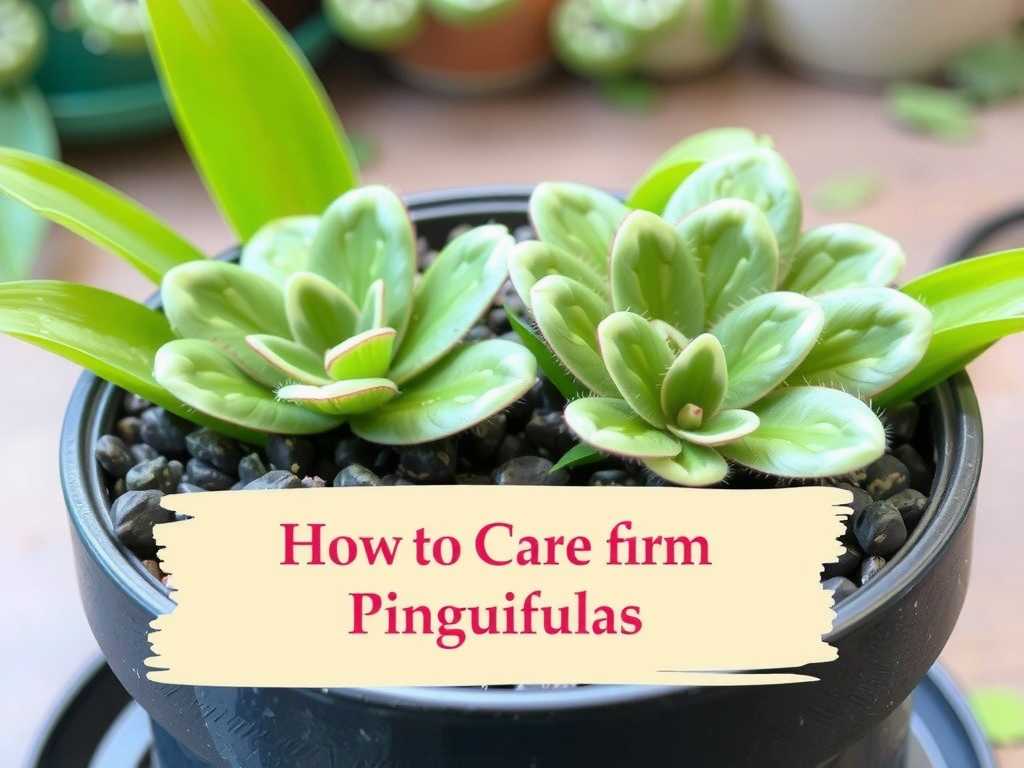
Why Your Pinguicula is Begging for a Breeze
Think about where many Pinguicula species thrive: alpine meadows, breezy Mexican hillsides, or damp, airy rock faces. Stagnant, humid air is often a sign of rot and disease in these environments, not health. In our homes, we create microclimates. A terrarium without ventilation, a crowded windowsill, or a still corner becomes a breeding ground for fungi and bacteria that attack Pinguicula roots and crowns.
The Royal Horticultural Society (RHS) emphasizes the importance of ventilation for carnivorous plants, noting that stagnant air significantly increases the risk of botrytis and other fungal issues. Similarly, experts from the Carnivorous Plant Society consistently link good air movement with stronger cell structure and more effective prey digestion. Airflow isn’t about creating a wind tunnel; it’s about preventing dead air zones and facilitating gentle gas exchange. This is the foundation of proper Pinguicula plant care.
My Two-Week Fresh Air Transformation: Step-by-Step
I moved three of my Pinguicula—a Pinguicula moranensis, a P. gigantea, and a P. esseriana—to a dedicated shelf for this experiment. All were showing signs of sluggish growth.
Hack 1: Strategic Fan Placement (The Game Changer) I didn’t buy anything fancy. I used a small, oscillating table fan placed about six feet away from the plant shelf. The key was indirect circulation. I pointed it at the wall behind the plants, allowing the breeze to deflect and create a gentle, diffused airflow around them. This prevented the direct, drying wind that could stress them.
- The Mistake I Made: On day two, I got overzealous. I pointed the fan directly at the plants on a low setting, thinking “more air must be better.” Within 48 hours, the delicate P. esseriana started to show slight stress—its leaves looked a bit dehydrated at the tips. I was essentially causing rapid moisture loss.
- The Fix: I immediately repositioned the fan to use the “bounce” method. This created perfect, gentle air movement without the damaging direct flow. The stressed leaves stabilized, and new growth emerged unaffected.
Hack 2: The “Lift and Separate” Rule for Humidity Many growers use humidity trays. I do too. But I realized I was creating a localized swamp. My hack was to elevate the pots. I placed each pot on an inverted saucer or a few pieces of gravel inside the humidity tray. This kept the roots from sitting in constant wetness while allowing evaporation to boost humidity around the plant, not just under it. The slight elevation, combined with the gentle fan, created a perfect, fresh humid microclimate.
Hack 3: Scheduled Air Flush Sessions Even with a fan, room air can become stale. Every morning and evening, I began a ritual. I would turn off the fan and open two windows in the room for 15-20 minutes to create a cross-breeze (weather permitting). This introduced fresh carbon dioxide and swept out stagnant air. For growers in colder climates, even opening a door to a well-ventilated hallway for a short period can achieve this.
The Observable Results: What Happened After 14 Days
The change wasn’t overnight, but the progression was clear.
- Week 1: The most immediate change was visual. The sticky mucilage on their leaves became more pronounced and sparkly. This indicated the plants were functioning optimally, secreting digestive enzymes effectively. The slight pallor on the P. moranensis began to darken to a healthier green.
- Week 2: This is where growth became evident. All three plants pushed out new leaves. The new growth on the P. gigantea was noticeably firmer and larger than the previous leaves. Most crucially, I observed zero signs of mold or algae on the soil surface—a common issue I had battled before. The soil dried more evenly between waterings, creating a healthier wet-dry cycle for the roots.
The combination of improving air circulation for butterworts through indirect fan use and fresh air flushes fundamentally shifted their health. It wasn’t magic; it was mimicking their natural, breezy habitats.
Integrating Airflow into Your Overall Care Routine
Fresh air isn’t a standalone fix; it works synergistically with your other care practices.
- Watering: With better airflow, surface water evaporates more efficiently. This means you must be more attentive to bottom-watering to ensure the roots get enough moisture, as the top may dry faster. It prevents the “perpetually soggy” pot syndrome.
- Light: Good airflow helps mitigate heat buildup from strong grow lights. A plant under intense light in stagnant air can overheat. The moving air helps distribute temperature evenly.
- Soil & Pots: Always use pots with drainage holes. My air hacks would be useless if water had no escape route. A loose, inorganic-heavy soil mix (like perlite, pumice, and sand) further ensures the roots get both moisture and oxygen, aided by the air movement around the pot.
Troubleshooting Common Airflow-Related Issues
- Brown, Mushy Leaves at the Base: This is crown rot, often due to high humidity + stagnant air + overwatering. Solution: Immediately remove affected leaves, increase airflow dramatically, and let the plant dry out more than usual. Consider a preventative fungicide per product instructions.
- White Fungus on Soil: A clear sign of stale, moist conditions. Solution: Scrape off the top layer of soil, replace it with fresh, dry medium, and implement the fan and air flush hacks. Reducing overhead watering can also help.
- Plant Seems “Stuck” and Not Digesting Prey: Poor airflow can hinder the plant’s metabolic processes. Solution: Improving circulation often kickstarts digestion and new growth, as I witnessed with the increased mucilage production.
Frequently Asked Questions
Can I just open a window instead of using a fan? Absolutely, if the outdoor conditions are suitable (not freezing or scorching hot). A consistently slightly open window can provide excellent natural airflow. My fan method is a supplement for when windows are closed, ensuring consistent movement.
Won’t a fan dry out my Pinguicula too quickly? This was my initial fear and mistake. With direct airflow, yes. With indirect, diffused airflow and proper bottom-watering, it creates a balance. The plant dries more healthily between waterings, preventing rot, without desiccating. Monitor your plant and adjust fan distance/strength if you see excessive dryness.
Are there any Pinguicula types that don’t need good airflow? All Pinguicula benefit from fresh air. However, tropical species (like many Mexican varieties) are often more susceptible to rot in stagnant conditions and show the most dramatic improvement. Temperate species, which experience seasonal changes and breezes in nature, also require it for robust health, especially during their growth phase.
Mastering how to care for Pinguicula means looking beyond the obvious. Light and water are vital, but they work best in an environment filled with fresh, moving air. My two-week experiment proved that these simple, low-tech fresh air hacks for Pinguicula were the missing link. By strategically managing airflow—through indirect fans, pot elevation, and air flushes—you’re not just preventing problems; you’re actively building a stronger, more resilient plant that can truly thrive. Give your butterworts the breath of life they need, and watch them respond with vibrant growth.





