 bluename
 How to Care for Pinguicula: Leaf Health Guide
I’ve been fascinated by carnivorous plants for years, but nothing quite captured my heart like my first Butterwort, or Pinguicula. Their delicate, dewy leaves are a marvel of nature. Yet, I quickly learned that the very feature that makes them stunning—their leaves—is also the most sensitive indicator of their health. If you’ve ever watched a Pinguicula leaf turn yellow, curl, or lose its sticky dew, you know the panic. You’re not just caring for a plant; you’re troubleshooting a living barometer. This guide is born from that frustration and my subsequent journey to understand leaf health. I’ll share my real-world steps, a two-week observation log of a rescued plant, the mistakes I made, and the solutions that brought it back to vibrant life.
Understanding Your Pinguicula’s Leaves: More Than Just Traps
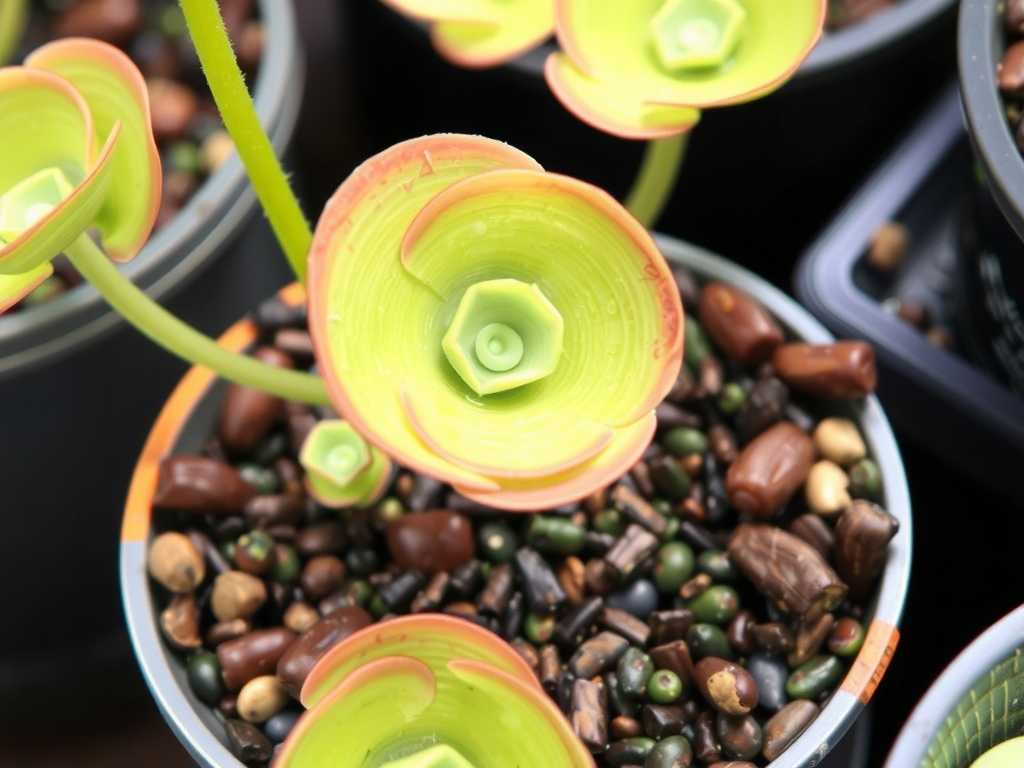
Before we dive into fixes, we must understand what healthy leaves are telling us. Pinguicula leaves are succulent, flat, and coated in mucilage—the sticky “dew” that traps insects. Their health is a direct report card on their environment. A thriving plant boasts firm, brightly colored leaves (green, pink, or red, depending on the species) glistening with dew. Any deviation—softness, discoloration, dryness—is a distress signal. As noted by the International Carnivorous Plant Society (ICPS), leaf condition in Pinguicula is the primary diagnostic tool for growers, far more immediate than root or flower health.
The Two-Week Rescue Mission: A Case Study in Leaf Recovery
Last month, I acquired a Pinguicula moranensis from a big-box store. Its leaves were pale, slightly curled at the edges, and almost completely dry. Here was my practical plan for Pinguicula leaf care over the next 14 days.
Week 1: Diagnosis and Immediate Intervention
My first step was isolation and assessment. I placed it away from my healthy collection to prevent any potential pest spread. The problems were clear: poor soil (it was in standard peat, which was too dense and acidic) and clear signs of dehydration and low light.
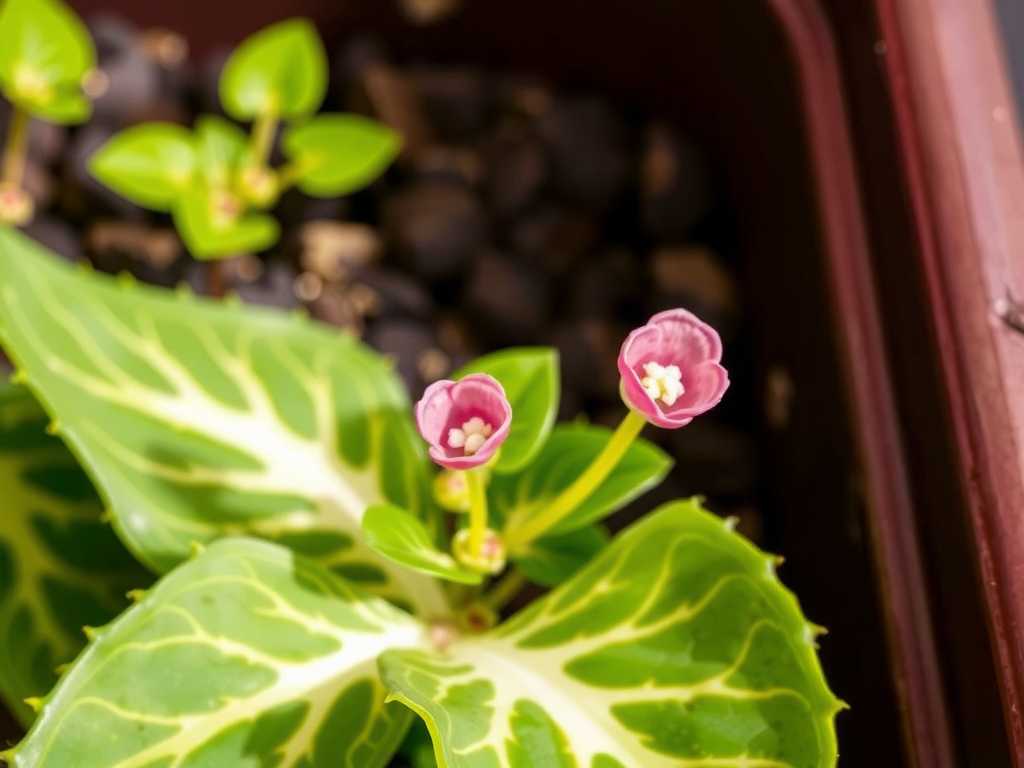
- Day 1-3: The Great Repot. I gently washed the old soil from the roots, which were thankfully white and healthy—a good sign. I repotted it into my standard mix: 1 part perlite to 1 part vermiculite, with a sprinkle of crushed oyster shell for calcium. This mix is fast-draining and mimics the mineral substrates many species prefer. Mistake Alert: My first mix years ago was heavy peat and sand. It retained too much water, leading to root rot and rapidly blackening leaves. The lesson? Drainage is non-negotiable.
- Day 4-7: Water and Light Reset. I placed the pot in a shallow tray of distilled water (the only water I use) and moved it under a grow light for 14 hours a day. I avoided direct, hot sun to prevent shock. The tray method ensures constant, gentle moisture from below without wetting the crown, which can cause crown rot—a surefire leaf killer.
Week 2: Observation and Adjustment
By day 8, the leaves were still pale but had firmed up slightly. No new distress was appearing.
- Day 8-10: First Signs of Dew. Tiny droplets began to form on the leaf margins! This was the breakthrough. It confirmed the roots were taking up water and the plant was metabolizing properly. The Royal Horticultural Society (RHS) advises that dew production is the clearest sign of a Pinguicula’s contentment with its water and light levels.
- Day 11-14: Color and Growth. A subtle rosy hue returned to the leaf edges. Most excitingly, the very center of the rosette showed the tiniest, shiny new leaf emerging. The old, damaged leaves would not recover, but the new growth was healthy—the ultimate goal.
This two-week process wasn’t magic; it was a systematic correction of core issues. The key was patience and reading the leaves daily.
The Pillars of Pinguicula Foliage Health
From this rescue and years of growing, I’ve pinpointed the four pillars of leaf health.
Water: The Foundation of Dew
This is the most common pitfall. Pinguicula need constant moisture but despise waterlogged roots or wet leaves. Always use distilled, reverse osmosis, or rainwater. Tap water minerals will clog the leaf glands, killing dew production and eventually the leaf. The tray method is my gold standard: keep 0.5-1 cm of water in the tray and let it dry out for a day before refilling. In my early days, I top-watered, which led to stagnant water in the crown and a melted center—a heartbreaking sight.
Light: The Energy for Stickiness
Light directly fuels dew production. Aim for bright, indirect light or use a grow light. Insufficient light leads to etiolated, weak, and dry leaves. Too much harsh, direct sun can scorch leaves, causing bleached, crispy patches. My Pinguicula gypsicola once got sunburned on a south-facing windowsill; it took weeks of shaded recovery for new growth to replace the scarred leaves. A simple light meter app can help you find the sweet spot of 10,000-20,000 lux.
Soil and Potting: The Root of the Matter
Healthy leaves start with healthy roots. Forget nutrient-rich soils. They need an inert, well-aerated medium. My preferred mix (perlite/vermiculite) works for many Mexican and temperate species. Some growers swear by a gritty sand, pumice, and peat blend. The pot matters too—use plastic or glazed ceramic with excellent drainage holes. Terracotta wicks away too much moisture. A pot only slightly larger than the root ball prevents soil staying soggy.
Feeding and Dormancy: Seasonal Leaf Changes
- Feeding: Your plant will catch its own food if grown outdoors or near insects. Indoors, you can occasionally place a small, dead insect on a leaf. Avoid overfeeding; one leaf can only digest so much. A fed leaf will often curl slightly around its prey—this is normal. Never use fertilizer on the soil or leaves; it’s fatal.
- Dormancy: Many Pinguicula have a seasonal dormancy. For Mexican types, they form a tight, non-carnivorous “succulent” rosette in winter. Don’t panic when the sticky leaves die back! This is natural. Reduce watering significantly but don’t let the succulent leaves shrivel. It’s a cycle, not a problem.
Troubleshooting Specific Leaf Problems
- Yellowing Leaves: Usually overwatering or poor water quality. Check your water source and let the medium dry slightly more.
- Brown, Crispy Leaf Tips: Low humidity or mineral burn from tap water. Increase local humidity with a pebble tray and double-check your water.
- Leaves Losing Dew: The most common worry. It’s almost always a combination of low light, incorrect water, or low humidity. Systematically check these three factors.
- Blackening Leaves/Mushy Crown: Crown rot from water standing in the center. This is an emergency. Remove the plant from soil, cut away all rot with a sterile blade, and attempt to re-root the remaining healthy portion in fresh, barely moist media.
How often should I water my Pinguicula? The “tray method” is most reliable. Keep the pot sitting in about a centimeter of distilled water, and refill the tray only after it has been dry for a day. This provides constant moisture without waterlogging. In dormancy, keep the soil just barely damp.
Can I mist my Butterwort to increase dew? I do not recommend misting. Water droplets on the leaves can dilute the mucilage, wash away nutrients, and if water sits in the crown, it invites rot. To increase humidity for dew production, place the pot on a humidity tray (a tray filled with pebbles and water) instead.
Why are my Pinguicula’s leaves small and not growing? Consistently small leaves typically point to insufficient light. These are sun-loving plants. Move it to a brighter location or introduce a dedicated grow light for 12-14 hours a day. Also, ensure it’s not in a dormant phase, where growth naturally pauses.
Caring for Pinguicula leaf health is a continuous dialogue. The plant speaks through its foliage, and our job is to listen and adjust. It requires attentiveness—checking the water tray, observing dew, noting color shifts. There’s no single secret, but a harmony of pure water, bright light, airy soil, and seasonal awareness. Start by mastering one pillar, likely your watering technique, and build from there. When you see that first fully dewy leaf unfurl under your care, you’ll know the conversation is flowing both ways. The reward is a glittering, healthy rosette that is not just surviving, but thriving.





