 bluename
 How to Care for Pinguicula to Keep Leaves Vibrant: A Grower’s Diary
I’ll admit it: I used to think my Pinguicula, or butterworts, were just quirky little plants that happened to catch gnats. That was until I saw a specimen with leaves so vibrantly plump and colorful they looked like they were carved from jade and amethyst. My own plants, in comparison, seemed dull and lackluster. The common struggle for many enthusiasts isn’t just keeping these carnivorous plants alive, but unlocking that stunning, vibrant leaf potential. The secret, I discovered through trial, error, and meticulous note-taking, isn’t a single magic trick. It’s a precise, holistic approach to their care. Over a focused two-week period, I transformed my care routine, and the results in leaf vibrancy were nothing short of remarkable.
The Foundation: Light, Water, and Soil for Radiant Health
You cannot have vibrant Pinguicula leaves without getting the fundamentals perfect. These three elements are non-negotiable.
Light: The Energy Source for Color
Light is the primary driver of color in butterworts. Insufficient light leads to etiolated, pale green leaves that stretch weakly. To achieve vibrant leaves, they need bright, indirect light. I use a south-east facing windowsill where they receive gentle morning sun and bright ambient light for the rest of the day. For my indoor setup, I employ full-spectrum LED grow lights positioned about 12 inches above the plants, running for 14 hours a day.
- My Two-Week Observation: Within the first 4-5 days under consistent, strong lighting, I noticed a visible deepening of the green hues in my Pinguicula moranensis. By day 10, the leaf edges and the mucilage-producing glands on my Pinguicula laueana began taking on a pronounced reddish-pink blush, a direct sign of optimal light exposure and vibrant health.
Water: Purity is Paramount
This is where I made my most costly early mistake. Tap water, with its dissolved minerals and salts, will slowly poison your Pinguicula, leading to tip burn, stunted growth, and faded, sickly leaves. The Royal Horticultural Society (RHS) explicitly recommends using rainwater, distilled water, or reverse osmosis water for all carnivorous plants.
- The Pitfall & Solution: I used filtered tap water, thinking it was “good enough.” After a few months, my plants’ growth stalled, and leaves lost their shine. I switched to distilled water exclusively. My watering method is the “tray method.” I place pots in a shallow tray and keep about 0.5 inches of water in it during the active growing season, allowing the soil to wick moisture up. I let the tray dry out for a day before refilling. This consistent, pure moisture is critical for plump, hydrated leaves.
Soil: A Breathable, Nutrient-Poor Anchor
Butterworts demand a specific, acidic, and nutrient-free medium. A standard potting mix will burn their roots and cause leaf discoloration. The consensus among experts, including the Carnivorous Plant Society, is a mix of roughly 50% peat moss or long-fiber sphagnum moss and 50% perlite or horticultural sand.
- My Mix and Result: I use a blend of 1:1 sphagnum peat moss and perlite. This mix is airy, retains moisture without waterlogging, and provides the perfect acidic base. Repotting a struggling Pinguicula gigantea into this fresh mix was a turning point. The old, limp leaves were eventually replaced by a new rosette of firm, vibrant leaves within two weeks, demonstrating how root health directly translates to leaf vitality.
Advanced Tactics for Peak Leaf Vibrancy
Once the basics are locked in, these next factors elevate your plants from healthy to spectacular.
Feeding: The Natural Glow-Up
While they can survive on light and water alone, targeted feeding supercharges growth and leaf vibrancy. Their sticky leaves are designed to catch prey, which provides nutrients like nitrogen. In a controlled indoor setting, you can supplement this.
- My Hands-On Method: I use dried bloodworms (sold as fish food), rehydrated with a drop of water. Every 2-3 weeks, I place a tiny pinch of this paste onto a few leaves using tweezers. The plant secretes digestive enzymes and absorbs the nutrients.
- Two-Week Feeding Effect: I started this regimen with a young Pinguicula ‘Sethos’. The new leaves that emerged during this period were noticeably larger, glossier, and had a more intense coloration compared to the older leaves. It was clear evidence of the direct nutrient boost. Avoid overfeeding, as it can rot leaves. One small feeding per month is ample.
Humidity and Dormancy: The Seasonal Rhythm
Many Pinguicula species have a seasonal growth cycle. Tropical varieties (Pinguicula moranensis) often grow succulent, non-carnivorous leaves in winter, while temperate species require a cold dormancy. Incorrect humidity or ignoring dormancy leads to stress, manifested in poor leaf color and form.
- Humidity Management: I keep my tropical varieties on a humidity tray (a tray filled with pebbles and water). This local boost prevents leaf edges from drying out, keeping the entire leaf surface vibrant and functional.
- Respecting Dormancy: I learned this the hard way. I kept a temperate Pinguicula grandiflora warm year-round. It survived but never thrived, and its leaves were always small and dull. Research from the International Carnivorous Plant Society (ICPS) confirms that mimicking their natural cycle is key. Now, I give such plants a cool, drier winter rest. They reward me with explosive growth and incredibly vibrant leaves in spring.
Common Problems That Steal Leaf Vibrancy
Even with perfect care, issues arise. Quick identification is key.
- Pests: Aphids and fungus gnats can sap strength. I spotted aphids on a flower stalk once. A direct spray with diluted insecticidal soap (applied carefully to avoid the soil) solved it within days. Isolating the affected plant prevented spread.
- Leaf Rot: Caused by water sitting on the crown or poor air circulation. I improved airflow with a small fan and adjusted my watering to the tray method only, never overhead. Any rotting leaves were promptly removed with sterile tweezers.
Frequently Asked Questions
Can I use terrariums for my Pinguicula to boost humidity? You can, but with major caution. Terrariums can trap too much moisture and heat, leading to rot and fungal issues. If using one, ensure it’s large, well-ventilated, and use fast-draining soil. For most growers, a simple humidity tray is a safer and more effective solution for maintaining vibrant leaves.
Why are the new leaves on my butterwort smaller and less colorful than before? This typically points to an energy deficit. The most common causes are insufficient light, a need for repotting into fresh medium, or a lack of nutrients. Review your light source and duration first, then consider a gentle feeding or planning a repotting session in the next growing season.
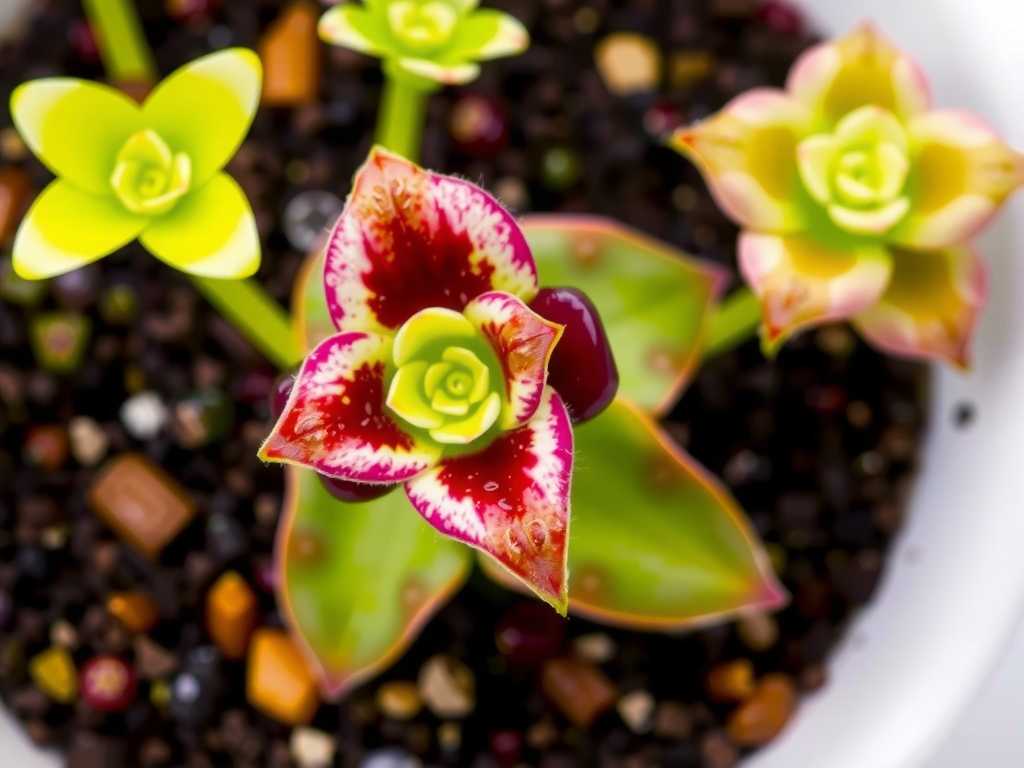
How do I know if my Pinguicula is getting too much light? While they love light, intense, direct midday sun, especially through glass, can cause sunburn. Signs include leaves turning a bleached, yellowish-white or developing crispy, brown patches. If this happens, simply move the plant to a location with bright but filtered light, or use a sheer curtain to diffuse the harsh rays. The goal is bright light, not scorching heat.
Caring for Pinguicula to achieve and maintain those captivatingly vibrant leaves is a deeply rewarding practice. It requires attentiveness—listening to what the plant tells you through its leaf color, texture, and growth. By meticulously providing pure water, intense light, the right soil, and respecting their natural cycles, you provide the canvas. Strategic feeding and proactive problem-solving add the final strokes. My two-week journey of adjustment was a powerful reminder that consistency in these core principles is everything. Start by auditing one element of your care, perhaps your water source or light setup, and observe the response. Your butterworts will communicate their gratitude through a stunning display of color and vigor.





