 bluename
 How to Care for Pinguicula: Dormancy Signs to Spot
If you’ve ever watched your vibrant, dewy Butterwort suddenly stop growing, its leaves looking a little sad, and panicked that you’ve killed it, you’re not alone. For years, I struggled with this exact fear. I’d see my Pinguicula slow down, assume I was failing, and change its care—often with disastrous results. The truth I learned the hard way is that for many Pinguicula species, this isn’t a death sentence; it’s a natural, healthy dormancy period. Understanding how to care for Pinguicula means learning to read its subtle language, especially the dormancy signs to spot. Missing these cues can interrupt its vital rest cycle, weakening the plant over time.
This guide is born from my own two-week observation vigil, countless mistakes, and finally, success. I’ll walk you through exactly what to look for and how to adjust your care, so your carnivorous companion thrives year after year.
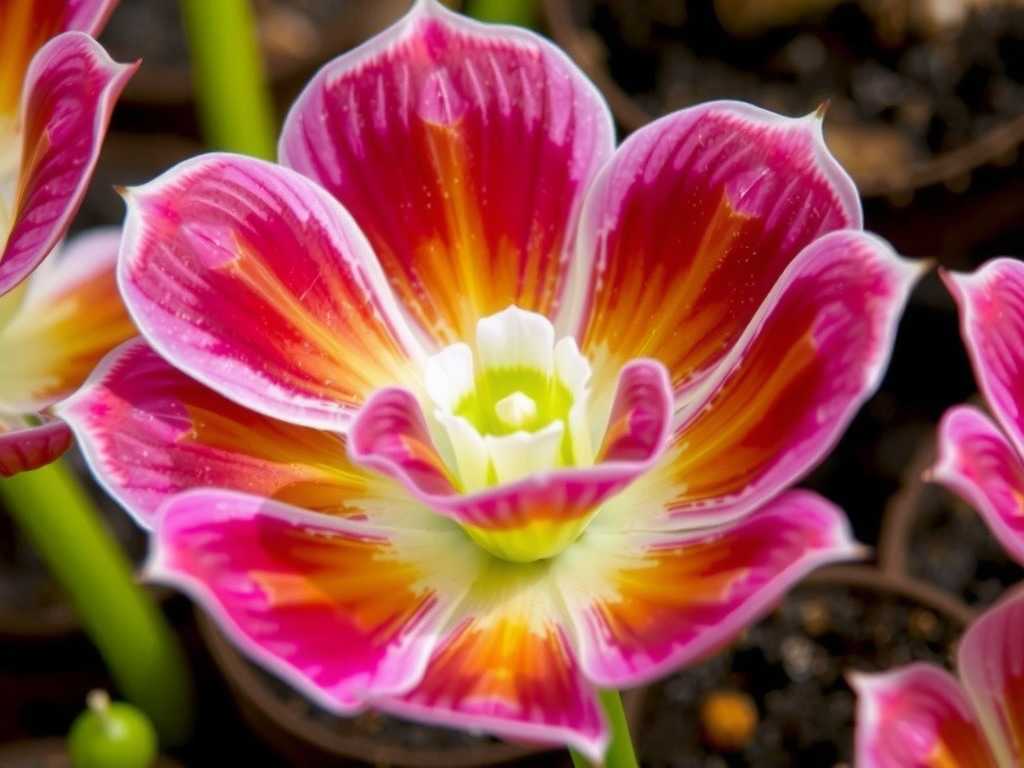
Understanding the Pinguicula Dormancy Cycle: Why It Happens
First, let’s talk about why. Many temperate and subtropical Pinguicula (like the popular Pinguicula moranensis) experience a dormancy period, typically in the cooler, drier months. This is a survival strategy. In their native habitats, resources become scarce. By slowing down and forming a tight, succulent-like rosette (called a hibernaculum), they conserve energy and water to survive until favorable conditions return.
Ignoring this need is like denying a bear its hibernation. The plant will become exhausted. As explained in resources from the International Carnivorous Plant Society (ICPS), forcing growth year-round depletes the plant’s reserves, leading to smaller, weaker growth in the active season and, eventually, decline.
The Key Dormancy Signs to Spot: A Two-Week Observation Log
Recognizing dormancy isn’t about one dramatic change. It’s a series of subtle shifts. Last autumn, I dedicated two weeks to closely monitoring my Pinguicula ‘Sethos’. Here’s what I documented.
Week 1: The Initial Clues
At the start, the plant looked mostly normal. But upon daily inspection, I noticed three things. First, new leaf production had completely halted. For a plant that usually unfurled a new leaf every few days, this was a big red flag. Second, the existing leaves felt slightly thicker and less flexible to the touch. They were losing their flat, sticky flypaper appearance. Finally, the vibrant green color began to mute, taking on a slightly reddish or bronze tint at the base.
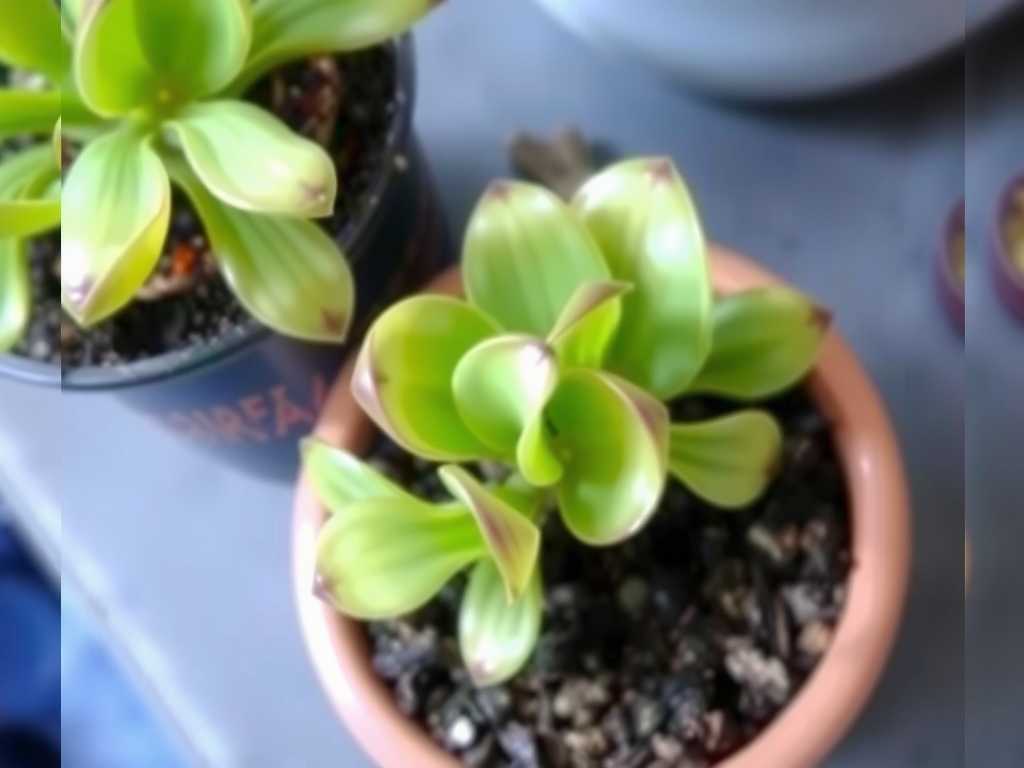
I almost messed up here. My instinct was to water it more, thinking it was thirsty. Thankfully, I held off.
Week 2: The Transformation Confirms It
By the second week, the signs were unmistakable. The plant was actively forming a tight, central bud. The outer leaves gradually dried up as the inner leaves contracted into a dense, onion-like structure—the hibernaculum. The carnivorous glands on the leaf surfaces disappeared entirely. The plant was clearly shutting down its insect-trapping operations to focus on survival.
This was my “aha!” moment. The plant wasn’t dying; it was expertly transforming itself for its winter rest.
How to Adjust Care During Pinguicula Dormancy
Once you’ve spotted the signs, your care routine must pivot dramatically. Here’s the protocol I follow, backed by the advice of seasoned growers from forums like TerraForums and the Carnivorous Plant Hub.
1. Watering: The Most Critical Shift This is where I’ve killed plants in the past. You must reduce watering significantly. I switch from the tray method (keeping the pot in standing water) to simply keeping the substrate barely moist. I now only lightly water from the top when the soil surface feels completely dry, which might be just once every 10-14 days. The goal is to prevent the hibernaculum from desiccating, not to keep the soil wet. Soggy soil during dormancy is a fast track to root rot.
2. Light and Temperature I keep my dormant Pinguicula in the same bright window, but the light is naturally less intense in winter. This is fine. They still need good light, even while dormant. More importantly, I allow for cooler temperatures. I move them to a windowsill where nighttime temps can drop to 50-55°F (10-13°C). This temperature drop is a natural trigger and helps maintain the dormant state.
3. Feeding and Fertilizing: A Full Stop Absolutely no feeding or fertilizing. The plant is not actively growing and cannot use the nutrients. Insect prey or fertilizer will only sit and decay, harming the plant. I make sure to clear any dead leaves or debris from the soil surface to prevent mold.
Common Pitfalls and How I Solved Them
Pitfall 1: Overwatering During the Transition. As I mentioned, I used to see slower growth and water more. This caused the base of my Pinguicula gypsicola to turn to mush. The solution was painful but educational. I had to perform emergency surgery: unpotting, cutting away all rot with a sterile blade, dusting with sulfur, and repotting in bone-dry media. I then didn’t water it for three weeks. It survived, but it was a stressful lesson. Now, I err on the side of too dry when in doubt.
Pitfall 2: Mistaking Dormancy for Death. My first Pinguicula agnata went into dormancy, and I thought it was a goner. I nearly threw the pot away! A seasoned grower on a forum advised me to label pots clearly and be patient. I left it in a corner for two months with minimal care, and come spring, a tiny green nub appeared from the center. Patience is the most important tool.
Pitfall 3: One-Size-Fits-All Assumption. Not all Butterworts have the same dormancy. Tropical species like Pinguicula ‘Tina’ may only slow down but not form a tight hibernaculum. I learned to research each species’ specific needs. The resource “The Carnivorous Plant FAQ” by Barry Rice was invaluable here. Knowing your plant’s origin is key.
Awakening: Welcoming Your Pinguicula Back to Growth
The dormancy period can last from 3 to 5 months. The signal to resume active care is when you see new, carnivorous leaves emerging from the center of the hibernaculum. This usually happens as days lengthen and temperatures warm.
When I see this, I gradually increase watering over a week, returning to the tray method. I also move it to a slightly warmer spot. The first new leaves are often small, but soon, it returns to its full, glistening glory, ready to catch gnats again.
How long does Pinguicula dormancy typically last? For most temperate species, expect a rest period of 3 to 5 months, usually from late fall through winter. The plant itself will tell you when it’s ready to wake up with new growth.
My Butterwort is forming a hibernaculum, but it’s spring! What’s wrong? Don’t panic. Sometimes stress from repotting, a sudden heatwave, or inconsistent watering can trigger a false dormancy. Return to stable, optimal growing conditions, and it will likely resume normal growth. Consistency is crucial.
Should I remove the dried outer leaves from the hibernaculum? It’s generally best to leave them unless they show clear signs of mold. They offer a small degree of protection to the inner bud. If you must remove them, do so gently with tweezers to avoid disturbing the core.
Spotting and respecting your Pinguicula’s dormancy is the mark of a thoughtful grower. It moves you from simply keeping a plant alive to understanding its natural rhythm. By learning to read the signs—the halted growth, the tightening bud, the change in leaf texture—you partner with the plant in its lifecycle. The reward is a resilient, thriving Butterwort that returns each spring more vigorous than the last, a testament to your patience and attentive care.





