 bluename
 How to Care for Pinguicula Before Dormancy Hits: A Grower’s Guide to a Smooth Transition
As the days grow shorter and the air turns crisp, a familiar anxiety starts to creep in for us Pinguicula growers. You look at your vibrant, dewy butterwort, thriving on its diet of gnats and basking in the summer sun, and a nagging question arises: “Is it time? What do I do to prepare it for dormancy?” I’ve been there, staring at my collection, worried that one wrong move could turn a beautiful plant into a mushy mess or a desiccated husk. The pre-dormancy period is the most critical window for ensuring your Pinguicula doesn’t just survive the winter but re-emerges stronger and ready to bloom. Through trial, error, and careful observation over many seasons, I’ve dialed in a reliable process. Let me walk you through exactly how to care for your Pinguicula before dormancy hits, sharing the steps that work, the mistakes I’ve made, and what you can expect to see.
Understanding the Dormancy Signal: It’s Not Just the Calendar
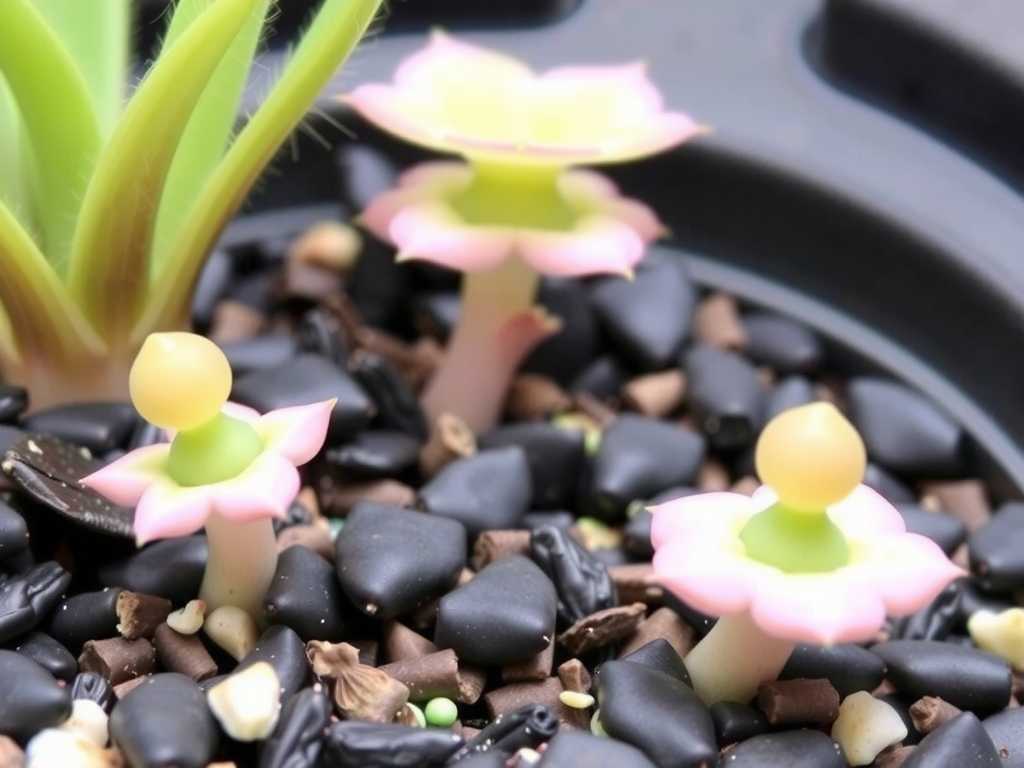
First, let’s ditch the strict calendar-based approach. While many temperate and subtropical Pinguicula enter dormancy in late fall or winter, your plant’s environment is the true trigger. The primary signals are reduced photoperiod (shorter daylight hours) and cooler temperatures. I learned this the hard way one year when I moved my plants indoors under strong, consistent grow lights in early October. The outdoor temperatures dropped, but my plants, confused by the artificial long “day,” kept growing weakly. They never formed proper, tight winter buds (hibernacula) and were severely weakened come spring.
Expert Insight: The International Carnivorous Plant Society (ICPS) notes that for many temperate species, a combination of cooling temperatures and shortening days initiates the physiological changes leading to hibernacula formation. Ignoring one signal can disrupt the cycle.
So, my first piece of advice is to sync your care with natural light changes if possible. If you use grow lights, consider adjusting the timer to mimic shorter fall days about 6-8 weeks before you expect dormancy.
My 2-Week Pre-Dormancy Preparation Protocol
This isn’t an overnight switch. It’s a gradual transition. I start my active preparation about two weeks before I expect my plants to fully shift into dormancy mode. Here’s my step-by-step routine.
Step 1: The Strategic Location Change
About two weeks out, I begin moving my temperate Pinguicula (like Pinguicula grandiflora, P. vulgaris) to a cooler location. For me, this is an unheated but frost-free sunroom. The key is a gradual temperature drop. A sudden shock from a warm windowsill to a cold garage is harmful. The ideal target range for this phase is between 5°C to 12°C (41°F to 54°F).
- The Mistake I Made: One season, I moved my Pinguicula moranensis (a subtropical often treated as temperate) to the cool spot too abruptly. The plant aborted its leaves rapidly but hadn’t fully drawn resources into the center. The resulting hibernaculum was small and struggled to revive.
- The Solution: Now, I move the plants over 3-4 days, first to a slightly cooler indoor spot, then to their final cool location.
Step 2: The Great Watering Shift
This is the most crucial change. As growth slows, the plant’s water needs plummet. Continuing to keep the soil soggy is the fastest route to rot. My protocol:
- Week 1 of Transition: I let the growing medium dry out more thoroughly between waterings. Instead of keeping the tray consistently filled, I water from the top until moist, then wait until the surface feels just slightly damp before considering more water.
- Week 2 of Transition: I reduce watering significantly. The goal is to keep the medium only barely moist, not wet. For plants in pure mineral mixes (like perlite/pumice), this might mean a light sprinkle every 10-14 days.
Observation Log (Over 14 Days):
- Days 1-3: Plants show little change. Dew on leaves may slightly reduce.
- Days 4-7: Outer, older leaves may begin to look a little tired or stop producing dew. New leaf growth from the center visibly slows or stops. This is normal—don’t panic and fertilize!
- Days 8-10: The center of the plant becomes more obvious. You’ll see a tight, small bud forming where the new leaves once emerged. This is the hibernaculum! Leaves continue to senesce.
- Days 11-14: The hibernaculum tightens further, often taking on a denser, sometimes slightly fuzzy appearance. Most or all of the carnivorous leaves have withered. At this point, I remove only the completely dry, crispy dead leaves to prevent mold, being careful not to disturb the central bud.
Step 3: Light Adjustment and Feeding Cessation
- Light: Even in dormancy, they need light. I ensure the plants in the cool spot still receive several hours of indirect or weak direct light. No deep, dark closets. The light helps maintain the plant’s basic functions and prevents etiolation of the hibernaculum.
- Feeding: I stop all feeding—insect or otherwise—as soon as I initiate the transition. The plant is not actively growing and cannot use the nutrients, which would only sit in the medium and potentially cause issues.
Addressing Common Pitfalls and Problems
Problem: The plant is still growing lush leaves as temperatures drop. This happened with my Pinguicula gigantea. I realized it was getting too much warmth from a nearby appliance. Solution: Double-check for ambient heat sources and ensure the photoperiod is shortening. Some subtropicals may simply have a delayed response; be patient and maintain the cooler, drier regime.
Problem: Mold or fungus gnats on the drying medium. A common issue in damp, cool conditions. Solution: I improve air circulation with a small, gentle fan. For mold, I carefully scrape off the top layer of medium and replace it with a fresh, dry layer of sand or perlite. For gnats, the drier medium itself usually solves the problem, as their larvae can’t survive.
Problem: The hibernaculum looks shriveled and dry. This is often due to underwatering during the transition or an environment that is too arid. Solution: I give the pot a very light bottom-watering, allowing just the bottom quarter to absorb moisture for an hour before removing it from the water tray. I might also place the pot in a slightly more humid microclimate within the cool space.
The Role of Medium and Pot Choice
Your pre-dormancy success is built on your growing setup. A well-draining, airy medium is non-negotiable. My mix is 50% perlite, 30% vermiculite, and 20% fine silica sand. This holds just enough moisture during growth but dries out efficiently for dormancy. Terra cotta pots can wick away excess moisture faster than plastic, which can be beneficial during this drying-down phase.
Authority Reference: Renowned horticulturist and author Barry Rice, in his book Growing Carnivorous Plants, emphasizes that “excess moisture during dormancy is the most common killer” of temperate carnivorous plants, underscoring the need for proper medium and watering discipline.
Frequently Asked Questions Before Pinguicula Dormancy
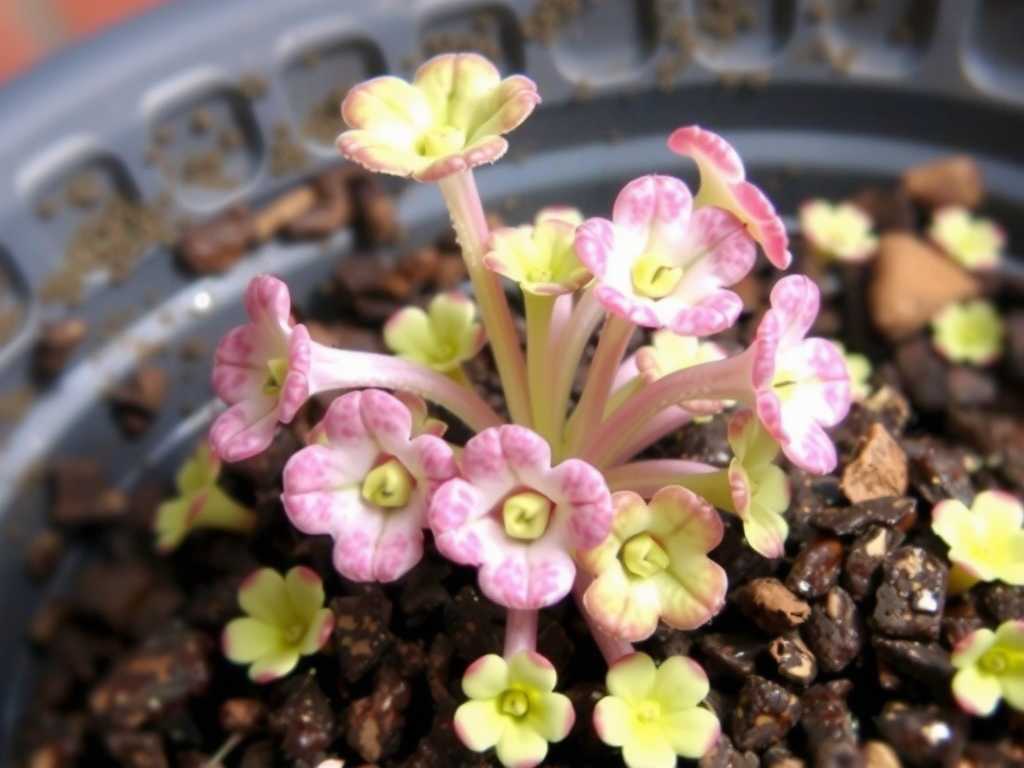
My Pinguicula hasn’t formed a visible hibernaculum, but it’s late fall. What should I do? Don’t force it. Ensure it’s experiencing cooler temps and shorter days. Some species or individual plants are simply slower. Continue to reduce watering slightly and be patient. It may form a smaller bud or enter a semi-dormant state. Forcing dryness on an actively growing plant is more harmful than waiting.
Can I repot my Pinguicula right before dormancy? It’s not ideal. The best time is as they are coming out of dormancy, just as new growth begins. Repotting before dormancy disturbs the roots when the plant is preparing to shut down, risking rot or failed hibernaculum formation. If you must, do it very early in the transition period and be extra cautious with moisture.
How do I care for tropical Pinguicula that don’t go dormant? Species like Pinguicula esseriana or P. agnata typically do not form hibernacula. Their pre-dormancy care is different—they often just slow down in winter. For these, I simply reduce watering moderately, ensure they stay warm (above 15°C/60°F), and provide consistent light. There’s no drastic change, just a slight reduction in resources to match their slower growth rate.
Watching your Pinguicula transform into its compact, resting bud can be as rewarding as seeing it in full, dewy glory. The key is to view dormancy not as a period of neglect, but as a phase of active, mindful care with different rules. By gradually introducing cooler temperatures, meticulously scaling back water, and providing steady, gentle light, you’re giving your plant the precise cues it needs to hunker down safely. Remember, the robust summer growth and stunning spring flowers are directly fueled by a successful dormancy. Start the transition early, observe closely, and resist the urge to over-care. Your patient, informed approach during these few critical weeks is the greatest gift you can give your butterwort for the seasons to come.





