 bluename
 How to Care for Pinguicula with LED Lights: The Ultimate Setup Guide
Have you ever admired the jewel-like dewdrops and vibrant colors of a Pinguicula, only to watch it struggle under inadequate light? You’re not alone. Many carnivorous plant enthusiasts face the challenge of providing the intense, specific light these "butterworts" crave, especially indoors. Natural sunlight is often insufficient or inconsistent, leading to etiolated, weak plants that lose their characteristic stickiness and color. This is where a proper LED light setup becomes not just convenient, but essential for cultivating thriving, predatory Pinguicula. This guide will walk you through everything you need to know about using LED grow lights to create the perfect environment for your butterworts, from selecting the right fixture to dialing in the perfect schedule.
Understanding Pinguicula’s Light Needs: More Than Just Brightness
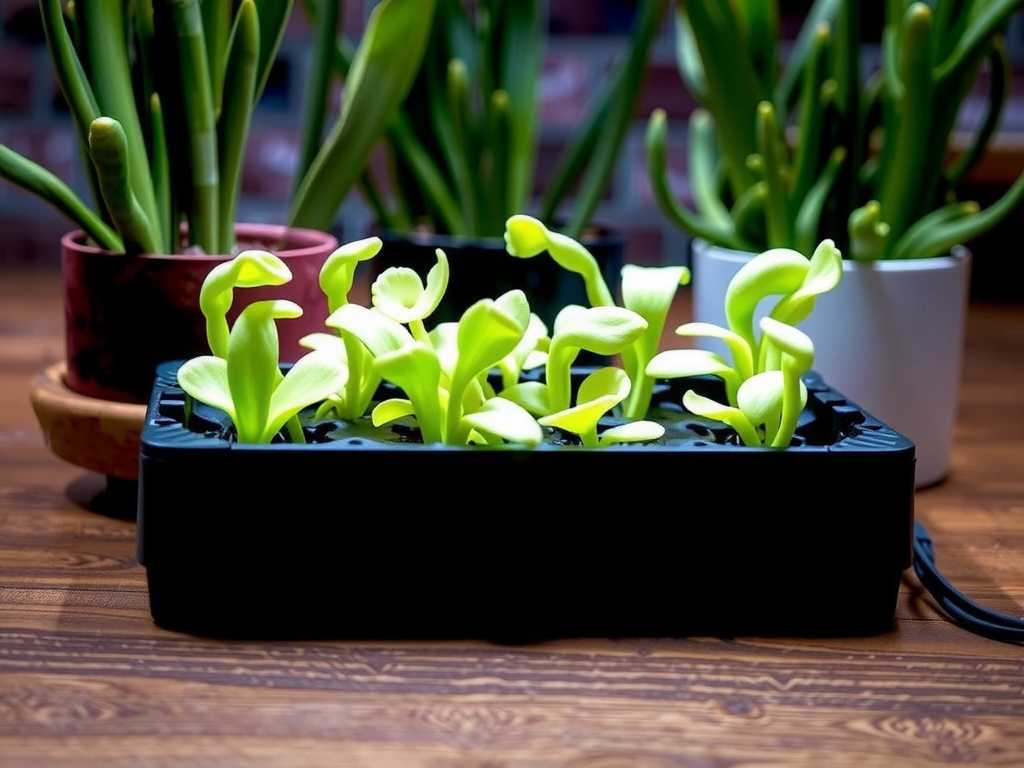
Before plugging in any light, it’s crucial to understand what you’re trying to replicate. Pinguicula species hail from diverse habitats, but most cultivated varieties thrive in conditions similar to bright, indirect alpine or Mediterranean sunlight. They are not deep forest plants; they require high light intensity to compact growth, develop their signature carnivorous leaves with sticky mucilage, and often, to induce stunning stress coloration in shades of pink, red, and purple.
Dr. Damon Collingsworth of the Carnivorous Plant Sanctuary notes, "Light is the primary driver of health in carnivorous plants. For Pinguicula, sufficient light ensures robust photosynthetic efficiency, which directly fuels trap function and nutrient absorption." Without it, plants become "green and hungry," prioritizing chlorophyll production over trap maintenance.
This is the core user problem: standard household lighting is woefully inadequate. LED grow lights solve this by delivering targeted, full-spectrum light that mimics the sun’s key wavelengths, promoting photosynthesis and overall plant health without excessive heat.
Choosing the Perfect LED Grow Light for Your Butterworts
Not all LED lights are created equal. Selecting the right one is the most critical step in your Pinguicula LED light setup. Here are the key factors to consider:
Light Spectrum: Full-Spectrum is Best Modern full-spectrum white LEDs are ideal for Pinguicula. They provide a balanced mix of blue, green, and red wavelengths. Blue light promotes compact, sturdy leaf growth. Red light is crucial for flowering and can enhance coloration. A light with a Kelvin rating between 3500K and 5000K (daylight white) is excellent, as it appears natural to the human eye while providing the necessary spectral output.
Light Intensity (PPFD): The Measure of Useful Light Photosynthetic Photon Flux Density (PPFD) measures how many photosynthetically active photons hit a given area per second. For Pinguicula, aim for a PPFD range of 150 to 250 µmol/m²/s at the leaf surface for most temperate and tropical species. High-light Mexican species may appreciate up to 300 µmol/m²/s. Many quality LED fixtures now list their PPFD maps. A simple light meter app can provide a rough estimate to help you position lights correctly.
Coverage and Hanging Height Consider the size of your growing area. A single bulb may suffice for one plant, but a panel or bar light is better for a shelf or terrarium. Look for lights with adjustable hanging cables or brackets. The ability to raise and lower the light is vital for adjusting intensity and preventing light stress (bleaching) while ensuring even coverage.
Energy Efficiency and Heat Output LEDs are champions of efficiency, converting most energy into light, not heat. This low-heat output is a major advantage, allowing you to place lights closer to plants without risk of scorching. It also helps maintain stable temperature and humidity levels in enclosed spaces.
The Step-by-Step Guide to Setting Up Your LED Lights
Now, let’s get your lights installed and running. Following this setup for Pinguicula LED lighting will ensure a smooth start.
Step 1: Assemble Your Growing Space Whether it’s a shelf, a terrarium, or a dedicated plant cabinet, ensure the area is clean and has access to power. Reflective surfaces (like white paint or Mylar) on the walls can significantly boost light efficiency by bouncing it back onto the plants.
Step 2: Mount and Position the Light Fixture Secure your LED light above the growing area. For most fixtures, start with the light 12 to 18 inches (30-45 cm) above the top of your Pinguicula’s leaves. This is a safe starting distance. Refer to your light’s PPFD map for more precise hanging heights.
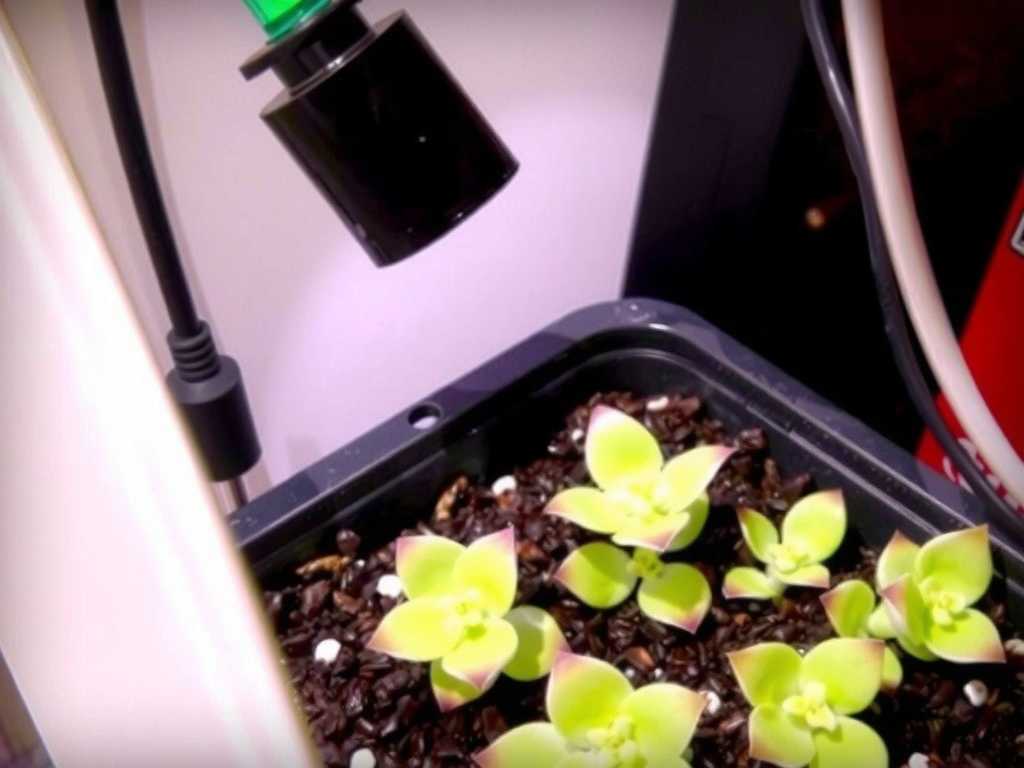
Step 3: Configure the Light Schedule (Photoperiod) Pinguicula need a consistent day/night cycle. Use an inexpensive mechanical or digital timer. For most species, a photoperiod of 12-14 hours of light is perfect. This mimics long summer days and provides ample energy. A consistent schedule is more important than occasionally blasting them with long hours.
Step 4: Observe and Adjust This is the most important phase. Over the first week, closely monitor your plants.
- Signs of Too Little Light: Leaves become elongated, pale, and floppy. The plant stretches toward the light. Dew production may decrease.
- Signs of Too Much Light: Leaves may bleach to a pale yellow or white, develop brown, crispy tips or patches, or appear stunted and stressed. Adjust the light’s height incrementally based on these observations. Raising the light decreases intensity; lowering it increases intensity.
Optimizing the Entire Environment Under LEDs
Light is just one piece of the puzzle. A successful butterwort care with artificial light system requires harmonizing all environmental factors.
Watering and Humidity Under strong LEDs, media may dry slightly faster. Continue using the tray method with distilled, reverse osmosis, or rainwater, keeping the soil consistently moist but not waterlogged. Most Pinguicula enjoy moderate humidity (50-60%). Good air circulation around the plants helps prevent fungal issues, especially in a warm, lit environment.
Feeding and Nutrition With optimal light, your Pinguicula will be highly active. They can catch small gnats and springtails on their own. You can supplement by gently placing dried bloodworms or fish food flakes on their leaves once every 2-4 weeks during active growth. Strong light ensures they can digest this bonus nutrition effectively.
Seasonal Changes and Dormancy Remember, some Pinguicula have winter dormancy cycles. Temperate species form tight, non-carnivorous hibernacula. During this period, you should drastically reduce light intensity and duration (to 8-10 hours) and lower temperatures. This rest period is crucial for long-term health. LED lights make this seasonal adjustment simple with a timer.
Troubleshooting Common LED Growth Issues
Even with a great setup, you might encounter hiccups. Here’s how to diagnose them.
Leggy Growth or Lack of Dew: This is almost always insufficient light intensity or duration. Measure your PPFD or simply lower your light fixture a few inches. Ensure the photoperiod is at least 12 hours.
Leaf Scorch or Bleaching: Your light is too intense or too close. Raise the fixture immediately. Some Mexican species develop beautiful red edges under strong light, but pure white or brown crispy spots indicate damage.
Algae Growth on the Soil Surface: This is caused by excessive light and moisture on the media. Increase the distance between the light and the soil surface, ensure top-layer media is less water-retentive (use more sand or perlite), and improve air circulation.
Frequently Asked Questions
How long should I leave my LED lights on for Pinguicula? A consistent 12 to 14 hours per day is ideal for most species during their active growing season. Always use a timer for consistency, which reduces plant stress and mimics natural conditions.
Can I use regular white LED shop lights for my butterworts? Yes, you can, especially newer, bright "daylight" (5000K) shop lights. They are a cost-effective entry point. However, their PPFD output is often lower than dedicated grow lights, so you will need to place them much closer to the plants (sometimes 4-6 inches away) and they may not induce the same level of vibrant coloration as full-spectrum horticultural LEDs.
My Pinguicula is under strong LEDs but isn’t turning pink or red. Why? Color development is a complex stress response influenced by light spectrum, intensity, and genetics. Some species or clones simply stay green. To encourage color, ensure you are using a light with sufficient red wavelengths and high enough intensity (towards the upper end of the plant’s tolerance). Also, factors like cooler nighttime temperatures and slight nutrient stress can enhance coloration. Be patient, and avoid pushing light levels so high that you damage the plant.
Mastering the use of LED grow lights transforms Pinguicula cultivation from a challenging hobby into a highly rewarding one. By providing a controlled, consistent source of high-quality light, you unlock the full potential of these plants: vibrant colors, prolific dew, and vigorous growth. Start with the right full-spectrum fixture, follow the simple setup steps, and learn to read your plant’s responses. The journey from a simple setup to a thriving, colorful collection under the gentle glow of LEDs is a fascinating process that demystifies indoor carnivorous plant care. Your butterworts will thank you with a stunning display of natural artistry.





