 bluename
 How to Care for Pinguicula with Fluorescent Lights
You love the jewel-like appearance of your butterworts, but your home lacks the bright, sunny windowsill they crave. Perhaps you’ve watched your Pinguicula stretch weakly, lose its vibrant color, or fail to produce its charming flowers. The problem isn’t your care—it’s light. Without adequate illumination, these carnivorous wonders cannot thrive. The solution is more accessible than you think: a simple fluorescent light setup can transform your growing space into a perfect habitat for healthy, dewy, and blooming Pinguicula.
This guide will walk you through everything you need to know about using fluorescent lighting to successfully grow Pinguicula indoors. We’ll cover the science behind the light, the practical setup, and the ongoing care adjustments to ensure your plants not only survive but flourish.
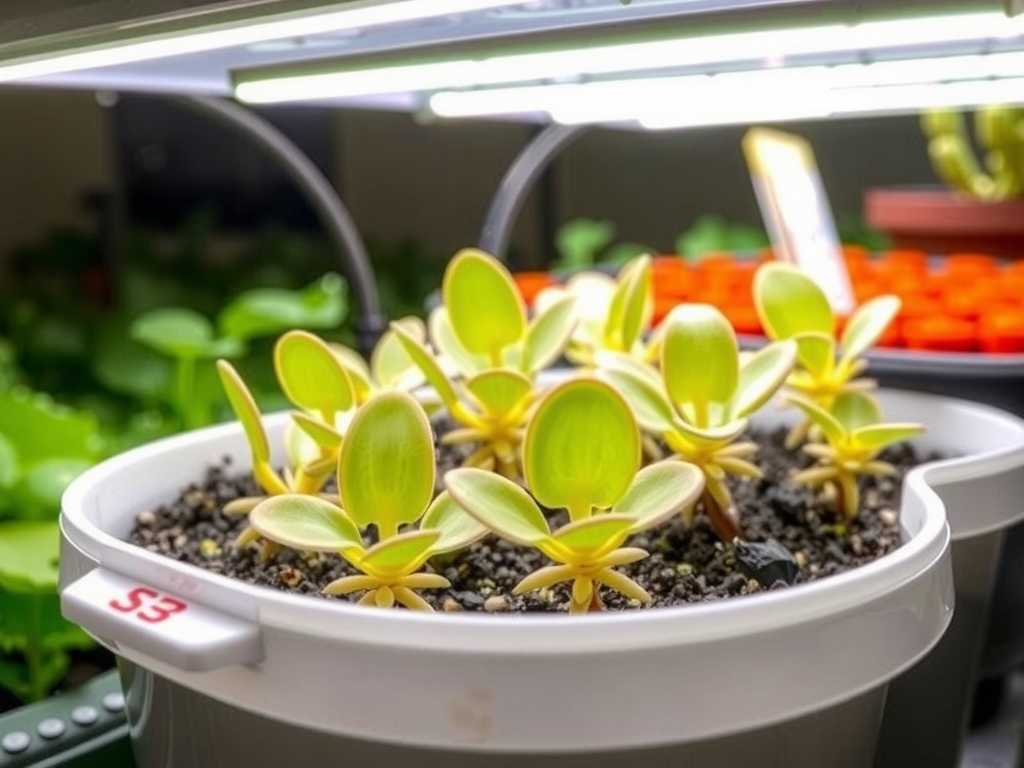
Understanding Pinguicula’s Light Needs
Pinguicula, commonly known as butterworts, are sun-loving plants. In their natural habitats, from Mexican hillsides to North American bogs, they bask in bright, often direct light. This light fuels photosynthesis, which is essential for growth and the production of sticky mucilage on their leaves to trap insects. Adequate light also triggers and supports flowering.
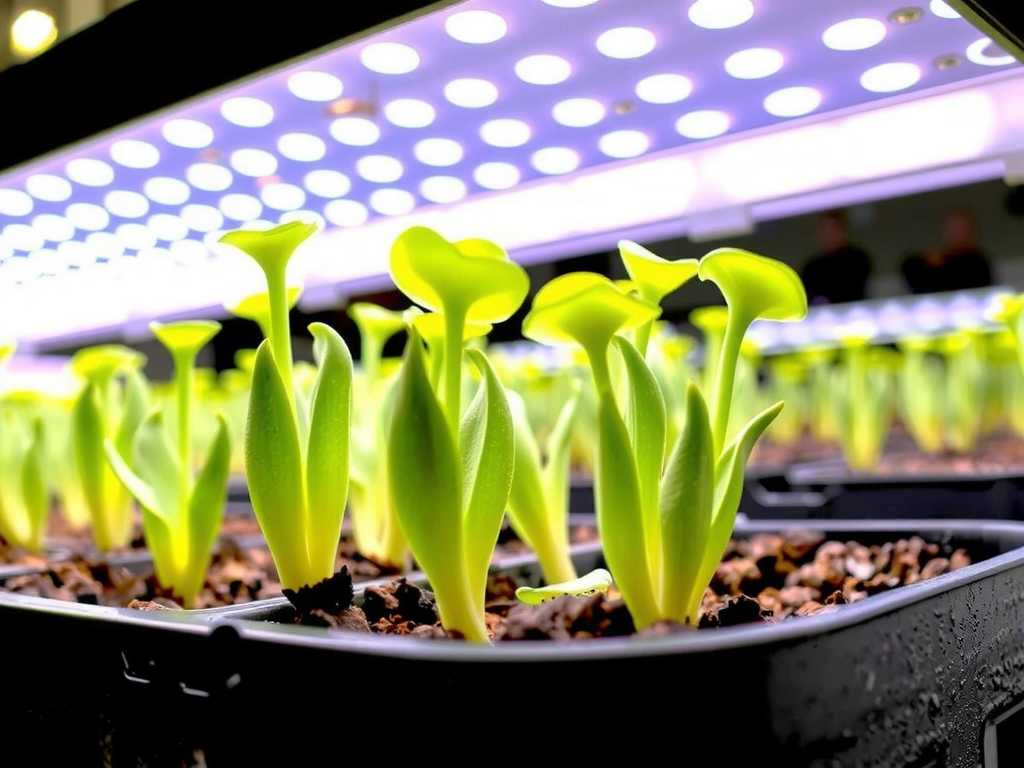
For indoor growers, replicating this intensity with typical household lighting is impossible. North-facing windows offer insufficient light, while intense, unfiltered southern sun through glass can sometimes scorch leaves. This is where supplemental or full-spectrum fluorescent lighting becomes not just helpful, but essential. It provides a consistent, controllable light source independent of weather or season.
Why Fluorescent Lights Are Ideal for Butterworts
Fluorescent lights have long been a staple for indoor plant enthusiasts and for good reason. They are a cost-effective, energy-efficient, and low-heat solution perfect for the needs of Pinguicula.
Traditional T5 and T8 fluorescent tubes are excellent choices. T5 HO (High Output) fixtures are particularly effective, producing more light per tube in a slimmer form. Their spectrum can be tailored; "daylight" or "full-spectrum" bulbs (often rated 6500K) provide the blue-white light ideal for promoting compact, vegetative growth. Some growers also use a mix with a "warm white" bulb (around 3000K) to include more red spectrum, which can benefit flowering.
Compared to newer technologies like LEDs, fluorescent setups are often less expensive upfront for a multi-bulb fixture. Their diffuse light spreads evenly, reducing harsh shadows and the risk of hot spots that could dry out or burn your plants—a crucial factor for moisture-loving butterworts. Expert carnivorous plant cultivator, Dr. Damon Collingsworth of California Carnivores, often notes that for many growers starting out, a simple 2- or 4-bulb T5 fixture is the most reliable and straightforward path to success with light-sensitive plants like Pinguicula.
Setting Up Your Fluorescent Light Garden
Creating the right environment is about more than just hanging a light. Follow these steps for an optimal setup.
Choosing Your Fixture and Bulbs For a single plant or a small tray, a two-foot, two-bulb T5 HO fixture is sufficient. For a standard growing tray (about 10"x20"), a four-foot, four-bulb fixture provides excellent coverage. Always opt for high-quality, name-brand "horticultural" or "full-spectrum daylight" bulbs designed for plant growth. Their Color Rendering Index (CRI) should be above 85, and the color temperature should be in the 6500K range.
Determining the Correct Hanging Height Distance is critical. Fluorescent lights must be close to the plants to be effective, as light intensity drops dramatically with distance. For most Pinguicula, the bulbs should be suspended 4 to 8 inches above the top of the leaves. Start at the higher end (8 inches) and observe your plants. If they appear to be stretching or remain pale green, lower the fixture slightly. If the leaves start to yellow or look stressed, raise it. The goal is to achieve a compact, flat rosette with a slight reddish or pinkish tinge on the leaves—a sign of perfect light exposure.
Setting a Photoperiod with a Timer Consistency is key. Pinguicula benefit from a regular day/night cycle. Use an inexpensive outlet timer to automate your lighting. A photoperiod of 12-14 hours of light per day is ideal for most species year-round. This mimics long summer days and provides ample energy. Do not run lights for 24 hours; plants need a dark period for respiration.
Caring for Pinguicula Under Artificial Light
With your lights in place, your care routine will need slight but important adjustments.
Watering and Humidity Considerations The gentle warmth from fluorescent lights can increase evaporation. Check your watering medium more frequently. Pinguicula should be grown in a well-draining, mineral-rich mix like a perlite/vermiculite or perlite/peat blend. Always use distilled, reverse osmosis, or rainwater. Water from below by keeping the pot in a shallow tray with about 1/4 inch of water, allowing the medium to wick moisture upward. Under lights, the top may dry faster, but the tray method helps maintain consistent root-zone moisture.
While fluorescent lights don’t drastically lower humidity like some heat-intensive lights can, grouping plants together or using a humidity tray (a water-filled tray with pebbles underneath the plant pots) can help maintain a favorable microclimate, especially in air-conditioned or heated rooms.
Feeding and Soil Health Under proper fluorescent lighting, your Pinguicula will be actively growing and "hungry." They will catch some small insects like fungus gnats on their own if grown in an open room. You can supplement by gently placing very small, dried insects like bloodworms or fruit flies on their leaves every 2-4 weeks during active growth. Avoid overfeeding; one or two leaves per plant is plenty.
The soil medium itself does not need to be fertilized. In fact, fertilizer is harmful and can burn their roots and leaves. Their nutrition comes from captured prey. A 2021 report from the International Carnivorous Plant Society emphasizes that the primary role of artificial lighting is to provide the energy for the plant to properly digest these captured nutrients, making light the cornerstone of successful feeding.
Seasonal Adjustments for Flowering and Dormancy Some Pinguicula, like the temperate P. vulgaris, require a cold dormancy. Under a consistent light cycle, you will need to induce this by moving the plant to a colder location (refrigerator or unheated garage) for several months, during which time lighting is unnecessary.
For tropical and subtropical butterworts (like the popular P. moranensis or P. gigantea) that grow year-round, your consistent fluorescent light schedule supports continuous growth. To encourage flowering, ensure they are receiving the full 14 hours of light. The flowering response is often tied to maturity and light intensity. If a healthy, mature plant isn’t blooming, try increasing light duration by an hour or ensuring the bulbs are fresh (replace bulbs annually, as their output diminishes over time).
Troubleshooting Common Issues
Even with the best setup, you may encounter challenges. Here’s how to diagnose and fix them.
Leggy or Stretched Growth This is the clearest sign of insufficient light. The plant is straining to reach the light source. Immediately lower your fluorescent fixture closer to the plant, ensuring it is within the 4-6 inch range. Also, check the age of your bulbs; old bulbs lose intensity.
Pale or Yellowing Leaves If leaves turn pale green or yellow, it can signal light stress (too intense) or, more commonly under lights, a watering issue. First, check that the fixture isn’t too close, causing heat or light burn. If the distance is correct, assess your watering. Yellowing can indicate root rot from being too soggy. Let the medium dry out slightly more between waterings.
Lack of Dew or Flowers If your butterwort’s leaves are not producing sticky dew, it lacks the energy to create this mucilage. Increase light duration or intensity. A lack of flowers in a mature plant similarly points to a need for more light—either longer duration or brighter bulbs. Ensure you are using the correct full-spectrum bulbs and that your photoperiod is consistently 14 hours.
How far should fluorescent lights be from my Pinguicula? For most setups, maintain a distance of 4 to 8 inches between the bulbs and the top of the leaves. Start at 8 inches and adjust based on the plant's response: move closer if the plant stretches, move farther if it shows signs of bleaching or stress.
Can I use regular shop lights to grow butterworts? Yes, standard cool white or daylight fluorescent shop lights can work, especially for less demanding species. However, dedicated full-spectrum or "grow" bulbs in a T5 HO fixture will provide a better light spectrum and higher intensity, leading to more robust growth, better coloration, and reliable flowering.
How long should I leave the lights on each day? A consistent photoperiod of 12 to 14 hours of light per day is ideal for most Pinguicula species. Use an outlet timer to automate this schedule. Avoid leaving lights on for 24 hours, as plants require a dark period for essential physiological processes.
Mastering the use of fluorescent lights unlocks the full potential of growing Pinguicula indoors. It replaces uncertainty with control, allowing you to provide the precise amount of energy your plants need regardless of your location or the season outside. By selecting the right fixture, positioning it carefully, and pairing it with consistent care, you’ll witness your butterworts transform. You’ll see them develop their characteristic vibrant colors, produce glistening dewy leaves to catch their prey, and reward you with beautiful, delicate flowers. This simple technology bridges the gap between your home and their native environment, making the captivating world of carnivorous plants accessible and successful for any dedicated enthusiast.





