 bluename
 How to Care for Pinguicula Without Grow Lights
Do you love the unique charm of butterworts but worry you lack the specialized equipment to keep them thriving? Many plant enthusiasts believe that successful Pinguicula care requires a complex setup with artificial grow lights. This common misconception can deter people from enjoying these fascinating carnivorous plants. The good news is that nurturing healthy, vibrant Pinguicula without grow lights is not only possible but can be remarkably straightforward. By understanding and replicating their natural preferences for light, you can cultivate a beautiful collection using the most abundant light source available: your sun.
This guide will walk you through the essential steps for Pinguicula care in a natural light setting. We will focus on providing the right intensity and duration of sunlight, choosing the perfect location in your home, and adjusting care routines seasonally. Mastering these elements is the key to seeing your butterworts flourish, produce stunning flowers, and effectively trap tiny gnats and flies, all powered solely by sunlight.
Understanding Pinguicula's Natural Light Needs
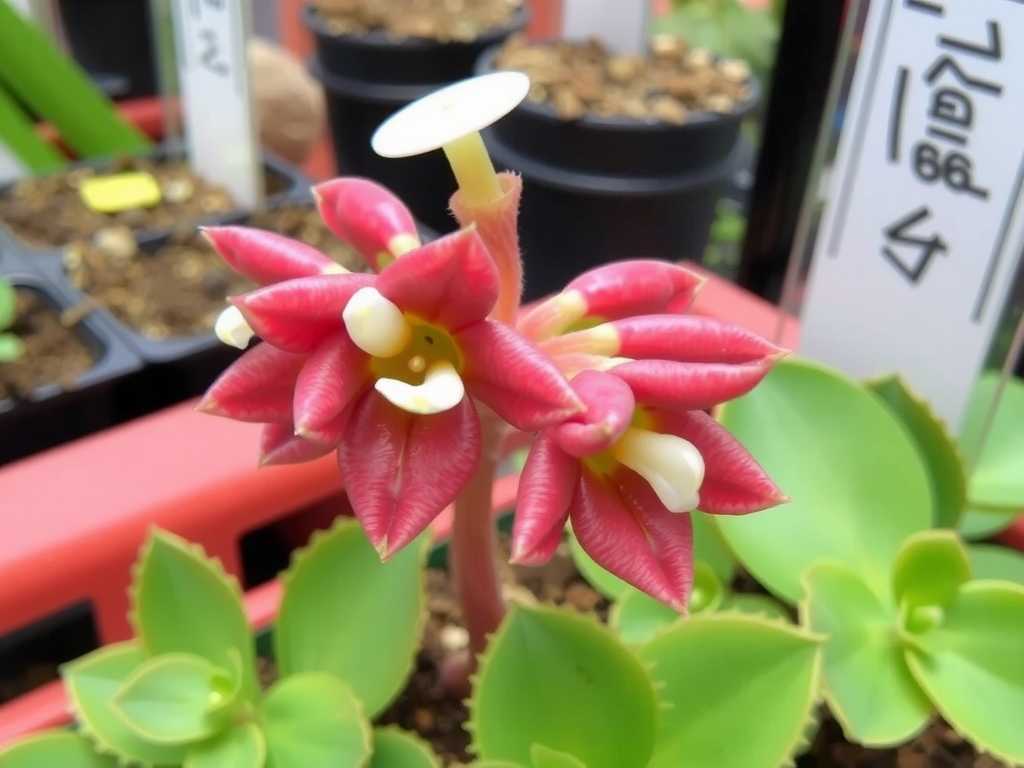
Pinguicula, commonly known as butterworts, are not shade-loving plants. In their natural habitats—often sunny, mossy rocks or well-drained meadows—they receive several hours of direct or very bright filtered light daily. Their succulent, carnivorous leaves are adapted to harness this energy. When deprived of sufficient light, they exhibit clear signs of distress: leaves become elongated, pale, and limp as they stretch weakly towards any light source. The plant loses its compact, rosette shape and may stop producing its characteristic sticky, dew-covered leaves used for catching prey.
The primary goal of caring for Pinguicula without grow lights is to provide an equivalent amount of energy using natural sunlight. This doesn't mean blasting them with the hottest afternoon sun all day, but rather finding a bright, consistent spot that mimics the dappled or direct light of their native environments. Success hinges on your ability to observe and utilize the light patterns within your own living space.
Choosing the Ideal Natural Light Location
The single most important factor for Pinguicula care without artificial lighting is window placement. Not all windows are created equal, and the direction they face determines the quality and intensity of light your plants will receive.
South-Facing Windows (Northern Hemisphere) This is often the premier location for Pinguicula. A south-facing window typically provides the longest duration of bright, direct sunlight throughout the day. For many butterwort species, especially Mexican and temperate varieties, this is ideal. However, during peak summer, the intensity through a south window can be extreme and may risk scorching the leaves. A simple sheer curtain can provide perfect diffusion, creating the bright, indirect light that Pinguicula adore.
East-Facing Windows An east-facing window offers gentle, direct morning sun followed by bright indirect light for the remainder of the day. This is an excellent, low-risk option. The morning light is strong enough to promote healthy growth and dew production without the heat stress of the afternoon. It’s a superb choice for beginners or for species that prefer slightly less intense light.
West-Facing Windows Similar to south windows, west-facing exposures deliver strong direct sunlight, but primarily in the hotter afternoon hours. This can be suitable, but careful monitoring for leaf burn is essential. Providing a buffer, like placing the plant a foot or two back from the window or using a light-filtering blind, can make this location work well.
North-Facing Windows These provide the lowest light levels, typically only bright indirect light without direct sun. For most Pinguicula, a north window alone is insufficient for robust, long-term health. It may only be suitable for a short period during the height of summer or if the window is exceptionally large and unobstructed.
Beyond direction, observe the actual light in the spot. A simple test is to look for a crisp, well-defined shadow of your hand on the plant’s location at midday. A faint, blurry shadow indicates low light, while a sharp shadow suggests direct or very bright indirect light—perfect for your butterwort.
Mastering Seasonal Care Adjustments
Caring for Pinguicula with natural light requires you to become attuned to the changing seasons. The sun's angle, intensity, and daily path shift dramatically throughout the year, and your care routine must adapt accordingly.
Spring and Summer: The Growth Season As days lengthen and the sun climbs higher, your Pinguicula will enter its active growth phase. This is when light needs are greatest. Your plant can handle and will crave more direct exposure. You may remove any light-diffusing curtains you used in winter. Rotate the pot a quarter turn weekly to ensure even growth and prevent the plant from leaning excessively toward the light. This is also the time when you’ll see vigorous leaf production and the emergence of flower stalks. As noted by carnivorous plant expert Dr. Barry Rice in his book Growing Carnivorous Plants, the flowering in Pinguicula is directly tied to receiving adequate light cues, which triggers the energy-intensive process of bloom development.
Autumn and Winter: The Rest Period For many Pinguicula, especially temperate species, this is a dormant or semi-dormant period. Daylight hours shorten, and the sun’s rays are weaker. While light requirements decrease during true dormancy (when the plant forms a tight, non-carnivorous bud called a hibernaculum), the pre- and post-dormancy phases still require good light. Place your plant in the brightest possible window during these dim months. A south-facing window becomes crucial. Since the sun is lower in the sky, the light is less intense, reducing the risk of burn. The goal is to provide as many hours of bright light as possible to sustain the plant until spring.
Complementary Care for a Sun-Powered Plant
Optimal light is the engine, but other care factors must align to support a Pinguicula thriving in natural light.
Watering Practices Always use distilled, reverse osmosis, or rainwater. Pinguicula are extremely sensitive to minerals found in tap water. The watering method depends on your potting medium. For the recommended soil mix of peat/perlite or vermiculite, the "tray method" is ideal: place the pot in a saucer and keep about 0.5 inches of water in it, allowing the medium to wick up moisture. Let the tray dry out for a day or two before refilling. This mimics the damp, well-drained conditions they love and supports the root health necessary to utilize all that sunlight.
Soil and Potting The right medium ensures healthy roots, which in turn support the plant’s overall energy system. A simple, inert mix is key. A 1:1 ratio of sphagnum peat moss to perlite or horticultural sand is standard. Avoid any potting soil, compost, or fertilizers, as these will harm the plant. A shallow, well-draining pot is better than a deep one, as Pinguicula have relatively shallow root systems.
Feeding and Nutrition Without grow lights, some worry about the plant's energy for trapping prey. Remember, sunlight is the primary energy source for photosynthesis; insects simply provide supplemental nutrients. In a sunny windowsill, your Pinguicula will likely catch small gnats and flies on its own. If no insects are present, you can occasionally place a tiny, dried bloodworm (fish food) or a fruit fly onto a leaf. The dew will digest it. This occasional feeding is enough and far safer than any liquid fertilizer, which is always to be avoided.
Humidity Considerations While Pinguicula appreciate some humidity, they are more tolerant of average home humidity levels than many other carnivorous plants, especially when grown in a mineral-free medium and watered correctly. The sticky mucilage on their leaves helps reduce water loss. A sunny bathroom window can be a great location, combining good light with higher humidity. For dry homes, grouping plants together or using a simple humidity tray (a shallow tray filled with pebbles and water) placed near the plants can be beneficial.
Can Pinguicula get too much sun from a window? Yes, they can. Signs of too much direct sun, especially through hot glass, include leaves turning a reddish, purple, or yellowish color (beyond natural sun-tinting), becoming crispy or scorched at the edges, or feeling excessively hard and withered. If you see these signs, diffuse the light with a sheer curtain or move the plant slightly away from the window.
What if my only windows don't provide enough light? If after testing you find your light is consistently too low (e.g., only a north-facing window), you have a few options. You can consider using a small, low-wattage LED grow light as a supplement for a few hours a day, which is different from a full grow-light setup. Alternatively, you could choose to grow your Pinguicula exclusively outdoors during the warmer months where light is abundant, bringing it inside before the first frost.
How do I know if my Pinguicula is happy with its light? A healthy, well-lit Pinguicula will have a compact, flat rosette form. The leaves will be firm, brightly colored (green, often with pink or red edges), and consistently coated with sticky, glistening dew. It will produce new leaves from the center regularly and, in season, send up one or more flower stalks. This overall vigorous appearance is the best indicator that your natural light care routine is successful.
Cultivating Pinguicula using only natural light is a rewarding practice that connects you more closely to the plant's natural rhythms. It requires observation and a willingness to adjust with the seasons, but the process is simple and deeply satisfying. By selecting the right window, understanding seasonal light shifts, and providing complementary care in watering and soil, you can maintain a thriving collection of butterworts. Their dewy leaves and beautiful flowers are a testament to the fact that sometimes, the most effective tool for plant care is already shining brightly outside your window.





