 bluename
 How to Care for Pinguicula: Quick Care Fixes
You’ve brought home a fascinating butterwort, lured by its delicate, jewel-like leaves and carnivorous appetite. But now, its vibrant rosette looks limp, its sticky dew is gone, and you’re worried. Is it dying? Caring for Pinguicula can seem like a mystery, especially when common houseplant advice leads to disaster. The good news is that with a few crucial adjustments, you can quickly turn things around. This guide provides direct, actionable fixes to solve the most common Pinguicula care problems, helping you restore your plant’s health and beauty.
Understanding Your Pinguicula’s Basic Needs
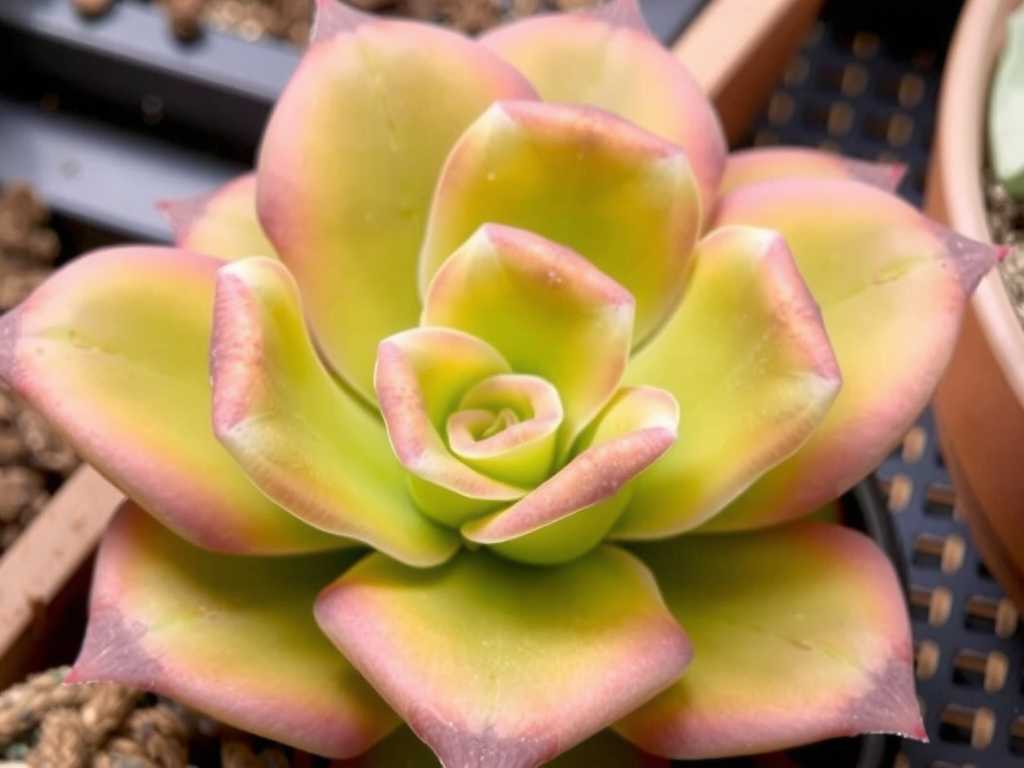
Before applying fixes, you must know what your plant requires. Pinguicula, or butterworts, are not typical plants. They are carnivorous, adapted to nutrient-poor environments. Their care revolves around mimicking these conditions: pure water, the right light, and specific soil. Getting these fundamentals wrong is the root of most issues. A quick diagnosis here saves endless trouble later.
The number one killer of carnivorous plants is mineral-rich water. Tap water, bottled water, and even filtered water often contain dissolved salts and minerals that will slowly poison your Pinguicula, burning its roots and causing decline.
The Instant Fix: Switch to Pure Water Immediately. Stop using your current water source. Your only safe options are:
- Distilled water
- Reverse osmosis (RO) water
- Rainwater collected in a clean container Water from below by placing the pot in a saucer and keeping about 0.5 inches of water in it during the growing season. For the winter succulent phase, let the soil just approach dryness before watering lightly. This single change can halt decline within days.
Light is the engine of your plant’s growth. Insufficient light leads to weak, elongated, pale leaves and a loss of its characteristic sticky dew. Without dew, it cannot catch prey and becomes even weaker.
The Quick Light Solution: Find the Bright Spot. Pinguicula thrive in very bright, indirect light. A south or east-facing windowsill is often perfect. If your plant is stretched and pale, move it to a brighter location immediately. If natural light is insufficient, consider a simple LED grow light placed 6-12 inches above the plant for 12-14 hours a day. You should see improved coloration and dew production within a week or two.
The wrong potting medium suffocates roots and introduces harmful nutrients. Standard potting soil, compost, or fertilizer will kill your Pinguicula.
The Fast Soil Fix: Repot if Necessary. If your plant is in the wrong medium, repotting is a urgent fix. Use a mix specifically for carnivorous plants:
- A simple, perfect blend is 1:1 peat moss and perlite.
- Ensure all components are unfertilized.
- Use a plastic pot with drainage holes. Gently rinse the roots in pure water to remove old soil before placing them in the new mix. This gives your plant a fresh, safe start.
Seasonal Care: The Dormancy Switch
Many beginners panic when their tropical Pinguicula enters its succulent phase or their temperate varieties need winter dormancy. This isn’t a problem—it’s a necessary cycle.
Tropical types (like Pinguicula moranensis) often form tighter, non-carnivorous succulent leaves in drier, cooler periods. Temperate types (like Pinguicula vulgaris) require a true cold dormancy.
The Dormancy Adjustment: Don’t Overwater. When you see your plant forming smaller, fleshier leaves:
- Reduce watering significantly. Keep the soil barely damp, not wet.
- You can reduce light slightly, but keep it in a bright location.
- Stop feeding it. It is not actively trapping insects. Resume normal care when you see it naturally begin producing larger, sticky carnivorous leaves again. For temperate plants, they need a cold period (near freezing, 35-45°F) for 3-4 months with reduced light and minimal moisture.
Feeding and Fertilization: A Delicate Balance
A common question is “How do I feed my butterwort?” The beauty is, if it has good light and dew, it feeds itself from gnats and other small insects. Overcomplicating this causes harm.
The Safe Feeding Fix: Less is More.
- Do not use liquid plant fertilizer on the soil or leaves.
- If grown indoors without access to insects, you can occasionally place a very small, dried bloodworm (fish food) or a fruit fly on a sticky leaf. One small feeding per leaf, once a month during active growth, is ample.
- The leaf will slowly curl around the food. This is normal. As expert and author of The Savage Garden, Peter D’Amato, notes: “The best fertilizer for a carnivorous plant is a happy gnat.” Focus on providing perfect growing conditions, and feeding largely takes care of itself.
Troubleshooting Common Pinguicula Problems
Here are direct fixes for specific issues you might see.
Problem: Leaves are turning brown or black.
- Likely Cause: Overwatering, especially during the succulent phase, or water with minerals.
- Fix: Check your water source first. Then, allow the soil to dry out more between waterings. Remove severely blackened leaves with sterile tweezers.
Problem: The plant has no sticky dew on its leaves.
- Likely Cause #1: Insufficient light. This is the most common reason.
- Fix: Increase light intensity or duration immediately.
- Likely Cause #2: Humidity is too low, or leaves are dirty.
- Fix: Increase local humidity by placing the pot on a humidity tray. Avoid misting, which can wash dew away. Gently rinse leaves with pure water if dusty, and dew should regrow.
Problem: The center of the rosette is rotting.
- Likely Cause: Crown rot from water sitting in the crown, often combined with poor air circulation.
- Fix: Always water from below into the saucer. Increase air flow with a gentle fan. If rot has set in, you may need to remove healthy outer leaves for propagation, as the main plant may be lost.
Problem: Leaves are long, thin, and stretched out (etiolated).
- Likely Cause: Definitely insufficient light.
- Fix: Relocate to a much brighter spot or add a grow light. The new growth will be compact, but the old, stretched leaves will remain.
Propagation: Your Safety Net
Propagation is the ultimate “fix” for saving a plant or expanding your collection. Pinguicula are wonderfully easy to propagate, giving you peace of mind.
The Quick Propagation Method: Leaf Pullings. In the active growing season, gently pull a healthy outer leaf from the base. Lay it, sticky side up, on damp sphagnum moss or peat/perlite mix. Place it under bright light and keep the medium moist. In a few weeks, tiny plantlets will form at the leaf base. This method, as documented in studies from the International Carnivorous Plant Society, has a very high success rate and is perfect for beginners.
Why are the leaves on my Pinguicula not sticky? This is almost always a light issue. Your plant is not receiving enough bright, indirect sunlight or adequate artificial light. Increase the light intensity and duration, ensure you are using pure water, and the dew should return on new growth.
Can I use tap water if I let it sit out for a day? No. Letting water sit only evaporates chlorine, not the dissolved minerals (like calcium and magnesium) that are harmful to Pinguicula. These minerals remain concentrated in the water. You must use distilled, reverse osmosis, or rainwater for long-term health.
How often should I really water my butterwort? Forget a fixed schedule. The reliable method is the tray method: keep the pot sitting in about 0.5 inches of pure water during its active carnivorous growth phase. Refill the tray as it dries out. During its winter succulent phase, take the pot out of the tray and only water lightly to prevent the soil from going bone dry.
Caring for Pinguicula successfully hinges on respecting its unique nature. By swiftly correcting the core elements—pure water, bright light, and appropriate soil—you address over 90% of common problems. Observe your plant closely, adjust for its seasonal rhythms, and resist the urge to over-care. With these quick fixes in hand, you can move from worry to confidence, enjoying the remarkable sight of a healthy, dewy butterwort thriving in your care.





