 bluename
 How to Care for Pinguicula with Filtered Water: The Ultimate Guide
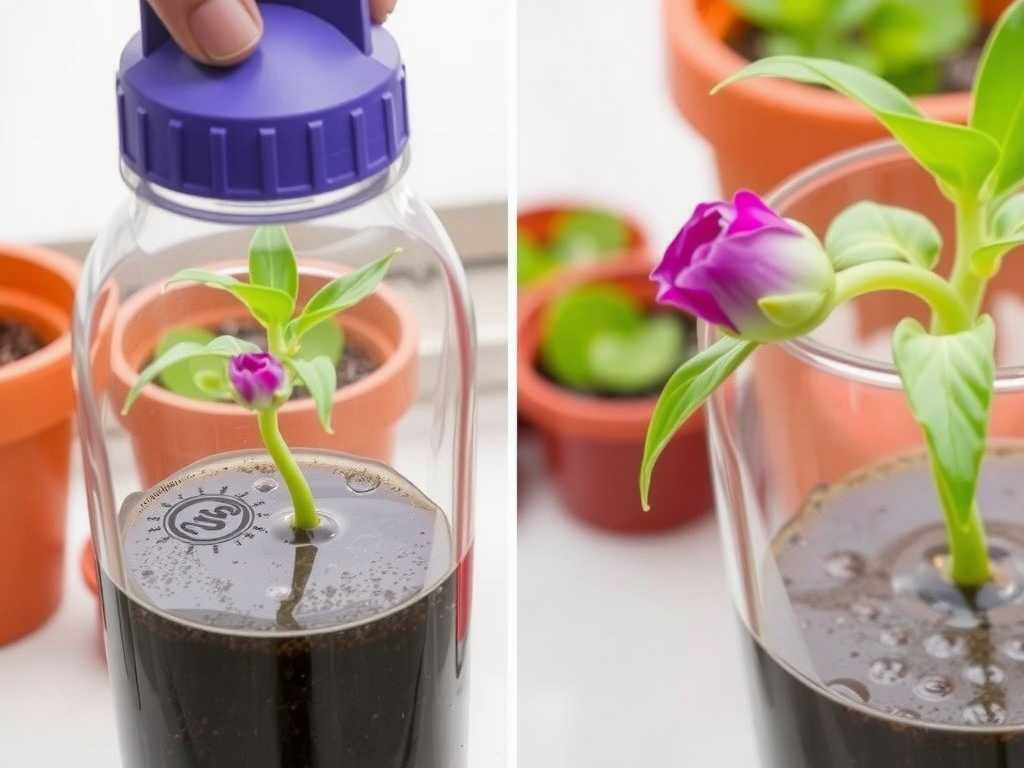
You’ve lovingly placed your Pinguicula, or butterwort, on a sunny windowsill, ready to watch it thrive. But instead of vibrant, dewy leaves, you notice browning edges, stunted growth, or a mysterious white crust on the soil. The culprit is often hiding in plain sight: your tap water. For these fascinating carnivorous plants, water quality isn't just a detail—it's the foundation of their health. This guide will walk you through exactly how to care for Pinguicula with filtered water, transforming your watering routine from a source of stress into a simple, effective practice.
Why Your Pinguicula Hates Tap Water
To understand the solution, you must first grasp the problem. Pinguicula are native to nutrient-poor environments like bogs and rocky outcrops. They have evolved to extract the minimal nutrients they need from insects caught on their sticky leaves. Their root systems are highly sensitive to dissolved minerals and chemicals commonly found in tap water.
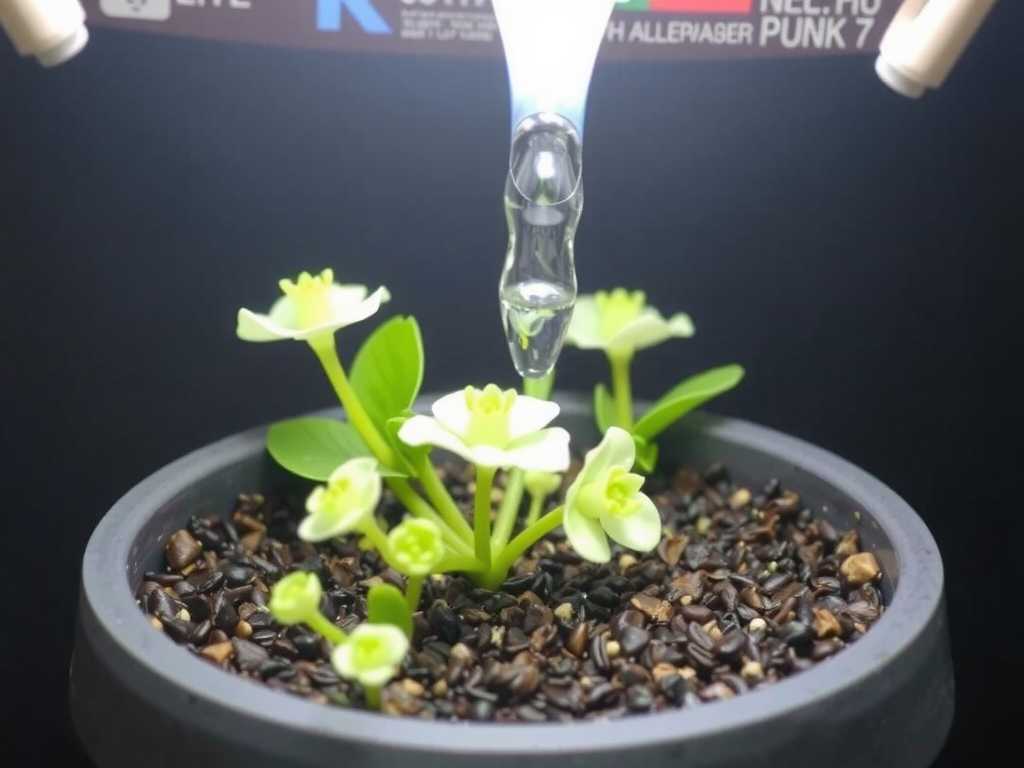
Tap water typically contains salts, chlorine, chloramines, and fluorides. When you water your butterwort with it, these minerals accumulate in the growing medium over time. This buildup creates a toxic, salty environment that "burns" the delicate roots, preventing them from absorbing water effectively—a condition akin to drought, even if the soil is wet. This leads to the classic symptoms of distress: leaf tip burn, poor coloration, and a complete halt in growth.
The Filtered Water Advantage: More Than Just H2O
Using filtered water is not a quirky preference; it’s a non-negotiable for long-term Pinguicula health. The goal is to use water with a low Total Dissolved Solids (TDS) reading, ideally below 50 parts per million (ppm). Filtered water achieves this by removing or significantly reducing the harmful elements.
Proper hydration with clean water allows your Pinguicula to:
- Develop a robust root system for stable growth.
- Produce plentiful, sticky mucilage on its leaves for effective insect trapping.
- Transition smoothly between its seasonal growth phases (succulent winter dormancy and carnivorous summer growth).
- Avoid the stress that makes plants susceptible to pests and diseases.
Experts like those at the International Carnivorous Plant Society (ICPS) consistently rank water quality as the number one factor in successful carnivorous plant cultivation. It’s the single most impactful change you can make.
Choosing the Right Filtered Water for Your Butterwort
Not all filtered water is created equal. Here’s a breakdown of your best options, from ideal to acceptable.
1. Reverse Osmosis (RO) Water: The Gold Standard Reverse osmosis systems force water through a semi-permeable membrane, removing up to 99% of dissolved solids. RO water typically has a TDS of 0-10 ppm, making it perfect for Pinguicula. You can install an under-sink unit or purchase it from grocery store filling stations (often labeled "Purified Drinking Water"). It is the most reliable and cost-effective method for serious collectors.
2. Distilled Water: A Tried-and-True Method Distilled water is created by boiling water into vapor and condensing it back into liquid, leaving impurities behind. Like RO water, its TDS is effectively zero. It’s widely available in jugs at supermarkets. While perfect for your plants, the cost and plastic waste can add up if you have a large collection.
3. High-Quality Pitcher Filters: A Practical Compromise For growers with one or a few plants, a premium water filter pitcher (like those from ZeroWater) can be a good solution. These pitchers use multi-stage filtration, including ion-exchange resins, to drastically reduce TDS. The key is to regularly test the output with a TDS meter to ensure it stays below 50 ppm, as the filter cartridge becomes saturated over time.
Water Sources to Absolutely Avoid:
- Spring or Mineral Water: The "minerals" are precisely what harm your plant.
- Softened Water: Water softeners replace calcium with sodium, which is even more toxic to plants.
- Unfiltered Tap or Well Water: Unless you have verified an exceptionally low TDS, the risk is too high.
A Step-by-Step Guide to Watering Pinguicula with Filtered Water
Now, let’s put this knowledge into action. Here is your practical routine for maintaining Pinguicula health through proper watering.
Step 1: The Setup – Tray Watering Method Butterworts prefer consistent, slight moisture. The most effective technique is the tray method.
- Plant your Pinguicula in a pot with ample drainage holes.
- Place the pot in a shallow saucer or tray.
- Pour your chosen filtered water into the tray, filling it to about 0.5 to 1 inch deep.
- Allow the plant to absorb water from the bottom up. This keeps the surface relatively dry, discouraging fungus gnats and crown rot.
Step 2: The Watering Rhythm
- During Active Growth (Spring-Fall): Keep the tray consistently filled. Refill it once the water has been fully absorbed and the tray is dry. The growing medium should feel like a damp sponge, never soggy or bone dry.
- During Winter Dormancy (for temperate species): Your plant will form a tight, non-carnivorous bud. Reduce watering significantly. Only keep the substrate barely moist, not wet. A light top-watering with filtered water every few weeks is usually sufficient.
Step 3: The Annual Flush – A Critical Task Even with filtered water, minimal mineral residue can accumulate. Once or twice a year, preferably at the start of the growing season, perform a thorough flush.
- Take your plant to the sink and use a generous amount of filtered water to water from the top, allowing it to flow freely out of the drainage holes for a minute or two.
- This leaches out any residual salts from the soil. After flushing, return the plant to its tray with fresh filtered water.
Troubleshooting Common Water-Related Issues
White Crust on Soil or Pot Rim: This is a clear sign of mineral buildup. Repot the plant into fresh carnivorous plant soil and immediately switch to a purer water source (RO or distilled). Leaves are Shriveling or Browning: Likely root damage from mineral toxicity. Check your water source with a TDS meter. If the roots are black and mushy, take leaf pullings to propagate as a backup. Plant is Limp but Soil is Wet: Classic root rot from either contaminated water or poor drainage. Unpot, inspect roots, and repot in airy media. Ensure you are using the tray method correctly.
What about rainwater? Rainwater is excellent if you live in an area with clean air. Collect it in non-metallic containers. However, in urban or industrial areas, it can pick up pollutants, so filtered water is often a safer bet.
Do I need to feed my Pinguicula if I use filtered water? Yes! Clean water prevents harm, but it doesn't provide food. Your butterwort still gets nutrients from insects. If grown indoors, you can occasionally place small, dried bloodworms or fruit flies on its leaves every 3-4 weeks during active growth.
Can I use filtered water for all my carnivorous plants? Absolutely. The benefits of filtered water for carnivorous plants like Venus flytraps, sundews, and Sarracenia are identical. Adopting this practice for your entire collection simplifies care and ensures universal health.
Mastering the use of filtered water is the cornerstone of cultivating spectacular Pinguicula. By understanding the "why" and implementing the "how," you eliminate the primary barrier to their success. It transforms care from guesswork into a confident routine. Invest in the right water, follow the simple tray method, and watch as your butterwort responds with vigorous growth, dazzling colors, and a display of natural insect-trapping prowess that is truly rewarding. Your patience and attention to this crucial detail will be reflected in the thriving beauty of your plant for years to come.





