 bluename
 How to Care for Pinguicula: Long-Term Solutions for a Thriving Plant
You've brought home a fascinating Pinguicula, or butterwort, captivated by its glistening, sticky leaves and unique insect-eating habits. Initially, it seems to thrive, but over weeks or months, problems creep in. The leaves may lose their dew, the plant stops producing its charming flowers, or worse, it begins to rot at the base. This common frustration stems from treating it like a typical houseplant. The truth is, achieving long-term success with Pinguicula requires understanding and replicating its specific natural habitat. This guide provides the long-term solutions for Pinguicula care you need to move beyond basic survival and help your plant truly flourish for years.
Understanding the Pinguicula Life Cycle: The Key to Long-Term Care
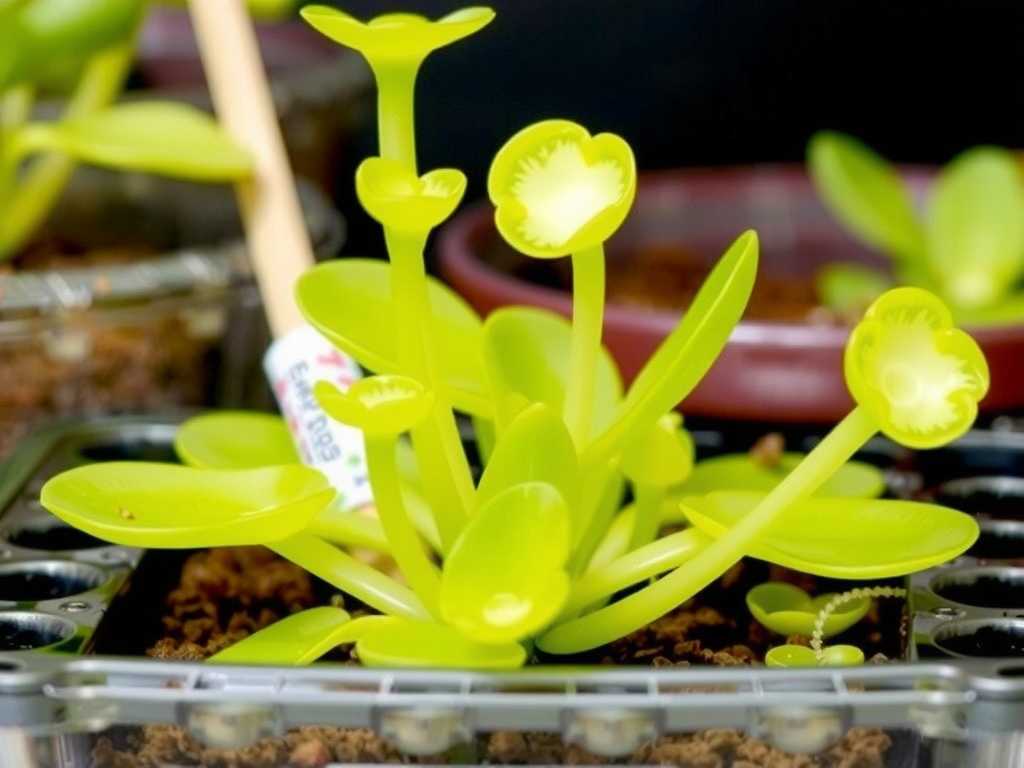
The most critical concept for maintaining healthy Pinguicula plants is their distinct seasonal cycle. Most temperate and tropical Pinguicula transition between two growth phases: a carnivorous "summer" phase and a non-carnivorous "winter" phase, often called a succulent phase or hibernaculum. Failure to recognize and accommodate this cycle is the leading cause of long-term failure.
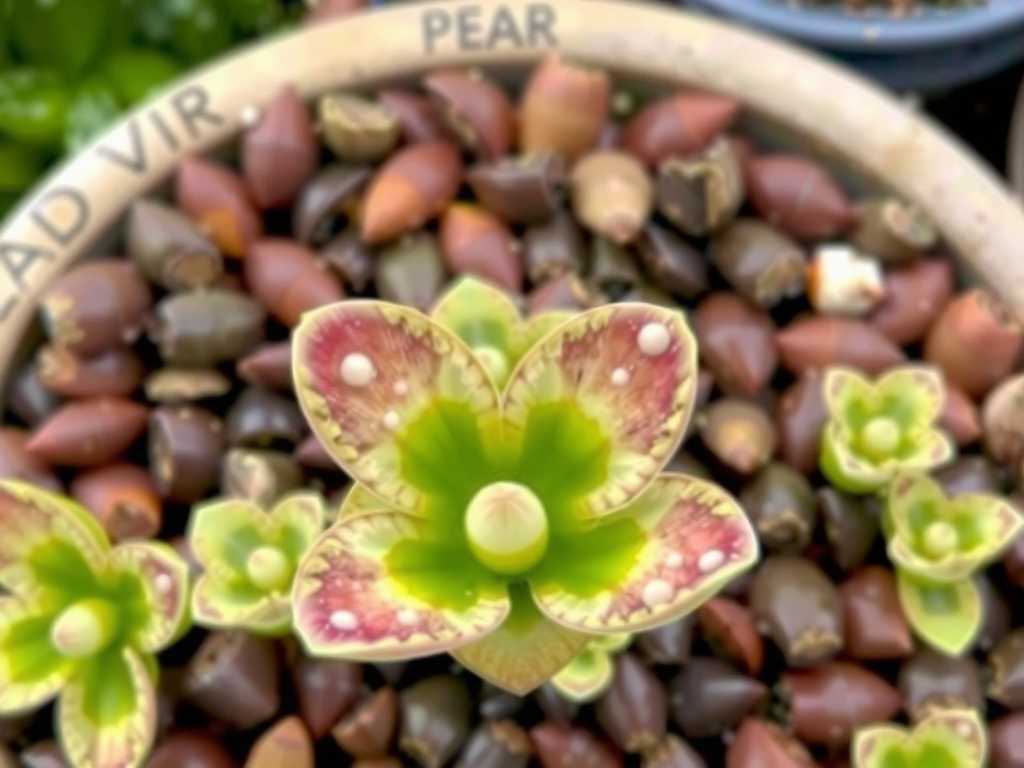
During the warm, bright summer phase, your Pinguicula produces flat, sticky carnivorous leaves to catch prey. As daylight decreases and temperatures cool, it will stop producing these leaves. Instead, it forms a tight, succulent rosette of small, non-sticky leaves. This is a rest period, not a sign of dying. Attempting to force vigorous growth or high humidity during this dormancy can lead to rot.
Providing the Perfect Foundation: Soil, Water, and Pot
The right foundation prevents a multitude of future problems. Pinguicula are prone to root rot in standard, organic-rich potting soil.
- The Ideal Soil Mix: They require an inorganic, well-draining, and airy medium. A proven long-term mix is a 1:1 ratio of perlite and peat moss or silica sand. Some expert growers, like those at the International Carnivorous Plant Society, recommend a grittier mix of 50% perlite, 30% vermiculite, and 20% peat for excellent aeration. The goal is a neutral to slightly acidic medium that holds minimal moisture around the crown.
- Watering for Longevity: Always use distilled water, rainwater, or reverse osmosis water. Tap water contains minerals that will quickly build up and burn the roots. The best long-term Pinguicula watering strategy is the "tray method." Place your pot in a shallow saucer and keep about 0.5 inches of water in it during the active growing season. Allow the tray to dry out completely for a day or two before refilling. During the winter succulent phase, drastically reduce watering. Simply keep the soil barely damp to the touch, never soggy.
- Pot Selection: Shallow pots or orchid pots with ample side drainage are superior to deep pots. Terracotta pots can wick away excess moisture, reducing rot risk. Ensure there is always a drainage hole.
Mastering Light and Temperature for Year-Round Health
Light is the engine of growth. Insufficient light results in weak, etiolated plants that lose their dew.
- Light Requirements: Provide very bright, indirect light. An east or west-facing window is often ideal. A south-facing window may require some diffusion to prevent leaf scorch. For guaranteed results, especially in winter, use artificial grow lights. LED or fluorescent lights placed 6-12 inches above the plant for 12-14 hours a day will produce robust, colorful, and dewy leaves. As horticulturist Dr. Barry Rice notes in Growing Carnivorous Plants, "Strong light is not just beneficial; it is mandatory for good coloration and trap function."
- Temperature Cycles: Align temperatures with the growth cycle. During the active phase, aim for 70-85°F (21-29°C) during the day with a slight drop at night. To trigger and maintain the winter succulent phase, provide a cooler period of 40-60°F (5-15°C) for several weeks. This rest period is crucial for the plant's long-term vigor and flowering potential.
Nutrition: To Feed or Not to Feed?
A common worry is how to "feed" a carnivorous plant. In the long term, the best approach is often passive.
- Natural Prey: If grown outdoors or in a greenhouse, the plant will catch small insects like gnats and springtails on its own. This is the ideal, slow-release nutrient source.
- Indoor Supplementation: If grown indoors without access to bugs, you can occasionally supplement. The safest method is to sprinkle a few dried bloodworms (fish food) or a single fruit fly onto a leaf every 2-4 weeks during active growth. The leaf will digest it. Never use fertilizer in the soil, as it will burn the roots and likely kill the plant. The plant's primary energy source is always light, not insects.
Seasonal Adjustments and Dormancy Management
This is where long-term Pinguicula care truly separates from short-term keeping. When you notice your plant forming smaller, tighter leaves in late autumn:
- Gradually reduce watering as described.
- Move it to a cooler location if possible.
- Reduce photoperiod under grow lights to 8-10 hours.
- Leave the succulent rosette alone. It may look different, but it is healthy. Do not try to pull leaves off.
- In early spring, as daylight increases, gradually return to warmer temperatures, longer light periods, and resume the tray watering method. New carnivorous leaves will emerge from the center.
Propagation for a Lasting Collection
A truly healthy Pinguicula will naturally provide you with ways to propagate, securing your collection long-term.
- Leaf Pullings: In the active season, you can gently pull a healthy leaf from the base. Lay it on damp sphagnum moss. Plantlets will form at the base.
- Pinguicula Offsets: Many species produce "pups" or offshoots. These can be carefully separated during repotting and potted individually.
- Flower Stalk Propagation: After the flower fades, sometimes small plantlets form on the stalk if placed in contact with moist media.
Troubleshooting Common Long-Term Issues
- Lack of Dew: Almost always caused by insufficient light, low humidity, or mineral-laden water. Address light first.
- Root or Crown Rot: Caused by chronic overwatering, especially during dormancy, or organic-rich soil. Unpot the plant, remove any black/mushy material with sterile tools, and repot in fresh, dry medium. Water very sparingly until new growth appears.
- Leggy Growth: A clear sign of insufficient light. Move to a brighter location or introduce a grow light.
Frequently Asked Questions
My Pinguicula's leaves are turning brown at the tips. What's wrong? This is often a sign of mineral burn from hard water. Immediately switch to distilled, rainwater, or reverse osmosis water. Trim the brown tips if desired, but the real fix is changing your water source.
Do I need to repot my Pinguicula, and how often? Yes, repotting every 1-2 years in fresh soil is recommended to prevent mineral buildup and refresh the drainage of the medium. The best time is at the very end of dormancy, just as new carnivorous growth begins.
Can I grow different types of Pinguicula together? It's best to group species with similar needs, particularly the same dormancy requirements (e.g., temperate types together, tropical types together). Mixing a temperate species that needs a cold winter with a tropical species that doesn't will lead to one plant struggling.
Caring for Pinguicula over the long term is a rewarding practice that deepens your connection to these remarkable plants. Success hinges on respecting their natural rhythms—providing intense light, mineral-free water, a barren soil mix, and, most importantly, a distinct winter rest period. By observing your plant and adjusting your care with the seasons, you'll be rewarded not just with a survivor, but with a thriving, dewy, and flowering specimen that showcases the unique beauty of the carnivorous world for many years to come.





