 bluename
 How to Care for Pinguicula: Nursery Care vs Home Care
You've just brought home a stunning Pinguicula, or butterwort, its leaves glistening with sticky dew. It thrived at the nursery, but now, in your care, it seems less vibrant. This common frustration stems from a gap between the optimized conditions of a professional nursery and the typical home environment. Understanding the differences between nursery care and home care is the key to unlocking long-term success with these fascinating carnivorous plants. This guide will bridge that gap, translating professional horticultural practices into actionable steps for your windowsill or terrarium.
The Secret Life in the Nursery: Controlled Perfection
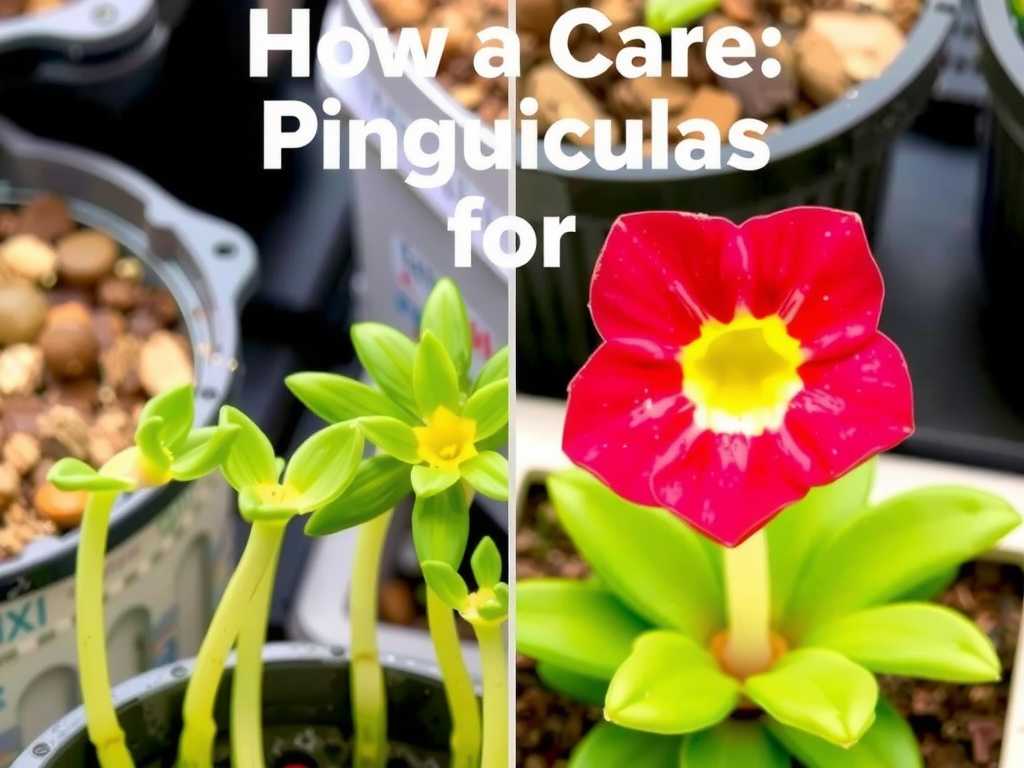
Professional growers create what is essentially a "butterwort paradise." This controlled environment is the gold standard, designed for maximum growth and health. By understanding these principles, you can adapt them for your home.
Precision-Grown Microclimates Nurseries don't just provide light and water; they engineer entire climates. Advanced greenhouse systems manage every factor:
- Light: They use full-spectrum LED or high-output fluorescent lights on precise timers, delivering 12-14 hours of intense, consistent light daily, far surpassing most indoor window light.
- Water & Humidity: Reverse osmosis (RO) or distilled water is delivered via automated misting or sub-irrigation systems. Humidity is constantly monitored and maintained at a high 60-80%, often with industrial-grade humidifiers.
- Temperature: Climate control systems maintain ideal day/night temperature differentials, crucial for triggering growth phases and flowering.
- Airflow: Constant, gentle air circulation from fans strengthens plants and prevents fungal diseases, a detail often overlooked at home.
The Propagation Advantage Nurseries propagate Pinguicula on a massive scale using tissue culture (in vitro) and leaf pullings. This means the plant you buy is often very young, grown in a sterile, nutrient-rich gel before being acclimated to soil. They start life in near-perfect conditions, free from pests and pathogens. As horticulturist Dr. Marcus Jones notes, "Tissue-cultured Pinguicula have a vigorous, uniform start, but they require a careful transition, or 'hardening off,' to less controlled environments."
Substrate Science: More Than Just Potting Mix The soil mix in nursery pots is a carefully calibrated recipe. While recipes vary, a common professional blend includes:
- Peat Moss or Coconut Coir: Provides acidity and moisture retention.
- Perlite/Pumice: Ensures critical aeration and prevents compaction.
- Horticultural Sand or Silica Sand: Adds weight and drainage.
- Vermiculite (sometimes): Used sparingly for moisture control in certain mixes. This blend is consistently mixed and often kept slightly more moisture-retentive to support rapid growth in high-humidity greenhouses.
Transitioning to Home Care: Your Adaptation Strategy
Your home is not a greenhouse, and that's okay. Success lies in strategically replicating the core needs of the nursery environment, not the industrial equipment.
Mastering the Light Equation This is the most common home care challenge. A north-facing window is rarely enough.
- The Goal: 12-14 hours of bright, indirect light. A south or east-facing windowsill is ideal in many regions. Observe your plant: pale, stretched leaves signal insufficient light.
- The Solution: Don't hesitate to use artificial lights. A simple, affordable LED grow light placed 6-12 inches above the plant for 12-14 hours a day can perfectly substitute for a greenhouse system. It ensures consistent, high-quality light year-round, mimicking the nursery's most critical advantage.
Watering: Quality and Technique Are Everything Forget tap water. Its minerals will slowly poison your Pinguicula, causing leaf burn and death.
- Water Quality: Use only rainwater, distilled water, or reverse osmosis water. This is non-negotiable and the single most important home care tip.
- The Tray Method: The most effective technique. Place your pot in a shallow saucer or tray and keep it filled with about 1/4 to 1/2 inch of pure water. Allow the tray to dry out for a day before refilling. This mimics the constant, low-level moisture of a nursery's sub-irrigation system.
- Humidity Hacks: While you can't maintain 80% humidity at home, you can create a microclimate. Place your Pinguicula on a humidity tray (a tray filled with pebbles and water) or group it with other plants. A cloche or a small terrarium is excellent for moisture-loving species.
The Right Pot and Soil Mix Repotting from the nursery pot is often necessary after a year. Use a shallow pot with excellent drainage holes.
- Home Mix Formula: A simple, effective mix is 50% peat moss and 50% perlite. You can add a small amount of silica sand for extra drainage. Avoid standard potting soil or fertilizers at all costs.
- Why It Works: This lean, acidic, and airy mix prevents root rot, which is the biggest killer of carnivorous plants in home care settings. It compensates for typically lower light and air circulation compared to a nursery.
Seasonal Rhythms: The Key to Longevity Nurseries often manipulate seasons with lights and temperature controls. At home, you must work with natural cycles, especially for temperate Pinguicula that form a winter "hibernaculum" (tight, succulent bud).
- Summer (Growth): Keep soil moist, provide maximum light.
- Autumn/Winter (Dormancy): For temperate types, reduce watering significantly, just keeping the soil barely damp. Move to a cooler location (40-55°F). They will lose their carnivorous leaves. This rest is vital for their health.
- Spring (Awakening): Gradually increase water and light as new growth appears.
Nursery Care vs. Home Care: A Quick-Reference Table
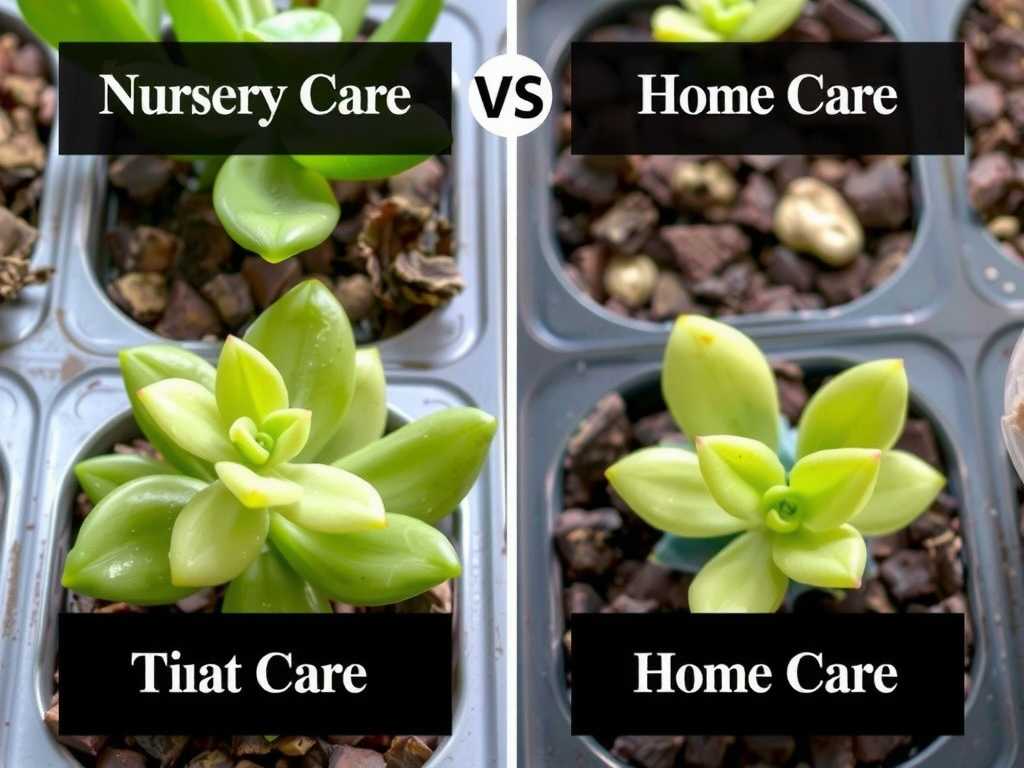
| Aspect | Nursery/Greenhouse Care | Adapted Home Care Strategy |
|---|---|---|
| Light | High-intensity, timed grow lights for 14+ hrs. | South/East window OR affordable LED grow light for 12-14 hrs. |
| Water | Automated with RO/distilled water; high humidity. | Tray method with distilled/rainwater; use humidity trays. |
| Substrate | Professionally blended, consistent mixes. | Simple 50:50 peat:perlite mix in a shallow, drained pot. |
| Climate | Temperature & humidity precisely controlled. | Group plants, use terrariums for humidity; accept natural temp shifts. |
| Feeding | Often unnecessary; plants catch gnats in air. | No fertilizer. Let it catch small insects naturally. If indoors, occasionally feed a tiny dried bloodworm. |
How often should I water my Pinguicula at home? Use the tray method. Keep about 1/2 inch of distilled/rainwater in the saucer during the active growing season. Let it dry out completely for a day before refilling. In winter, for dormant types, reduce watering to just keeping the soil barely damp to the touch.
Why are the leaves on my butterwort turning brown? Brown, crispy leaves usually indicate water stress—either using mineral-rich tap water or allowing the plant to dry out completely. Brown, mushy leaves suggest root rot from poor drainage or overly soggy soil. Always use pure water and ensure your pot and soil mix drain exceptionally well.
Do I need to feed my Pinguicula if it lives indoors? If your plant is outdoors or in a fly-prone area, it will catch plenty on its own. Indoors, it may benefit from supplemental feeding. You can place small, dead insects on its leaves or use rehydrated fish food or bloodworms (used for aquarium fish) once a month during growth. Never use fertilizer in the soil.
Caring for Pinguicula is a rewarding practice of observation and subtle adjustment. The goal is not to replicate a commercial greenhouse, but to understand the principles behind that optimal environment—intense light, pure water, airy soil, and seasonal awareness—and apply them within the context of your home. By bridging the gap between nursery care and home care, you move from simply keeping a plant alive to fostering its true, dewy, insect-catching glory. Start with perfect water and the right light, and your butterwort will thrive for years to come.





