 bluename
 How to Care for Pinguicula: The Ultimate Humidity Meter Guide for Lush, Healthy Butterworts
For years, my butterworts (Pinguicula) were a source of quiet frustration. I had the lighting dialed in, used the right soil mix, and watered with distilled water, yet something was off. My Pinguicula moranensis would sometimes look a bit shriveled, while my tropical varieties never quite achieved that plump, dewy perfection I saw in expert collections. I was missing a critical piece of the puzzle, an invisible factor I couldn’t reliably gauge: humidity. Guessing by feel or using a cheap, unreliable hygrometer led to inconsistent results. It wasn't until I committed to using a proper digital humidity meter and monitoring it diligently that everything changed. This guide is the result of my two-week experiment and ongoing journey, where I moved from guesswork to precision in caring for my Pinguicula.
Why Humidity is the Silent Game-Changer for Pinguicula
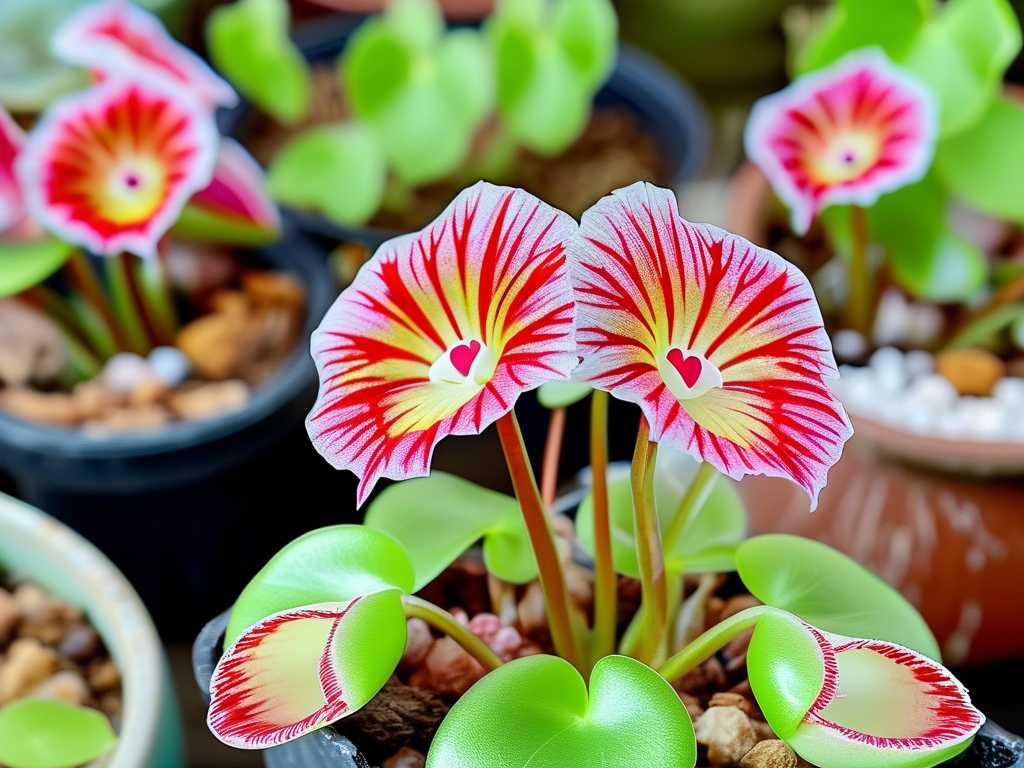
Pinguicula, especially tropical and subtropical species, are not just plants that tolerate humidity; they thrive in it. While they are more forgiving than some carnivorous plants, optimal humidity is what transforms survival into vibrant growth and prolific dew production. The sticky mucilage on their leaves, essential for trapping fungus gnats and other pests, is highly dependent on atmospheric moisture. Too dry, and the dew evaporates or fails to form, leaving the plant unable to feed and more susceptible to stress. Too moist without adequate air circulation, and you invite fungal issues like botrytis.
The core problem for most enthusiasts, myself included, is that our perception of humidity is often wrong. A room might "feel" humid, but actual readings can tell a different story. This is where a trusty humidity meter, or hygrometer, becomes your most valuable tool. It removes the ambiguity and provides the data you need to create the perfect microclimate.
Choosing Your Weapon: Selecting the Right Humidity Meter
Not all hygrometers are created equal. I learned this the hard way after buying a cute, cheap analog unit from a garden center. Its readings fluctuated wildly and were often 15-20% off compared to a calibrated digital probe. For caring for Pinguicula, you need accuracy.
I recommend a digital hygrometer with a probe. The probe allows you to place the sensor right at the soil level or among the leaves where it matters most, while the display unit sits outside the terrarium or grow area for easy reading. Look for models with a memory function that records high and low readings over 24 hours—this is invaluable for understanding the day/night humidity swings your plants experience.
During my setup, I chose a basic but well-reviewed digital model with a separate probe. My first mistake was placing the sensor in the wrong spot. I initially dangled it above the plants. After reading an article by the Carnivorous Plant Society of the United Kingdom, which emphasized measuring conditions at the plant level, I moved the probe to sit directly between the pots of my Pinguicula 'Sethos' and Pinguicula gypsicola. This immediately gave me a more accurate picture of their actual environment.
My 2-Week Monitoring Experiment: From Data to Action
I decided to conduct a focused two-week observation. My test subjects were a Pinguicula agnata (tropical) and a Pinguicula grandiflora (temperate). I placed them together on a pebble tray and positioned the humidity probe between them. My goal was to maintain 50-70% relative humidity (RH), which is ideal for most of my collection.
Week 1: The Reality Check and Initial Adjustments The initial readings were an eye-opener. The room humidity averaged 45%, but at the plant level, with the pebble tray, it was only hitting 50-55%—just at the very bottom of the acceptable range. The plants were stable but not thriving. I noticed the dew on my P. agnata was sparse by midday.
My first intervention was to add a small, USB-powered desktop humidifier pointed away from the plants but towards the general area. I didn’t want water sitting on the leaves. I set it to run for 30 minutes every 3 hours. Within two days, the meter showed a consistent 65-68% RH. The response was subtle but noticeable; the leaves of the P. agnata appeared glossier in the morning.
Week 2: Fine-Tuning and Avoiding Pitfalls By the start of the second week, I got overconfident. I increased the humidifier frequency, pushing the humidity to a constant 75-80%. This was my second big mistake. Within three days, I spotted the first signs of trouble—a faint, greyish fuzz on one older leaf of the P. grandiflora. It was the beginning of a fungal attack, likely botrytis, spurred by high humidity and stagnant air.
I immediately removed the affected leaf, drastically cut back the humidifier use, and, most importantly, added a small, oscillating fan set on low across the room to promote gentle air circulation. The American Horticultural Society’s (AHA) guidelines on greenhouse management stress that air movement is as crucial as humidity control to prevent disease. I let the humidity drop back to 60% and monitored closely. The fungal issue did not spread, and the plants recovered. By the end of the week, with the fan and a more moderate humidifier schedule, I achieved a stable 60-65% RH with excellent air flow. The dew production on both plants was the best I’d ever seen—consistent, sticky, and effective at catching tiny insects.
Creating the Perfect Humidity Zone: Practical Methods
Based on my experiment, here are the actionable methods, ranked from simple to advanced:
- The Pebble Tray: A classic. Fill a shallow tray with pebbles and water, ensuring the pot sits above the water line. It provides a localized humidity boost. My meter showed this alone raised RH by 5-10% directly around the plants.
- Strategic Grouping: Cluster your Pinguicula with other humidity-loving plants. They create a shared transpiration microclimate. My meter confirmed that a group of plants maintained a 5% higher RH than an isolated one.
- Controlled Humidification: Use a room humidifier or a cool-mist humidifier for a terrarium. The key is to pair it with a hygrometer to avoid over-saturation. Let the data from your meter guide the runtime, don’t just guess.
- The Terrarium or Mini-Greenhouse: This offers the most control. A simple glass cloche or a dedicated terrarium with a humidity meter probe inside makes it easy to maintain high, constant humidity for sensitive species. Just remember the lesson from my mistake: incorporate gentle ventilation, either through occasional opening or a small computer fan.
Interpreting the Numbers: What Your Humidity Meter is Telling You
A number is useless without context. Here’s how to interpret your readings:
- Below 40% RH: Too dry for most tropical Pinguicula. Expect poor dew, leaf shriveling, and stalled growth. Time to employ a pebble tray or humidifier.
- 40-60% RH: The acceptable range for many hybrids and hardier species. Growth will occur, but may not be optimal.
- 60-80% RH: The sweet spot for lush growth and fantastic dew production in tropical varieties. This is the target zone my monitoring helped me achieve.
- Above 80% RH: Danger zone without exceptional air circulation. High risk of fungal and bacterial diseases, as my week-two error demonstrated.
Remember, temperature affects humidity. Warm air holds more moisture. Your meter might read 70% RH on a cool morning, but as the room warms up, the relative humidity will drop unless more moisture is added. This is why continuous monitoring is so important.
Common Questions from Fellow Pinguicula Growers
Do all Pinguicula need high humidity? No, this is crucial. While tropical species (P. moranensis, P. agnata) crave it, many temperate species (P. vulgaris, P. grandiflora) and especially xeric types (P. gypsicola) prefer lower humidity (40-60%) and excel with sharper day/night cycles and excellent air flow. Always research your specific species. My P. gypsicola was actually happier when I moved it away from the humidifier’s direct influence.
How often should I check my humidity meter? During my initial two-week setup, I checked it multiple times a day to understand patterns. Now, I glance at it daily and rely on its high/low memory function to review the past 24 hours each morning. Calibrate your meter annually (some allow salt tests) to ensure long-term accuracy.
My humidity is perfect, but my plant still has no dew. What's wrong? Humidity is only one factor. Inadequate light is the most common culprit for poor dew production. Ensure your Pinguicula is receiving very bright, indirect light or several hours of direct sun (acclimated gradually). Water quality is another; always use distilled, reverse osmosis, or rainwater to prevent mineral burn on the delicate leaves.
The journey from struggling with my butterworts to confidently managing their care was bridged by a simple tool: a reliable humidity meter. It transformed an invisible variable into manageable data. By avoiding my mistakes—wrong sensor placement and over-humidifying without airflow—you can shortcut the process. Start by measuring, not guessing. Observe how your plants respond over time, use the methods that fit your space, and let the consistent, dewy success of your Pinguicula be the ultimate reward. There’s a profound satisfaction in looking at a perfectly hydrated, dew-covered butterwort and knowing precisely the environment you’ve created for it to thrive.





