 bluename
 How to Care for Pinguicula: Quick Care Tips Daily
I remember the day my first Pinguicula, or butterwort, arrived. It looked so delicate, with its rosette of sticky, glistening leaves. I was thrilled but also nervous. Like many new carnivorous plant enthusiasts, I had one burning question: how do I keep this beautiful predator alive and thriving daily without overcomplicating things? I’d killed a Venus flytrap with tap water before, and I was determined not to repeat history. The common pain points are real: the fear of using wrong water, uncertainty about light and soil, and the mystery of their dormant phase. Over the next two weeks, I committed to a simple, daily care routine, documenting every step and misstep. Here’s what I learned.
Understanding Your Butterwort: More Than Just a Pretty Plant
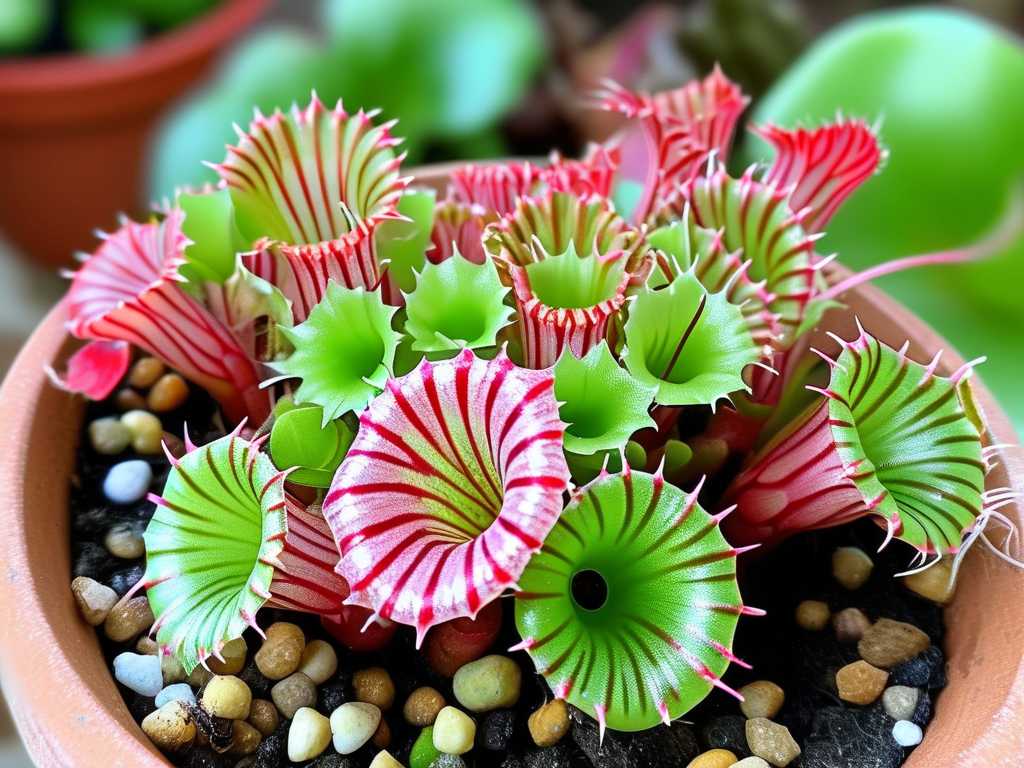
Before diving into daily care, it’s crucial to know what makes Pinguicula unique. These aren’t your typical houseplants. They are carnivorous, primarily catching fungus gnats and other small insects on their adhesive leaves. Their care pivots on mimicking their natural habitat—often nutrient-poor, moist environments. I reached out to resources from the International Carnivorous Plant Society (ICPS) and studied guidelines from experts like Dr. Barry Rice to solidify my approach. This foundational knowledge is what separates successful growers from those who see their plants slowly decline.
My 2-Week Daily Care Protocol: A Step-by-Step Journey
I chose a Pinguicula moranensis, a common but stunning variety, for this experiment. My goal was to establish a non-negotiable, quick daily routine.
The Non-Negotiables: Water and Light
My daily routine always started with these two checks, taking no more than 60 seconds.
- The Watering Ritual: The golden rule for Pinguicula care daily is water quality. Tap water is usually a death sentence due to minerals. I used only distilled, reverse osmosis (RO), or rainwater. I employed the “tray method.” My pot (with ample drainage) sat in a shallow saucer. Each morning, I’d check the saucer. If it was dry, I’d add about 1/4 inch of purified water, allowing the soil to wick it up from the bottom. This kept the medium consistently moist but not waterlogged. Top-watering can compact the soil and wet the crown, risking rot.
- Light Inspection: Pinguicula loves bright, indirect light. I placed mine on a south-east facing windowsill where it received about 6 hours of bright, filtered light. Each day, I observed the leaf color. A slight pinkish blush on the edges indicated it was happy. If the leaves turned a deep red or looked bleached, it would signal too much direct sun. During a particularly gloomy week, I supplemented with a basic LED grow light for 4 extra hours, which it responded to beautifully.
The Weekly Tasks: Feeding and Environment
While not strictly daily, these actions were part of my weekly care rhythm.
- To Feed or Not to Feed? In my sealed indoor environment, there were few insects. The ICPS notes that while Pinguicula can survive without prey, occasional feeding promotes vigor. Once a week, I’d very gently place a dried bloodworm (fish food) or a tiny fruit fly onto a leaf using tweezers. The key is minute amounts. Overfeeding is a common pitfall I learned to avoid—it can rot the leaf. Seeing the leaf slowly curl around the “prey” over 48 hours was fascinating.
- Humidity and Airflow: I kept a small hygrometer nearby. Pinguicula enjoys moderate humidity (around 50-60%). My home air was dry, so I placed its pot on a larger tray filled with pebbles and water, ensuring the pot sat above the water line. This created a local humidity boost. Good airflow is equally vital to prevent fungal issues, so I ensured it wasn’t in a stagnant corner.
The Observed Results: Growth and Traps
The daily care tips for Pinguicula yielded visible, encouraging results:
- Days 1-3: Acclimation period. No change.
- Days 4-7: Noticed a subtle increase in the dewiness of the leaves. The existing leaves looked plumper.
- Days 8-14: The most exciting phase! Two brand new, small leaves emerged from the center. The plant’s overall rosette appeared tighter and more robust. It successfully digested the small offerings I provided, with leaves returning to normal after about 5 days.
The Pitfalls I Encountered (And How I Fixed Them)
No journey is without its bumps. Here’s where I stumbled and corrected course.
- The Over-Enthusiasm Pitfall: Around day 5, thinking “more is better,” I added too much water to the tray, essentially creating a mini-swamp. By day 6, the lower leaves felt soft. I immediately dumped the tray, let the pot drain thoroughly on a rack for a day, and resumed the conservative 1/4-inch refill. The plant recovered, but I lost one older leaf. Lesson learned: Consistent moisture does not mean soggy.
- The “Helicopter Parent” Trap: I was misting the leaves lightly every other day, believing it helped with humidity. I consulted an article by a veteran grower on the Carnivorous Plant Hub forum who warned that misting can wash away the crucial digestive mucilage and doesn’t significantly raise humidity. I stopped misting and switched to the pebble tray method. The dew on the leaves became noticeably stickier and more abundant within a few days.
- The Soil Suspicion: The pre-mixed carnivorous plant soil I used seemed to retain too much water. For my next watering cycle, I repotted using a mix of 50% peat moss and 50% perlite, with a sprinkle of silica sand for drainage. This made a dramatic difference in aeration and moisture control, aligning perfectly with the Royal Horticultural Society’s (RHS) recommendation for a very open, acidic medium.
Navigating the Dormancy Phase
Some Pinguicula, like P. moranensis, have a succulent dormancy period. As my experiment was in a growth phase, I prepared by research. When growth slows and it forms tight, non-carnivorous leaves, I’ll reduce watering significantly (just keeping the soil barely damp) and move it to a cooler spot for a few months. This seasonal rest is crucial for long-term health.
Addressing Your Top Questions
- Can I use tap water if I let it sit out? No. Letting water sit evaporates chlorine but not dissolved mineral salts, which accumulate in the soil and will harm your plant. Purified water is non-negotiable for consistent butterwort plant maintenance.
- Why are the leaves not sticky anymore? The most common causes are insufficient light, water quality issues, or chemical contamination (like from fertilizer or pesticide drift). Revisit your light source and strictly audit your water. Never fertilize the soil.
- How often should I repot? Annually, at the start of the growing season, is a good rule. It refreshes the acidic, nutrient-poor medium. Use only plastic or glazed ceramic pots, as terra cotta can leach minerals.
Caring for Pinguicula is a rewarding practice in mindful, consistent attention. It’s not about daily complexity, but about mastering a few critical, simple checks—light, water, and observation. By dedicating less than a minute most days to ensure the right conditions, you’re rewarded with a fascinating plant that not only grows but actively interacts with its environment. My two-week journey turned anxiety into confidence, proving that with the right quick care tips for butterwort, anyone can succeed. Start with the basics, observe closely, and let your plant guide you.





