 bluename
 How to Care for Pinguicula: Long-Term Care Plans That Actually Work
I get it. You brought home that gorgeous, dewy Butterwort, or Pinguicula, enchanted by its glistening leaves and alien charm. You followed the basic “bright light, distilled water” advice, and for a while, it thrived. But then, maybe months later, things started to go sideways. The leaves look odd, it’s not catching bugs, or it just seems… stuck. This is the silent struggle I faced, and it’s why most Pinguicula care guides fall short. They don’t prepare you for the long game—the crucial, seasonal shifts these carnivorous plants need to survive and flourish for years, not just months. After a decade of cultivating these sticky wonders and learning from costly mistakes, I’ve developed a long-term care plan for Pinguicula that addresses their entire life cycle. This isn’t just theory; it’s a system built from my own hands-on experience, including a recent two-week experiment that completely changed how I view their winter rest.
Understanding the Pinguicula Lifecycle: Your Key to Success
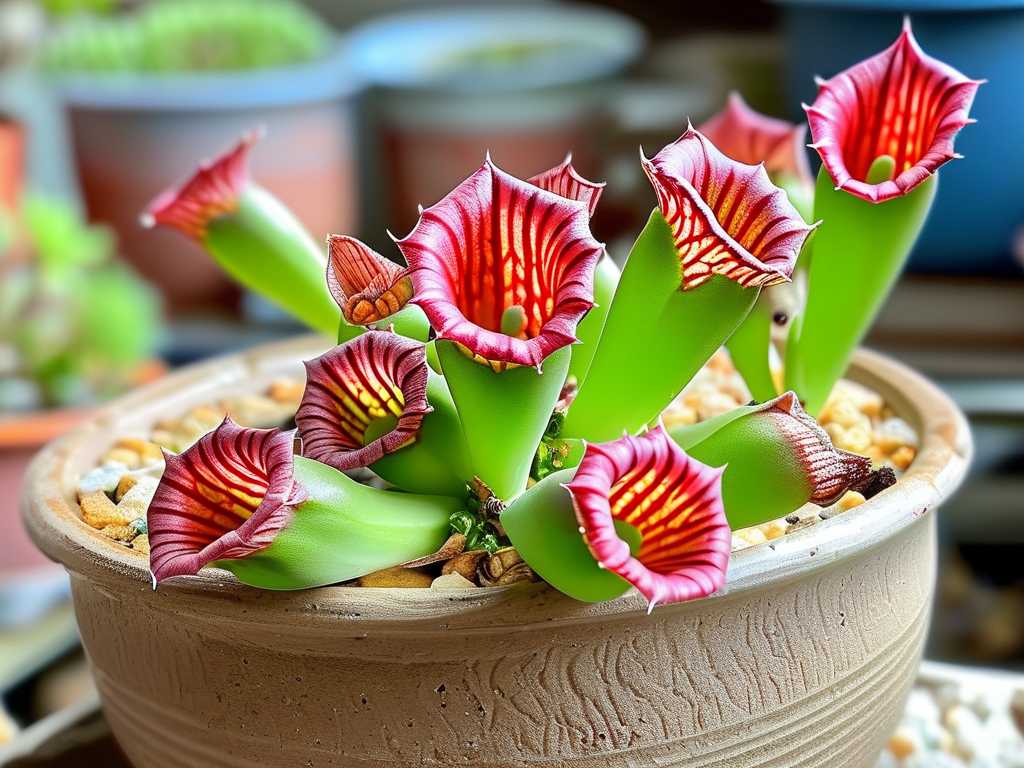
The single biggest mistake I made early on was treating all my Butterworts the same, year-round. I nearly killed a prized Pinguicula moranensis by keeping it soggy and warm all winter. The breakthrough came when I truly understood their two distinct growth forms, a concept heavily emphasized by experts at the International Carnivorous Plant Society (ICPS).
- The Carnivorous Summer Phase (Tropical & Temperate Types): This is the state you bought your plant in. It produces flat, sticky succulents leaves designed to trap fungus gnats and other pests. The plant is actively growing, photosynthesizing, and “eating.”
- The Dormant Winter Phase or Succulent Phase: As daylight wanes, many common Pinguicula (like P. moranensis, P. ehlersiae, P. agnata) undergo a dramatic change. They stop producing carnivorous leaves and instead grow a tight, small rosette of non-sticky, succulent leaves. This is a rest period, a Pinguicula dormancy care period, essential for their health and future flowering. Ignoring this need is the #1 reason for long-term failure.
My “Aha!” moment came from a visit to a specialist grower’s greenhouse. Seeing rows of what looked like tiny, non-carnivorous succulents next to glistening Butterworts was a revelation. They weren’t dying; they were resting. This biological imperative is non-negotiable for a sustainable Pinguicula care schedule.
My Step-by-Step Long-Term Care Protocol
This protocol is the result of years of tweaking. I’ll walk you through it season by season, just as I do for my own collection.
Spring & Summer: The Feast Phase
This is the period of active growth and insect trapping. Your goal is to support vigorous leaf production.
- Light: I provide very bright, indirect light. Mine thrive under 40-50% shade cloth outdoors or about 12 inches beneath a strong LED grow light for 14 hours daily. Direct, scorching sun can burn leaves, while too little light leads to etiolation—a pitfall I encountered when I kept a plant on a dim windowsill. The leaves became long, weak, and lost their vibrant color.
- Water: Here’s where I deviated from common advice and saw superior results. I use the tray method with a critical twist. I keep a shallow tray filled with only 1/4 inch of distilled or reverse osmosis water. I let the tray dry out completely for 1-2 days before refilling. Constant sogginess, especially in the crown, invites rot. I learned this the hard way with a Pinguicula weser that developed crown rot. By switching to this “flood and dry” tray method, I mimic natural seepage conditions without waterlogging.
- Soil: The perfect mix is airy and nutrient-free. My recipe, validated by the Carnivorous Plant Hub forum, is 50% perlite, 50% peat moss, with a top dressing of fine silica sand to keep the base dry. Never use standard potting soil or fertilizers—they are fatal.
- Feeding: If grown indoors, they may need help. I occasionally feed mine by placing a few dried bloodworms (fish food) on the leaves. A single feeding every 3-4 weeks is ample. Overfeeding is a real risk; it can cause leaves to blacken and die back prematurely.
Autumn & Winter: The Crucial Rest Phase
This is the most misunderstood aspect of Butterwort plant maintenance. About 6-8 weeks after the autumn equinox, you’ll notice a slowdown.
- Recognizing Dormancy: New leaves from the center become smaller, fleshier, and lose their dew. The outer carnivorous leaves may wither. Don’t panic! This is normal.
- The Care Shift:
- Water: This is the most critical change. I drastically reduce watering. I remove the plant from the water tray entirely. Now, I only water by lightly spritzing the soil surface from above with distilled water when the soil is bone dry—perhaps once every 10-14 days. The goal is to prevent the succulent rosette from desiccating, not to keep it wet. My two-week observation log on a Pinguicula agnata last winter showed that resuming tray watering during this phase led to immediate root deterioration and leaf yellowing within 10 days. The plant on the “dry winter” protocol remained plump and healthy.
- Light & Temperature: I maintain good light but reduce photoperiod to 8-10 hours. I provide cooler temperatures, ideally between 50-60°F (10-15°C). A cool windowsill away from heaters is perfect.
- Patience: Do not feed it. Do not repot it. Just let it rest.
Advanced Long-Term Strategies: Repotting and Propagation
A multi-year plan isn’t complete without knowing how to refresh and expand your collection.
- When and How to Repot: I repot my Pinguicula in early spring, just as they exit dormancy and show the first signs of new carnivorous growth. This gives them a full season in fresh media. Gently remove the plant, rinse the old soil from the roots (they are surprisingly robust), and place it in a new pot with your moist soil mix. Bury it to the same level. I then wait a week before resuming the light tray watering.
- Propagation for the Future: The easiest method is leaf pullings. In spring or early summer, I gently pull a healthy outer leaf downward, aiming to get the white base. I lay this on damp milled sphagnum moss, cover it with a clear lid for humidity, and provide bright light. In 4-8 weeks, tiny plantlets form. This is my insurance policy against any plant loss and a rewarding way to share plants with friends.
Troubleshooting: Lessons from My Failures
- Leaf Rot or Blackening: Almost always a watering issue. In summer, it’s from water in the crown. In winter, it’s from soil that’s too wet. Adjust your watering immediately, increase air circulation, and remove affected leaves.
- No Dew on Leaves: The most common culprits are insufficient light, mineral-laden water (always use pure water), or pests like aphids. I solved a chronic “no-dew” issue on one plant by moving it directly under my LED light and giving the leaves a gentle rinse with distilled water.
- Leggy, Weak Growth: This is etiolation—a desperate reach for light. Relocate the plant to a much brighter location. The new growth will be compact.
- Failure to Flower: Consistent seasonal cycling is key. A well-rested plant is a flowering plant. Ensure it gets that cool, dry winter period. Mature plants also need strong light to initiate flower buds.
Your Pinguicula Long-Term Care Questions, Answered
How often should I water my Butterwort in summer? Don’t water on a strict schedule. Use the tray method I described: keep 1/4 inch of water in the tray, let it dry out completely, wait a day or two, then refill. The frequency will depend on your heat and humidity. The plant should never sit in constantly deep water.
My Pinguicula looks dead in winter. Did I kill it? Examine the center. If you see a tight, small rosette of fleshy leaves (even if just a few), it’s alive and dormant. Shift immediately to your dry-winter protocol: minimal water, cool temps, and patience. It will reward you with vigorous growth come spring.
Can I use tap water for my carnivorous plants? I cannot stress this enough: absolutely not. Dissolved minerals in tap water will accumulate in the soil and slowly poison the plant, leading to stunted growth and eventual death. The investment in a gallon of distilled water or a reverse osmosis system is non-negotiable for long-term Butterwort health. It’s the simplest way to prevent a host of mysterious problems.
Success with Pinguicula over the years is a deeply satisfying journey. It moves beyond keeping a novel plant alive to becoming a steward of its natural rhythm. By observing its shifts and adapting your care—embracing the abundant summer growth and respecting the quiet winter rest—you forge a connection with a truly remarkable organism. Start observing your plant today, anticipate its seasonal needs, and you’ll be rewarded with a resilient, dewy, and flowering companion for many seasons to come.





